
Ever notice bees acting more aggressive out of nowhere? Most of the time, they’re just feeling threatened or stressed out. Bees get aggressive mainly to protect their hive, especially when the colony gets bigger or the seasons start to shift.
Things like sudden weather changes or even disturbances nearby can set them on edge.
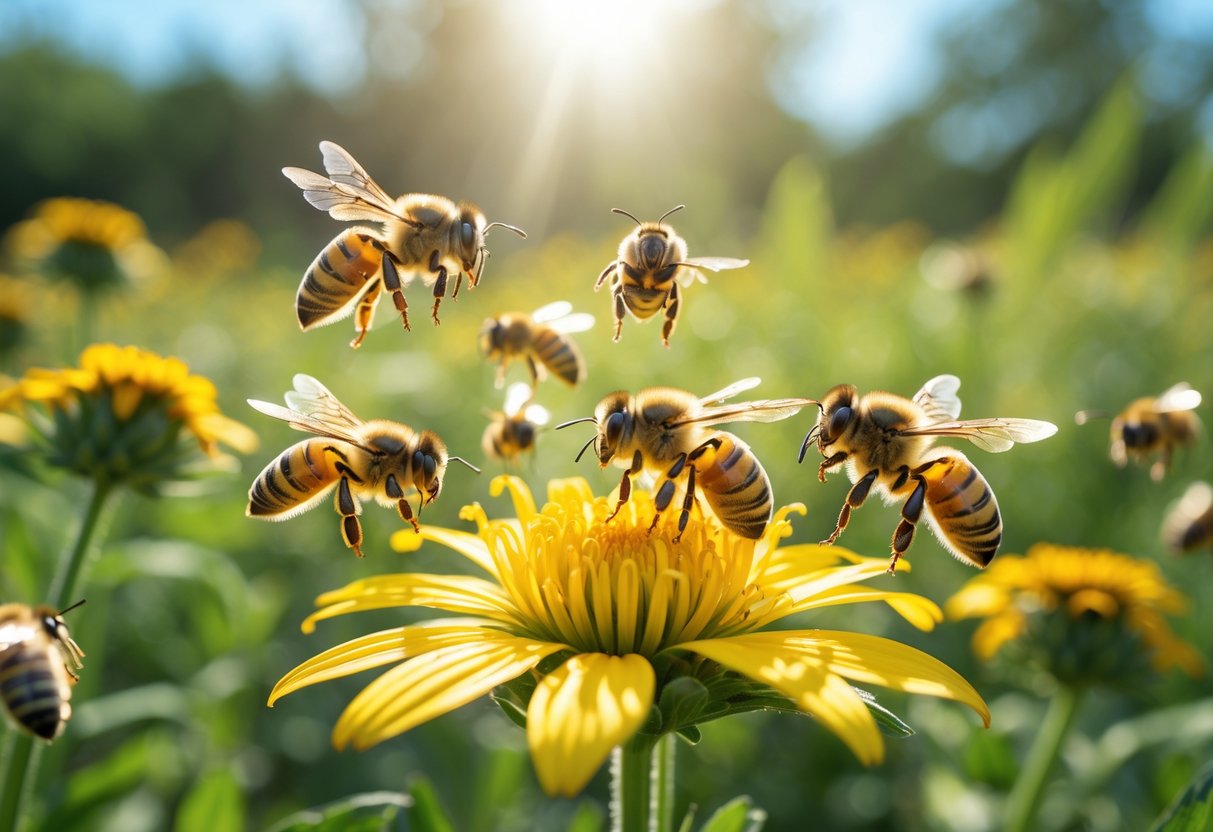
You’ll probably see more cranky bee behavior in late summer and early fall. That’s when bees are nearing the end of their life cycle, and their instincts to defend the hive really kick in.
If you figure out why bees suddenly act up, you can avoid trouble and even help calm them down.
There are signs you can watch for, and a few tricks to keep from making them angrier than they already are.
Primary Reasons for Sudden Bee Aggression

When bees start acting aggressive, something’s usually changed inside the colony or around it. You might see them get defensive because of their genetics, weird weather, or even food shortages.
Genetic Factors and Colony Temperament
The genetics of your honey bee colony shape how chill or feisty they are. Some bees just come from lines that are more defensive. If your hive has roots in aggressive strains, they’ll react fast to anything that feels like a threat.
The queen’s genetics matter too. A calm queen can mellow out the whole hive. But if she’s from an aggressive line, expect the bees to show more stinging and defensive moves.
These traits pass down through the hive. If you know your bees’ genetics, you can manage or at least anticipate their moods.
Environmental Stressors and Weather Changes
Weather swings can make bees grumpy. High humidity or a sudden cold snap stresses them out, and they’ll get defensive fast.
Any disturbance—loud noises, vibrations, or even a lawnmower too close—jacks up their alertness. When bees sense a threat, they rush to protect the colony.
Pay attention to the conditions around your hive. Rain, wind, or a heat wave can make things worse. If you keep their environment stable, you’ll probably see less aggression.
Nectar Dearth and Resource Competition
When nectar runs low, bees face a nectar dearth, and that’s a big trigger for aggression. Not enough food makes them guard what little they have.
This usually happens when the seasons shift and flowers stop blooming. The whole colony has to fight harder for every drop.
Competition, whether it’s inside the hive or with other colonies, leads to more stings as bees try to protect their stash. Late summer and early fall are when you’ll notice this most.
If you spot the signs of a nectar dearth, you’ll get why your bees are suddenly on edge. You can step in and help before things get out of hand. For more on how nectar shortages mess with bee behavior, check out why bees suddenly become aggressive.
Bee Communication and Triggers for Aggressive Behavior

When bees get aggressive, they send out clear signals and chemical alerts to each other. Things like theft attempts, queen problems, or even sickness in the hive can set these signals off.
If you get what triggers them, you’re less likely to panic—and you’ll stay safer around your bees.
Alarm Pheromones and Bee Signaling
Bees release alarm pheromones when they feel threatened. These chemicals work like a warning siren for other bees.
After one bee stings or senses danger, she spreads this scent, and suddenly the whole group’s on high alert.
You might hear louder buzzing, see them flying faster, or notice bees tailing you if alarm pheromones are out. That’s their way of yelling “danger!” to the colony.
These signals can make the entire hive defensive, and that’s when stings happen.
Robbing Behavior and Hive Disturbance
Sometimes bees from one hive try to swipe honey from another hive. That’s robbing behavior.
Robbing makes bees extra aggressive—they’re defending their food, after all.
Open a hive at the wrong time, or spill honey outside, and you might attract robbers. The bees will get hostile to drive them off.
Fighting can break out and spread aggression through the hive and even to nearby colonies. Suddenly, your bees are way harder to handle.
Queenlessness and Colony Disruption
Bees need a queen to feel stable. If she dies or goes missing, the hive freaks out. This is called queenlessness.
Without a queen, bees lose their sense of order. They might fight over who’s in charge or get defensive to protect what’s left of the colony.
If you check your hive regularly and make sure there’s a healthy queen, you’ll avoid a lot of this aggressive behavior.
Disease, Parasites, and Varroa Mite Infestation
Illness and pests can really make bees more aggressive. The Varroa mite infestation stands out as a huge problem.
These mites feed directly on bees, weakening them and spreading disease. When bees feel stressed or sick, they get more defensive since their hive’s at risk.
If mites or other diseases show up, you’ll probably notice more stings and some pretty wild behavior. Keeping your hive as clean as possible and treating for mites can help dial down aggression linked to health issues.


