
Getting stung by a bee hurts, no doubt about it. But how can you tell if it’s actually serious?
A bee sting gets serious if you notice swelling that spreads well past the sting, trouble breathing, dizziness, or hives. These signs suggest your body’s having a strong allergic reaction, and you’ll need medical help fast.
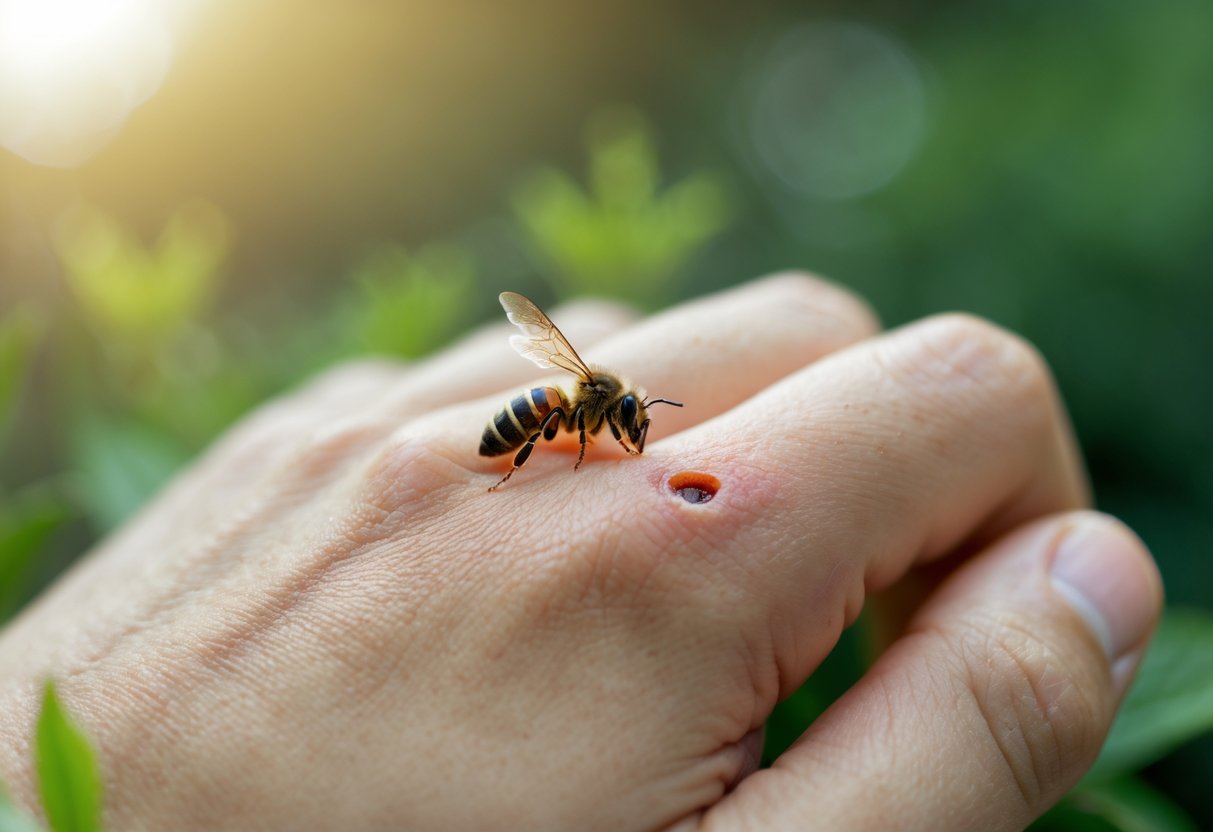
Most of the time, bee stings just cause pain, some redness, maybe a bit of swelling. But sometimes, things can take a turn and get dangerous.
It’s good to know what to watch for so you can act quickly if something feels off.
If you’re curious about how to spot the difference and keep yourself safe, let’s dig in.
Recognizing When a Bee Sting Is Serious

When a bee or another stinging insect like a yellow jacket gets you, your body usually reacts with pain, swelling, or redness. But sometimes, the reaction can be a lot more intense.
Knowing the warning signs helps you figure out if you need to get help right away.
Types of Reactions: Mild, Moderate, and Severe
Bee sting reactions come in all flavors, from mild to severe. A mild reaction gives you some pain, a small red bump, and a bit of swelling at the sting. That usually clears up in a few hours or days.
A moderate reaction causes swelling and redness that spreads out from the sting, and you might get itching or even some blistering. This can last a few days, but it’s not typically dangerous.
A severe reaction means your body’s freaking out a bit. You might see intense swelling, hives, trouble breathing, or weakness. If you notice these, you really need medical care—don’t wait around.
Symptoms of a Serious Bee Sting Reaction
Serious reactions go way beyond pain and swelling. Here’s what you might notice:
- Large areas of redness or warmth around the sting
- Intense itching or even blistering
- Fever, nausea, or vomiting
- Feeling lightheaded or dizzy
If your symptoms keep getting worse hours after the sting, or you have trouble swallowing or your throat feels tight, it’s time to take action.
Anaphylaxis and Life-Threatening Signs
Anaphylaxis is a scary, severe allergic reaction that can hit fast after a bee sting. Watch out for:
- Trouble breathing or wheezing
- Swelling of your face, lips, tongue, or throat
- Rapid heartbeat or fainting
- Feeling confused or just having a bad sense something’s wrong
If you see these signs in yourself or someone else, call 911 right away. Using an epinephrine injector (EpiPen) can literally save a life.
Multiple Stings and Additional Risk Factors
Getting stung a bunch of times cranks up the risk for a bad reaction. Multiple stings from bees, wasps, hornets, or yellow jackets dump more venom into your system.
That can mean more pain, more swelling, and it can overwhelm your body.
Some folks are at higher risk for serious symptoms, especially if they have:
- A known bee sting allergy or a history of allergic reactions
- Asthma or other breathing issues
- Weak immune systems
If you’re in one of these groups and you get stung, keep an eye on yourself and get help if anything feels off.
You can find more details about warning signs at how to recognize serious bee sting reactions.
What to Do If a Bee Sting Becomes Serious

If a bee sting triggers serious symptoms, you’ve got to move quickly. Emergency help or medicine may be necessary to stop things from getting worse.
Knowing what to do can make all the difference.
Immediate Actions and Emergency Response
If you start having trouble breathing, swelling that spreads, dizziness, or hives, call 911 or get to an emergency room right away. These could mean you’re having anaphylaxis—a dangerous allergic reaction.
While you wait for help, try to stay calm and as still as possible. Remove the stinger fast by scraping it with a fingernail or the edge of a card.
Don’t use tweezers, since squeezing can push out more venom.
If you start feeling weak or confused, lying down with your legs up might help a bit.
Watch for symptoms that can pop up right away or even 30 minutes after the sting. If swelling gets worse or you can’t swallow, don’t wait—get emergency care.
Epinephrine and Medical Treatment
If you know you’re allergic to bee stings, always keep your epinephrine auto-injector (EpiPen) nearby. At the first sign of a serious reaction, use it.
Epinephrine works by relaxing your airway muscles and tightening blood vessels, which helps you breathe and reduces swelling.
After using epinephrine, head to the emergency room. Medical staff need to monitor you, since symptoms can come back or last longer than the shot.
Sometimes, they’ll give you extra meds like antihistamines or steroids to help with inflammation.
Don’t hesitate to use your EpiPen if you need it. Waiting can make things worse. It’s also smart to show people close to you how to use your injector—they might need to jump in and help if you can’t.
Allergy Testing and Prevention Strategies
If you’ve had a serious reaction to a bee sting, it’s really important to see an allergist. They’ll run allergy tests to figure out if you’re actually sensitive to bee venom.
Knowing this helps you understand your risk and what you should do next. If the test comes back positive, your allergist might recommend allergy shots or immunotherapy.
These treatments slowly teach your immune system to handle bee venom better. Over time, you’re less likely to have a severe reaction.
It’s a good idea to wear a medical alert bracelet that lists your allergy. Try to avoid bee stings by steering clear of flowers, nests, and those bright-colored clothes that seem to attract bees.
Always carry your epinephrine device, just in case. And don’t forget to let your friends or coworkers know about your allergy and what to do if something happens.


