
When a bee lands on you, it’s totally normal to get a little nervous about being stung. But honestly, most bees won’t sting just because they landed on you. They usually stay calm and only sting if they feel threatened or if you hurt them.
If you know this, you’ll probably find it easier to relax and avoid an unpleasant situation.

Bees often land on people because something about your scent or your clothes catches their attention. They’re not out to attack; they’re just curious, really.
Once you get why bees act this way, you might find your next bee encounter less scary. You might even learn how to handle it safely.
You’ll get the basics on why bees land on people, how to stay calm, and what to do if it happens. Hopefully, this helps you enjoy being outdoors without stressing about bee stings.
Will a Bee Sting If It Lands on You?
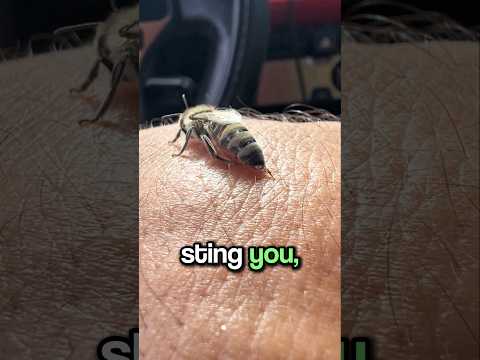
When a bee lands on your skin, it usually doesn’t have any intention of hurting you. Bees get curious or attracted by scents, not because they want to sting.
Still, there are some signs and situations that can make a sting more likely.
Why Bees Land on People
Bees land on people mostly because they’re curious or because something about you interests them. Maybe it’s your scent, your sweat, or even your perfume or lotion.
Honey bees and bumble bees love pollinating, so they react to floral or sweet smells.
Male bees can’t sting, so if one lands, you don’t need to worry. Carpenter bees and honey bees might check you out for a second, but they won’t attack unless they feel threatened.
So, when a bee lands, it’s usually just exploring or taking a break—not plotting to sting you.
Typical Bee Behavior When Landing
If a bee lands on you, it’ll usually just sit still or move slowly. Honey bees and bumble bees often touch down gently to collect scents or look for nectar.
Bees don’t sting right away because stinging can kill them.
They’ll only sting if they feel like they have to defend themselves, and they usually give warnings first—like buzzing loudly or raising their wings.
If you stay calm and still, the bee will probably leave on its own. Swatting or sudden moves can freak it out and make a sting more likely.
Signs a Bee Might Sting
You can spot if a bee might sting if it starts acting aggressive or buzzing loudly near your skin. Honey bees sometimes raise their abdomen to warn you before they sting.
If the bee gets trapped or pressed against your skin, it might sting to protect itself.
If a bunch of bees gather around you, they might be defending a nest. But if just one bee is chilling on you, it probably won’t sting.
Paying attention to how the bee acts can help you avoid getting stung.
What Increases the Risk of Being Stung
You’re more likely to get stung if you swat at or grab the bee. Quick movements make bees feel threatened, so they might sting to defend themselves.
Wearing bright colors, floral prints, or strong scents can attract bees like honey bees and bumble bees.
If you mess with a bee nest, the risk goes way up. Carpenter bees and honey bees get defensive if they think their home is in danger.
To lower your chances: stay calm, move slowly, skip strong perfumes, and steer clear of flowers or nests if you can.
What To Do and How to Stay Safe Around Bees
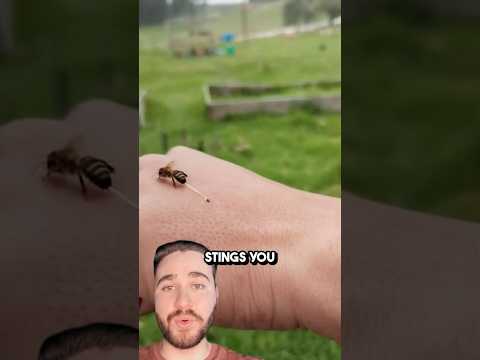
If a bee lands on you, staying calm is honestly the best thing you can do. Moving slowly and knowing how to gently get the bee off you can help you avoid a sting.
It’s also good to know what a serious allergic reaction looks like, just in case.
Immediate Actions If a Bee Lands on You
If a bee lands on you, try not to freak out. Swatting or sudden moves make the bee feel threatened and more likely to sting.
Just stay as still as you can.
Taking a slow breath can help you relax. Sometimes the bee just wants a rest or it’s looking for moisture from your sweat.
If you want to avoid attracting bees in the future, skip strong scents or super bright clothes.
If the bee hangs out for a while, gently brush it off with a soft motion. Don’t crush the bee—doing that can release alarm pheromones and bring more bees your way.
How to Safely Remove a Bee Without Getting Stung
To get a bee to leave, use a piece of paper or gently blow on it so it flies away. Move slowly and avoid sudden gestures.
Never swat or grab the bee with your hands. Swatting just makes the bee angry and ups your chances of a sting.
If the bee is on your skin, try brushing it off with a soft cloth or just your hand, moving away from your body. After the bee leaves, calmly walk away from the area to avoid more contact.
Recognizing Severe Allergic Reactions and When to Seek Help
Some people react badly to insect stings—bees, wasps, or yellow jackets can all cause trouble. You should watch out for serious symptoms like swelling in the face or throat, trouble breathing, dizziness, or a racing heartbeat.
If you notice any of these signs in yourself or someone nearby, don’t wait—call emergency services right away. Grab an epipen if there’s one on hand and it’s prescribed for the person.
You can usually handle mild reactions like redness or a bit of swelling at home. But when things get severe, you need urgent medical help, since it could turn into anaphylaxis—a dangerous emergency.


