
Thinking about keeping bees in your garden? Before you dive in, you’ll want to know the rules.
Most places don’t make you get a special permit just to have a beehive, but you’ll usually need to follow some local regulations to keep things safe and neighbor-friendly. These rules can shift a lot depending on where you live, so honestly, it’s worth checking your city or state guidelines first.
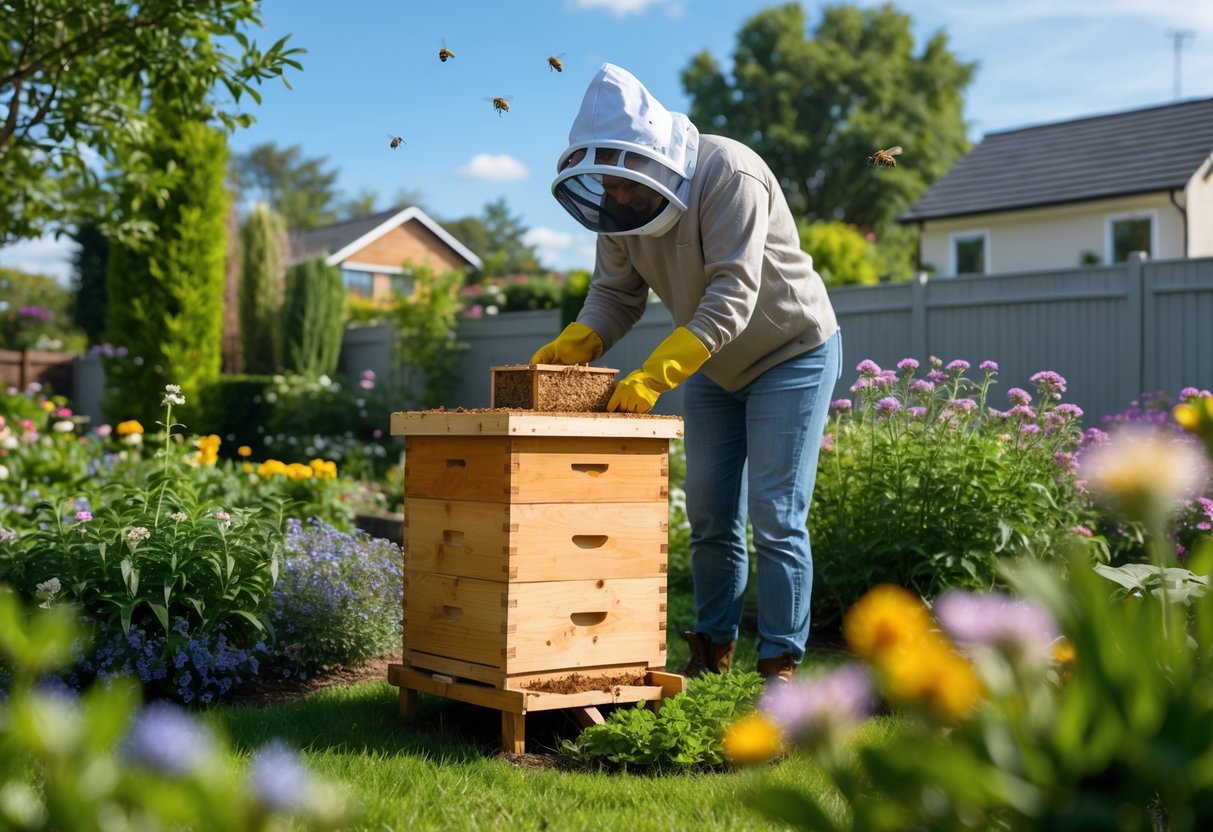
Beekeeping can really boost your garden and give you a rewarding hobby, but it does come with some responsibilities.
You might need to register your hives or meet some basic requirements to keep your bees healthy and avoid issues with neighbors.
Knowing these basics up front will make your beekeeping journey a lot smoother. If you want more details about common rules and permits, you can look up what it takes to keep bees legally in your yard.
Permission and Legal Requirements for Keeping Bees
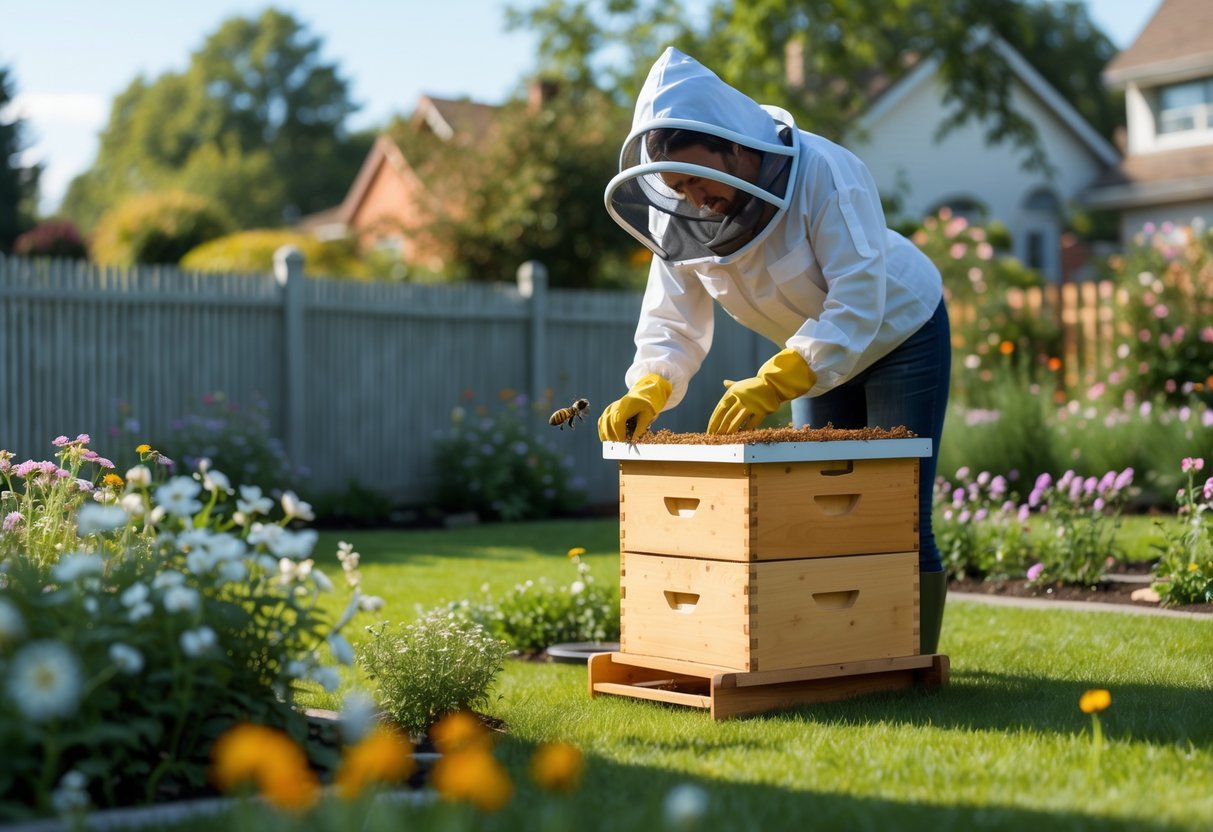
If you want to keep bees in your garden, you’ll need to follow rules set by your city or state.
These usually cover where you can put your hives, registration, and how to handle things like bee diseases or complaints from neighbors.
Local Beekeeping Laws and Ordinances
Local laws about beekeeping can be all over the place. Many cities let you keep bees, but they might require setbacks—basically, your hives need to be a certain distance from property lines, sidewalks, or your neighbor’s house.
That’s mostly to keep the peace.
You might also see rules about hive density—so, how many hives you can keep on your property—and how you need to handle bee diseases like American foulbrood, which is a nasty infection.
These laws aim to protect both bee health and public safety.
Go ahead and check with your city’s planning or code enforcement office. They’re the ones who enforce local beekeeping laws and can fill you in on any zoning restrictions or quirky local rules.
Permit and Registration Process
Some places skip permits, but a lot of states want you to register your hives with the department of agriculture or a similar agency.
This helps track colonies and control diseases.
To register, you usually give your contact info, hive location, and number of hives. Some areas might want an inspection or proof that you know your way around basic bee care.
If you do need a permit, it’s usually a small fee and comes with rules about where to put hives and how to maintain them.
That just keeps everyone, including your bees, a bit safer and on the right side of the law.
Role of Homeowner Associations
If you live in a neighborhood with a homeowner association (HOA), definitely check their rules before you start.
HOAs sometimes have stricter guidelines than the city does.
They might limit the number of hives, control how your hives look, or say exactly where you can put them.
Sometimes, you’ll need HOA approval before you even set up your hives.
Following HOA rules can save you headaches and keep things friendly with your neighbors.
Consequences of Non-Compliance
If you ignore beekeeping laws, you could get fined or have to remove your hives.
Code enforcement officers might show up if someone complains.
If you don’t control diseases like American foulbrood, they might even destroy your hives to protect other local beekeepers.
Not following the rules can hurt your bees, your neighbors, and the environment. So, it’s just better to stay legal and keep everyone happy.
If you want to dig deeper into local rules, check out resources like LegalClarity on beekeeping permits and guides about local beekeeping laws.
Practical Aspects and Preparation for Beekeeping in Your Garden

Starting your own beehive means thinking about where to put it, what tools you’ll need, and how to keep things cool with your neighbors.
These steps make caring for your bees a lot easier—and honestly, more fun.
Hive Placement and Safety Tips
Pick a spot that gets morning sun and afternoon shade. That keeps your bees comfortable.
Set your hive on a flat, sturdy surface—something like a wooden pallet or concrete blocks works well.
Try to face the hive away from busy areas or paths, so people don’t accidentally disturb your bees.
A flyway barrier, like a fence or tall plants, helps guide bees up and over people’s heads. That’s just safer for everyone.
Keep the flight path clear of obstacles like fences or thick shrubs within about 10 feet of the hive.
Make sure there’s water nearby, but not so close that the hive might get flooded.
Equipment Needed for Beginners
You’ll need some basic gear to get started. A bee suit with a veil protects you from stings when you’re checking the hive.
Gloves add another layer of safety, though they can make it harder to feel what you’re doing.
A bee brush lets you gently move bees off the frames without hurting them. You’ll want a smoker, too—it calms the bees by masking their alarm signals during checks.
Start with one or two hives, and keep your tools clean to help prevent disease.
Honestly, taking a beekeeping course before you get your first hive is a smart move. You’ll pick up good habits and know how to manage your equipment from day one.
Neighbor Relations and Communication
Chatting with your neighbors before you set up beehives can save you a lot of trouble down the road. Let them know how bees help pollinate their gardens and reassure them that you’ll keep the hive tucked away from busy paths.
You might want to offer some honey as a friendly gesture—it goes a long way. If someone brings up allergies or worries, try to work together to place your hive so bees fly away from homes or play areas.
Make sure you follow local rules about where you can put your hive. When you keep things clear and friendly, your neighbors will probably see your backyard bees as a good thing for everyone.


