
So, you’ve spotted a bee’s nest in the ground on your property somewhere in the UK—understandably, you probably want it gone, and fast, but without causing harm. Honestly, the best way to deal with a ground bee nest is to nudge the bees out gently, using natural methods like flooding the nest with water or piling on mulch to make the spot less attractive. Skip the harsh chemicals—bees are crucial pollinators, and it’s worth protecting them if you can.

You might try homemade repellents—some folks swear by garlic or cayenne pepper mixtures—to keep bees from hanging around. If the nest is really causing trouble, you can call a specialist beekeeper or pest controller. They know how to relocate or remove the nest safely and won’t harm the bees if they can help it.
It helps to figure out what kind of bees you’re dealing with before you decide what to do. That way, you can pick the safest and most effective method.
Managing ground bees on your lawn doesn’t have to be a nightmare. If you know a few simple tricks, you can keep your yard safe and still give these helpful insects a break. Curious how? Keep reading for easy, practical tips to balance safety and respect for bees. For even more details, check out how to get rid of ground nesting bees in the UK.
How To Get Rid Of A Bees Nest In The Ground In The UK

When you’re dealing with a bee nest in the ground, start by figuring out what kind of bees you have. Once you know, you can decide how to safely move or deter them.
Acting at the right time and taking proper safety steps will help protect both you and the bees. Sometimes, it just makes sense to call in a pro.
Identifying Ground Bees And Their Nests
Ground bees include mining bees, solitary bees, and sometimes bumblebees. You’ll usually notice small holes or nests in dry soil, especially in lawns or garden beds.
These nests look like little round openings, about a centimeter wide. Bumblebees and honey bees don’t often nest underground in the UK, but some solitary bees and mining bees definitely do.
The bees you spot might be gentle and not interested in stinging anyone. Still, it’s good to know what you’re dealing with before you try to move them.
Watch for bees flying close to the ground near these holes. If they’re mining or solitary bees, you’ll probably just see one or two at a time. Bumblebees are bigger and fuzzier, while honey bees tend to stick near hives, not ground nests.
Safety Precautions And Timing
Before you do anything, make sure you’re safe. Put on protective clothes—long sleeves, gloves, maybe even a hat.
Skip bright colors and strong perfumes; bees seem to like those. The best time to tackle a nest is in the late evening or early morning, when bees are less active.
Never mess with a nest on windy or rainy days. Many ground bees won’t bother you, and they help with pollination, so try to stay calm and move slowly.
If anyone nearby has a bee sting allergy, it’s probably best to call pest control instead of going the DIY route.
Appropriate DIY Methods For Bee-Friendly Removal
If you want to move ground bees without hurting them, start by watering the soil around their nest. Wet soil isn’t great for nesting, so they’ll usually leave.
You can also cover the holes with mulch, stones, or bricks. This makes it hard for bees to come back.
Planting garlic or other strong-smelling plants near the nest might keep bees away naturally. Avoid chemical sprays—they can kill helpful bees that your garden actually needs.
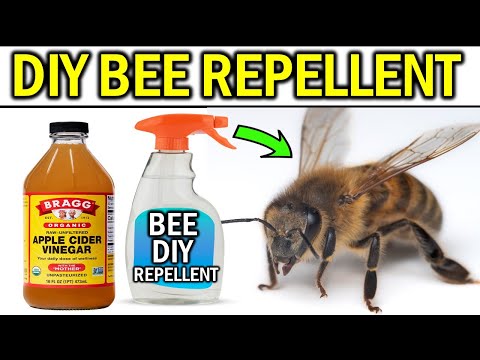
Try spraying a mix of cayenne pepper and soapy water around the nest. It’s a gentle way to let the bees know they’re not welcome.
If you find a live honeybee nest, don’t try to move it yourself. Call an expert—honey bees are protected and way too important to risk.
When To Seek Professional Pest Control Help
If you run into a big or angry honey bee colony underground, or the nest is in a spot where people walk a lot, call professional pest control. They have the gear and know-how to do it right.
Pros can handle nests that are tricky to reach or just really large. They’ll often remove honeycomb and move bees without killing them.
If you or anyone in your home has a bee allergy or had a bad reaction before, don’t risk it—let a beekeeper or pest controller handle things. They’ll keep everyone safer and usually save the bees too.
For more in-depth advice or to find help, check out resources like this UK bee nest removal guide.
Ground Bee Behaviour, Prevention, And UK Considerations
Ground bees like to nest in dry, bare patches of soil or spots with short grass. They seem to prefer sunny areas where digging is easy.
Knowing which bees you might find—and how they help pollinate—makes it easier to decide how to handle them without overreacting.
You can stop these bees from coming back by making your garden less inviting, and you don’t have to hurt them to do it.
Common Ground Bee Species In The UK
In the UK, mining bees are the most common ground nesters. They live alone underground and dig little tunnels in bare or lightly covered soil to lay eggs.
You won’t see colonies like with honey bees or bumblebees. Bumblebees usually nest above ground, but some types use old mouse holes or thick grass.
Honey bees almost never nest in the ground, but it’s not impossible. Ground bees hardly ever sting, unless you bother them—especially the females.
Male ground bees can act tough, but they don’t even have stingers.
Importance Of Bees As Pollinators
Bees—including ground bees—are essential for pollinating your garden plants and crops. Solitary bees like mining bees do a great job because they visit tons of flowers while gathering pollen for their young.
Bumblebees work even when it’s cool or cloudy, times when other bees stay home. Honey bees are famous for pollination but usually depend on human-managed hives.
If you get rid of all the bees, your plants and garden could suffer. It’s worth finding a balance between keeping your space safe and letting bees do their important work.
Preventing Ground Bees From Returning
You can keep ground bee nests at bay by making the soil moist and dense. Watering those dry patches makes it a lot less tempting for bees to dig in.
Bare spots in your yard? Bees love those. Planting grass or some ground cover blocks off their favorite nesting areas.
Skip the harsh pesticides—they hurt bees more than help your garden. Instead, try mixing cayenne pepper with water and spray it right at the nest entrances. That usually sends them packing.
If nests put people at risk or start damaging things, just reach out to a professional pest control team who really gets how to handle bees safely in the UK.
For more info on ground bees and practical ways to deal with them, take a look at Ground Nesting Bees and Wasps: Pest Control Tips & Identification.


