
Ever wondered if bees can actually sense sadness? It’s a strange thought, right? Bees don’t experience sadness quite like humans, but they definitely show stress and mood changes that shape their behavior and decisions.
When something goes wrong for a bee, you might see it act more cautious or less willing to take risks. It’s almost like these little guys get the blues, in their own way.
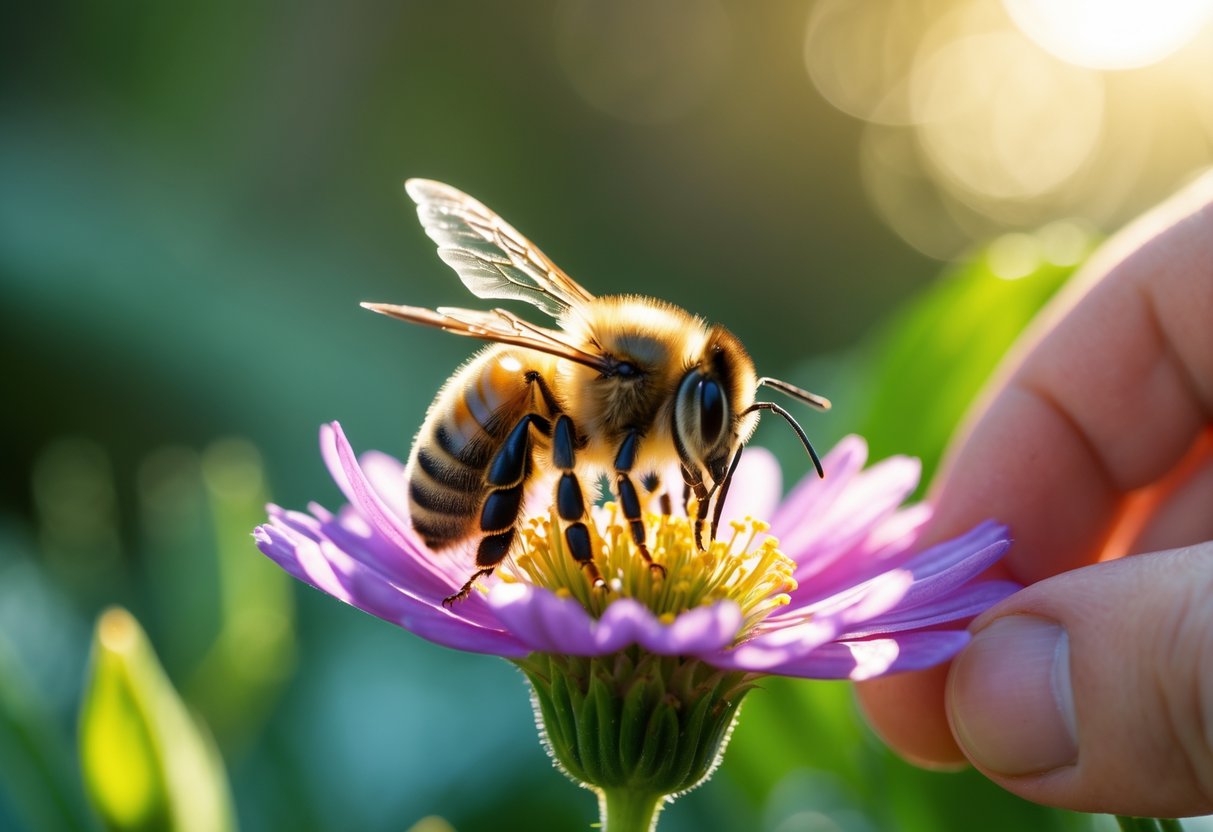
The idea that bees have emotion-like states might sound wild, but scientists have found some pretty convincing evidence. After scary experiences, bees act more pessimistic. But give them a treat, and they perk up. This really makes you look at bees as more than just little pollen machines.
If you always thought bees just buzzed around, think again. Their reactions to what’s happening around them hint at a hidden emotional world. Surprising, isn’t it?
Can Bees Sense Sadness? Research and Evidence
Bees clearly react to stress and negative experiences. You can see these responses in their choices, their food preferences, and how they deal with their environment.
Their brains use chemicals like dopamine and serotonin to handle these changes. That’s a big clue that bees can have mood shifts.
Emotional Responses in Bees
Bees don’t feel emotions exactly like we do. Still, they show emotion-like responses when things get tough.
After a bad event, bumblebees act more carefully. You might spot them making safer choices or avoiding anything risky.
These changes hint that bees feel “uneasy” at times. Scientists take this as a sign of some sentience. Even with tiny brains, bees pick up on threats and stress, and it changes how they act.
Judgment Bias and Stress in Bees
Stress makes bees more negative in their decisions. When they’re stressed, bees expect less reward—like skipping out on a sugary treat.
This is called judgment bias. After a bad experience, bees look at the world more pessimistically.
If you bother a bee, it might pick a less tasty or less safe option. That shift shows bees don’t just act on instinct—they change their expectations, almost like us when we feel down or worried.
Newcastle University’s research backs this up. Stress really does change how bees behave.
Neurotransmitters and Mood Regulation
Your mood depends on brain chemicals, and bees work the same way. Dopamine and serotonin help control bee mood and actions.
When these chemicals drop, bees get less motivated or more cautious. Inside the bee brain, these chemicals shape how bees react to the world.
This whole process supports the idea that bees have mood-like states. It’s a simple kind of emotion, but it’s real.
Why Bee Emotions Matter for Bees and Us
Knowing bees have emotions really changes how you see them. Their moods can affect how well they pollinate and how they survive big challenges like disease or colony collapse.
This also brings up tough questions about how we treat bees in research and farming.
Implications for Pollination and Agriculture
Bee emotions shape how well they pollinate. When bees feel stressed or moody, they make worse choices while foraging.
Plants don’t get pollinated as well, which impacts your food and the health of ecosystems. Scientists like Lars Chittka and Stephen Buchmann, author of What a Bee Knows, have looked into how bee moods affect their work.
Since pollination keeps so many crops going, keeping bees happy matters for food security. If their moods get worse from pesticides, lost habitats, or disease, whole colonies can weaken.
This could lead to colony collapse disorder, where bees just vanish or die off. Paying attention to bee emotions might help us come up with better ways to protect them and support agriculture.
Ethical Considerations in Beekeeping and Research
When you start to understand bee sentience, it really makes you question the ethics behind how people treat bees. If bees can actually feel stress or fear, shouldn’t we rethink how we move their hives, use pesticides, or run experiments on them?
More and more, research suggests bees experience complex emotions. That’s kind of wild, isn’t it?
Thinking about bee emotions pushes both scientists and beekeepers to act with a little more care. Maybe it’s time to update some laws and guidelines so bees get treated more humanely.
Recognizing bee sentience means seeing insects as more than just tools. They’re living creatures with their own experiences, even if we don’t always understand them. This perspective could help everyone—bees and humans alike—find better ways to coexist.


