
Ever wonder what a bee sees when it looks at you? Their world looks nothing like ours. Bees have five eyes and pick up colors we can’t even imagine—like ultraviolet.
They mostly notice you as a big, dark shape with simple outlines. Details? Not really their thing. They’re much more interested in movement. That quick response helps them stay alert to anything happening around them.
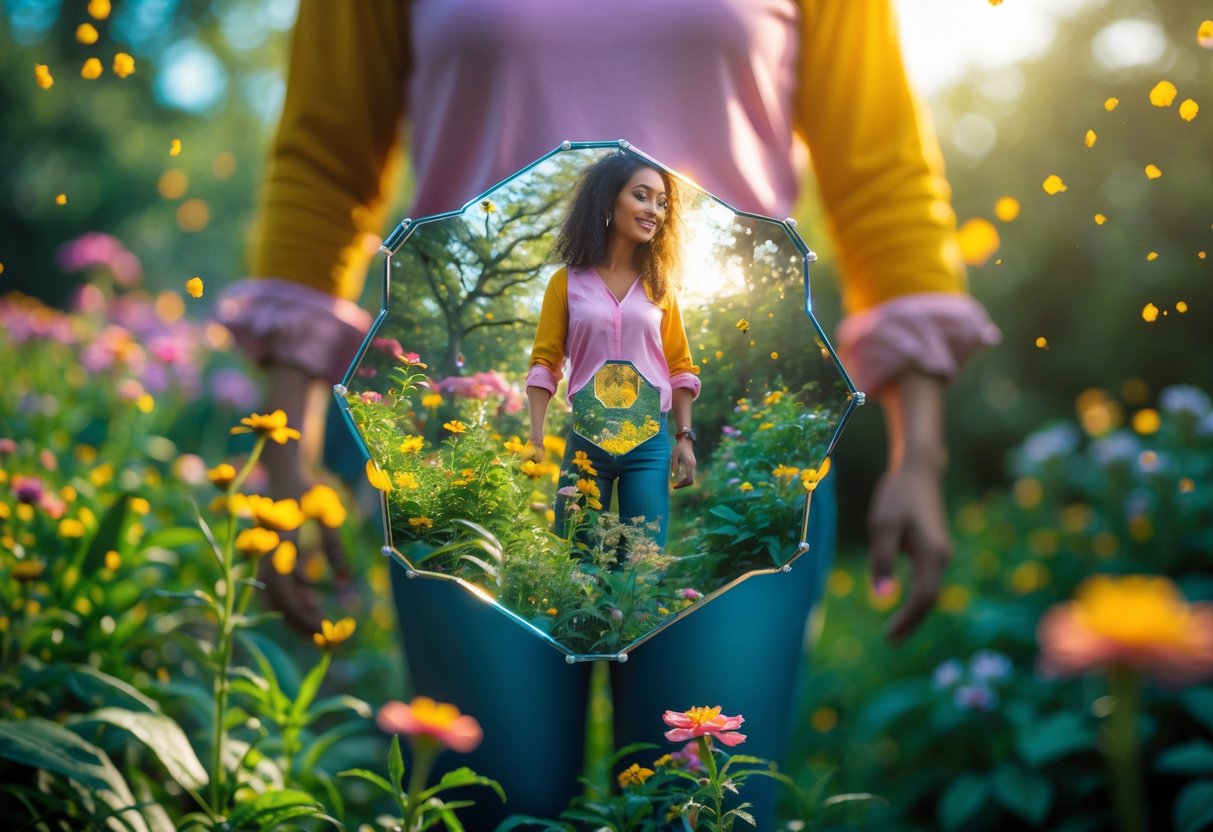
If you wear a bright red shirt, it probably looks pretty dull to a bee. On the other hand, patterns you can’t even see might pop out to them.
Bees process images way faster than we do. They pick up on vibrations and tiny movements that we usually miss. It’s kind of wild to think about.
Understanding how bees see us might change how you feel about these buzzing visitors.
If you’ve ever been curious whether bees recognize your face or how they see flowers, you’re in the right spot. Their vision is just so different—and honestly, pretty fascinating. For more, check out this guide about how bees see humans.
How Bees See and Recognize Humans

When bees check you out, they don’t focus on details like we do. Their eyes are made up of lots of tiny lenses that pick up shapes, colors, and quick movements.
Bees can even remember your face, but they do it by noticing patterns.
Bee Vision Compared to Human Vision
Bees use compound eyes—thousands of tiny lenses called ommatidia. This setup gives them a super wide view, around 280 degrees.
They don’t need to turn their heads much to see what’s going on. Bees also have three simple eyes called ocelli that help them sense changes in light.
Humans have about 6 million photoreceptors, but bees have fewer. Still, they see ultraviolet light, which we just can’t. That helps them find flowers, but it also means their color vision is nothing like ours.
Their brains process images about five times faster than ours. Movement appears sharper and quicker to them.
Mosaic Perception of Shapes and Colors
Bees don’t see faces or objects clearly. Your body looks more like a patchwork of colors and shapes—a pixelated mosaic, almost.
They pay attention to contrasts and outlines, not tiny details.
Your skin, your clothes, and the way you move all create patterns. Bees pick up on these and use them to tell you apart from other things.
They can’t see your face as a whole, but they’re great at recognizing patterns. That’s enough for them to remember you by the shapes and colors that really stand out.
Facial Recognition and Memory in Bees
Believe it or not, honeybees can recognize individual human faces. They break down key features and store those bits in their small but surprisingly efficient brains.
Meet a bee more than once, and it can remember you. Your unique features stick out as patterns, a bit like how our brains use the fusiform gyrus for faces.
This skill helps bees pick out their beekeepers. It might even keep them calmer around people they know.
If you want to dig deeper, check out how bees recognize human faces.
The Role of Bee Vision in Human-Bee Interactions

When bees see you, they react based on how you move, what patterns you wear, and even your scent.
Their vision, especially their ability to see ultraviolet, helps them decide if you’re a friend or a threat. Different bee species see the world in their own way, which changes how they act around people.
Bees’ Responses to Human Behavior
Bees notice your movements right away. Their eyes process images faster than ours, so quick, jerky motions can make them feel threatened.
They might fly off or get defensive. If you move calmly and slowly, bees usually stay relaxed.
When you stand still near flowers, bees use their vision to track your patterns. If you disturb their space, they’ll know.
Bees also use a waggle dance to talk about food sources. If you’re near their routes, they sense you both visually and through vibrations.
Influence of Patterns, Movement, and Scent
You might not realize it, but bees see colors you can’t—especially ultraviolet. Patterns on your clothes or skin that reflect ultraviolet really stand out to them.
Wearing plain, soft colors with fewer sharp patterns can help you blend in and avoid attention from bees.
Movement matters a lot. Bees spot large, fast-moving shapes and get cautious. Their sense of smell works alongside their vision, so your scent—natural or from products—can either attract or repel them.
That influences how close they’ll get, whether you notice it or not.
Bee Species and Variation in Visual Abilities
Bees don’t all see the world in the same way. Some species pick up on colors better, while others notice movement more quickly.
Bumblebees and honeybees both spot ultraviolet light, but they’re not identical in what patterns or motion catch their attention. You might notice that certain bees seem more interested in people, or maybe they’re just less nervous.
If you want to help bees or avoid startling them in your yard, it helps to know these little quirks. Every species brings something different to the table.


