
Let’s get right to it: wild deer usually live about 4–6 years on average, while deer in captivity often make it past a decade. That’s the gist, in case you’re just here for the quick answer before digging into all the details about what shortens or extends their lives.
If you’re curious, age varies a lot depending on species, sex, predators, disease, hunting, and roads. The next few sections break down typical lifespans, why bucks don’t usually make it as long as does, and what in the environment tips the scales.
Want to spot older deer or get a sense of population health? The info ahead should help you notice what matters out in the woods or even on your own land.
Deer Lifespan and Survival Rates

Deer run into different risks as they age. Habitat, predators, disease, and people all play a role in how long each deer lives and how many fawns make it to adulthood.
Average Lifespan of Wild Deer
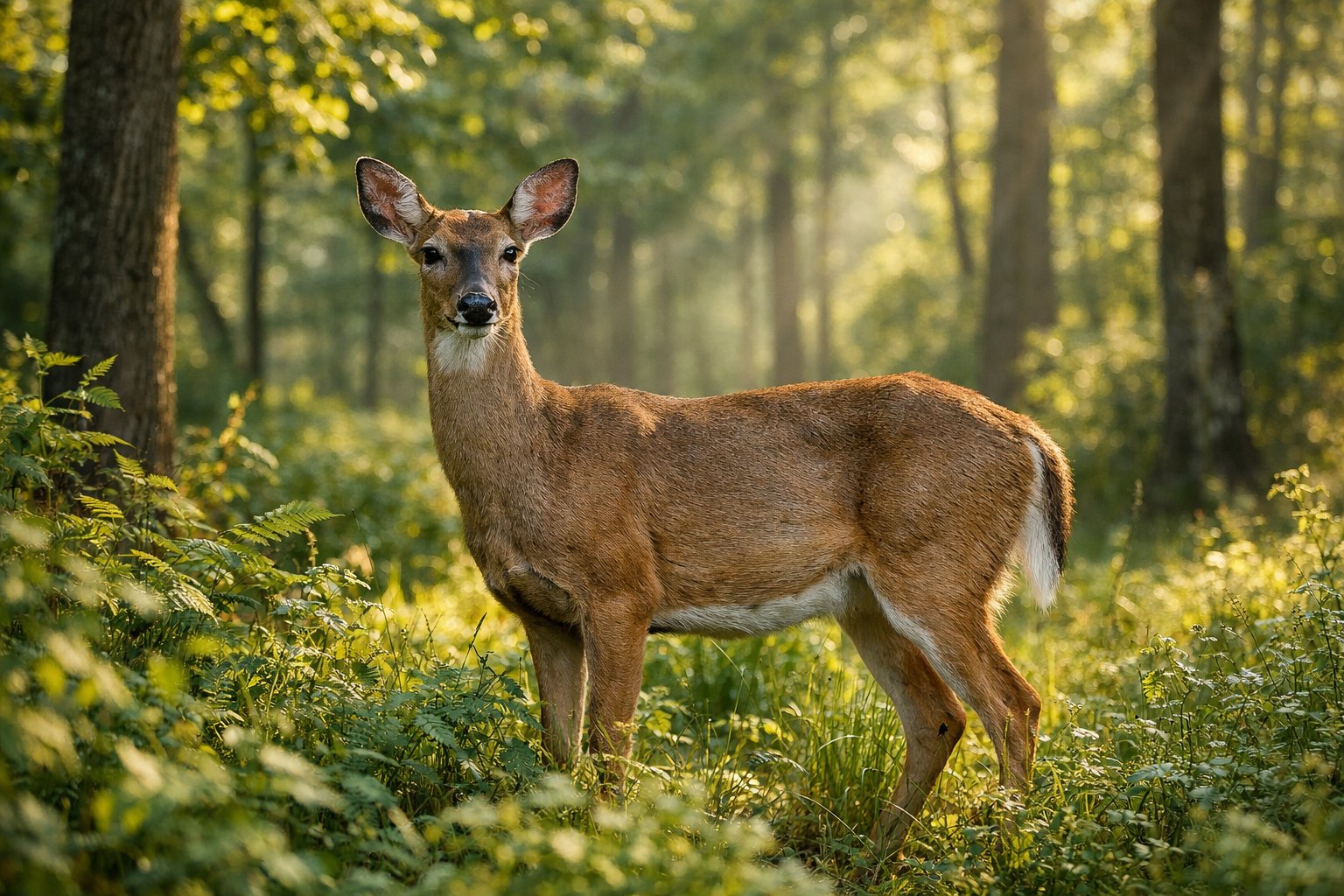
A typical white-tailed deer in the wild lives about 4 to 5 years, but a lot don’t make it that long. Bucks usually last 2 to 3 years, mostly because they’re risk-takers during the rut and wander farther for food.
Does usually outlive bucks, often making it 5 to 7 years. They move less and avoid fights, which probably helps.
Fawns have it rough. Most don’t survive their first year thanks to coyotes, mountain lions, wolves, disease, or brutal winters. Cars and hunters also take out plenty of adults. If you track a local herd, you’ll notice that only a handful of fawns ever grow old.
Here’s what takes out most deer:
- Predators (especially for the little ones)
- Disease outbreaks (chronic wasting disease is a big one)
- Cars and hunting
- Harsh weather with little food
Deer in Captivity: How Long Do They Live?
Deer kept in captivity usually live longer. If you control food, keep predators away, and provide medical care, captive white-tailed deer or mule deer can make it 10 to 20 years. Sometimes even longer if they get regular vet visits and a steady diet.
Captive deer dodge most of the dangers wild deer face. No predators, fewer accidents, and they get treated for illnesses early. If you raise deer, you can spot health problems sooner just by keeping records. Of course, they still need enough space, clean water, and a good diet to stay healthy and avoid stress-related sickness.
Differences Across Deer Species
Not all deer live the same length. White-tailed deer average around 4–5 years in the wild. Mule deer are similar but sometimes live a bit longer if there aren’t many predators around.
Scottish red deer and some elk (the bigger guys) can go over a decade if they’re protected or in captivity.
What changes lifespan between species?
- Body size and how much food they need
- Which predators live nearby
- Habitat quality and how rough the winters get
- Human pressure—think hunting and roads
Honestly, habitat and human activity often matter more than species alone.
Oldest Deer on Record
A few deer have lived way past the usual. One Scottish red deer doe in captivity made it to 31 years. That’s wild, but it shows how removing predators, giving steady food, and providing medical care can stretch a deer’s life way beyond what’s normal in the wild.
The oldest wild deer on record lived about 18 or 19 years, usually dying from injury or just old age. These are rare stories. If you hear about an ancient whitetail or elk, chances are it lived protected or in captivity, not out in the wild.
Factors Influencing Deer Lifespan
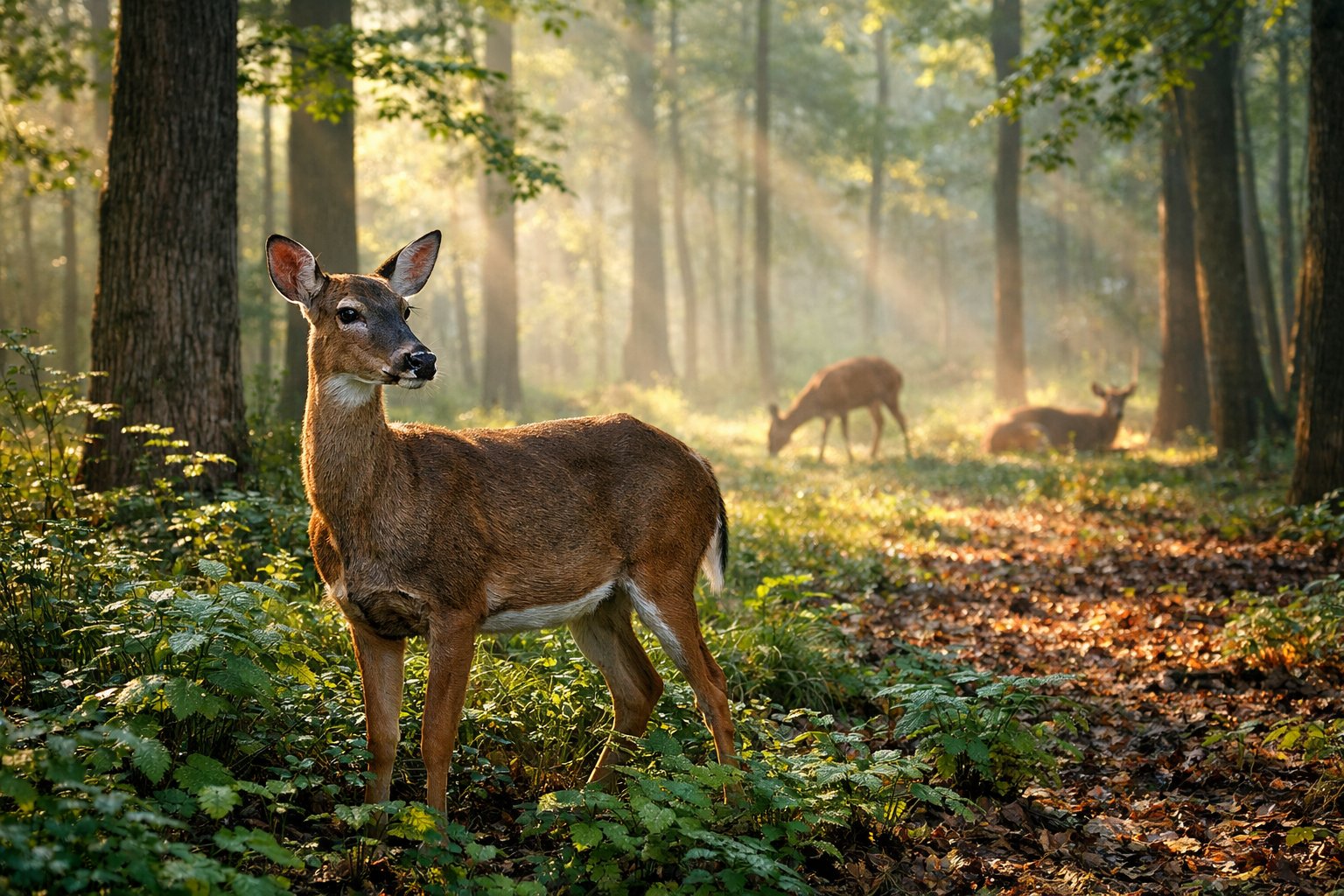
A deer’s odds depend on what they face, where they live, and what people do around them. Predators, disease, hunting, and habitat all change how long deer stick around and which age groups get hit hardest.
Predators and Natural Threats
Predators go after deer of all ages. Fawns lose out most to coyotes, bobcats, and birds of prey like eagles and hawks during those first weeks. If you look at population drops, fawn mortality often drives it because so many never grow up.
Adults have to watch for mountain lions, wolves, and bears in some areas. These big predators usually take the older or weaker deer and shape how the herd acts. Bucks sometimes die from fighting or exhaustion during the rut, which is why fewer males live as long.
Predator pressure changes with the landscape. Thick cover hides fawns but can also hide ambush predators. Wide-open farm fields might have fewer animal predators but more risk from humans and vehicles.
Impact of Disease and Health Issues
Disease can wipe out deer quickly and shrink herds. Chronic Wasting Disease (CWD) spreads slowly but kills by causing weight loss and weird behavior. You might want to check local hunting rules and testing programs to help slow CWD.
Epizootic hemorrhagic disease (EHD) can cause sudden die-offs, especially in warm months when biting midges spread the virus. Drought makes it worse, since deer crowd around the same water.
Nutrition and parasites matter too. Rough winters with deep snow or not enough food leave deer in bad shape, making them easy targets for disease and predators. Local wildlife agencies sometimes post health warnings or management tips you can use.
Hunting Pressure and Human-Related Risks
Hunting shapes deer populations wherever it’s legal. Hunters usually target adults, especially bucks in certain seasons, which changes the age and sex balance in herds. Wildlife managers set harvest limits to keep things in check.
Car collisions kill thousands of deer every year and put drivers at risk. These crashes happen more during the rut and at dawn or dusk. You can avoid deer strikes by slowing down in posted areas and watching for crossing signs.
Habitat loss and suburban sprawl make things tougher. As neighborhoods expand, deer bump into more roads, fences, and people’s yards. That means more car accidents and higher chances for disease to spread in crowded spots.
Environmental and Habitat Challenges
Habitat quality shapes food, cover, and how well deer make it through the year. Good oak forests, mixed hardwoods, and those ragged edges give deer acorns, browse, and places to hide.
When people break up habitats, deer might still find food, but they lose safe cover. That really hurts fawn survival.
If you’ve ever seen a bad winter, you know how deep snow can trap deer and bury their food. Starvation becomes a real problem in these tough spots.
It’s smart to keep an eye on local winter severity. When harsh winters hit again and again, deer just don’t live as long, and fewer yearlings make it.
How we use the land makes a difference. Sure, intensive agriculture brings in high-energy food, but it also puts deer closer to predators and busy roads.
Wildlife agencies that manage landscapes and plan deer habitats thoughtfully really do boost deer survival. Those efforts help keep deer populations healthy.


