
When it comes to keeping your bunny healthy, knowing how long they can go without food is essential. Rabbits can face serious health risks if they don’t eat for more than 24 hours. Rabbits are designed to munch continuously, making their diets critical to their well-being.

You might wonder how long a rabbit can actually go without eating. While some studies suggest they can survive for about 24 to 48 hours, it’s important to seek help if they refuse to eat for even a short time. Recognizing early signs of trouble can make a big difference in your bunny’s health.
If you notice your rabbit skipping meals, don’t wait too long to act. Taking prompt action can help prevent complications like gut stasis, a dangerous condition that can arise from prolonged fasting.
Understanding Rabbit Dietary Needs

Feeding your rabbit the right diet is essential for their health. A well-balanced diet includes hay, fresh vegetables, and the right feeding schedule. Understanding these components can help you keep your bunny happy and healthy.
Essentials of a Rabbit Diet
A rabbit’s diet primarily consists of hay, fresh vegetables, and limited pellets. Hay should make up the bulk of their daily intake because it provides necessary fiber. Fiber helps keep their digestive system running smoothly.
Fresh vegetables are also important. Offer leafy greens like romaine lettuce, kale, and cilantro. Avoid starchy vegetables and fruits in excess, as they can lead to health issues. Limit pellets to a small portion, and choose those high in fiber for better digestion.
The Role of Hay in Digestion
Hay is crucial for your rabbit’s digestive health. It helps prevent problems like gastrointestinal stasis, which can be serious. Rabbits are natural grazers and need a continuous supply of hay to chew on.
Different types of hay, like Timothy, orchard grass, or meadow hay, can be great options. Aim for unlimited access to hay daily. This ensures your bunny’s teeth wear down appropriately and keeps their gut moving. Remember, a healthy digestive system is key to their overall well-being.
The Importance of Fresh Vegetables
Fresh vegetables provide essential vitamins and minerals that rabbits need. Offer a variety daily to keep things interesting and nutritious. Dark leafy greens, such as spinach and parsley, are excellent choices.
Introduce new veggies slowly to avoid tummy troubles. Aim for about 1 cup of fresh veggies per 2 pounds of your rabbit’s body weight. Make sure to wash all vegetables thoroughly before serving. Fresh vegetables enhance your rabbit’s diet and support their health.
Risks of Inadequate Feeding

When your bunny does not eat enough, they can face serious health issues. It is important to understand the risks of inadequate feeding, especially concerning gastrointestinal stasis, dehydration, and malnutrition.
Gastrointestinal Stasis (GI Stasis)
GI stasis is a major risk for bunnies that don’t eat regularly. Their digestive systems require constant movement to function properly. When food intake decreases, the gut slows down. This can lead to a painful condition where your bunny’s stomach can become blocked.
Signs of GI stasis include a lack of appetite, reduced poop, and lethargy. If you notice these signs, contact your vet right away. Quick action can prevent serious complications. Providing constant access to hay helps maintain your bunny’s digestive health and prevents GI stasis.
Dehydration and Its Effects
Dehydration can quickly become a concern for bunnies who are not eating. When your bunny is not consuming food, they may also be drinking less, leading to dehydration. This can cause significant health problems.
Signs of dehydration include dry gums, sunken eyes, and loss of skin elasticity. If your bunny is dehydrated, it can lead to kidney issues and a weakened immune system.
Always ensure your bunny has fresh, clean water available, and encourage them to drink if they seem reluctant.
Consequences of Malnutrition
Malnutrition is another serious risk if a bunny does not eat enough. Without the right nutrients, your bunny may suffer from weakened bones, fur loss, or dental problems. These can significantly affect their quality of life.
Bunnies need a balanced diet filled with hay, vegetables, and some pellets. A lack of essential nutrients can stunt growth in young rabbits and lead to health issues in adults. Watch for signs of malnutrition, such as weight loss and dull fur, and consult your vet to ensure your bunny is getting the right food.
Identifying and Responding to Feeding Issues
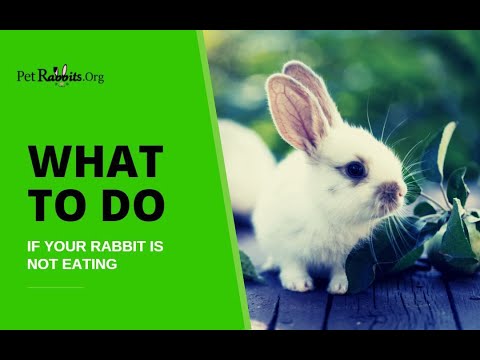
Understanding how to spot feeding issues in your rabbit is crucial for their health. Recognizing the signs of a loss of appetite and knowing how to respond will help keep your furry friend happy and well.
Recognizing Loss of Appetite in Rabbits
You should keep an eye on your rabbit’s eating habits. If your bunny suddenly stops eating or isn’t consuming as much food, this could signal a problem. Signs of appetite loss include:
- Reduced hay intake: If your bunny isn’t munching on hay, it can lead to digestive issues.
- Avoiding treats: Picky eating can be a red flag.
- Changes in behavior: If your rabbit is more withdrawn or lethargic, it might indicate discomfort.
Remember, rabbits’ digestive systems are sensitive. A lack of food for more than 12 hours can lead to serious health issues. Make sure to monitor your rabbit closely.
Cecotropes and Their Significance
Cecotropes are soft, nutrient-rich droppings that rabbits eat directly from their bodies. This process helps them absorb vital nutrients. You should check if your bunny is producing and consuming cecotropes.
If your rabbit stops eating these:
- It might indicate they are not getting enough fiber.
- A lack of cecotropes can lead to digestive problems.
Providing a diet high in fiber, like hay and fresh greens, is essential. This ensures healthy digestion and proper cecotrope production.
When to Seek Veterinary Care
If your rabbit hasn’t eaten for more than 12 hours, it’s time to consult a veterinarian. Neglecting to eat can lead to serious health troubles. Some signs that indicate a need for immediate veterinary care include:
- Prolonged loss of appetite: Any refusal of food lasting over 24 hours is concerning.
- Lethargy or hiding: This behavior can signal distress or pain.
- Change in litter box habits: If your bunny isn’t pooping or has unusual droppings.
During your vet visit, be ready to discuss your rabbit’s behavior, diet, and any noticeable changes. This will help the vet provide the best care possible for your pet.
Feeding Guidelines Across Rabbit Life Stages

When it comes to feeding rabbits, different life stages require different care and attention. Each stage has specific dietary needs that are crucial for their health.
Caring for Baby Rabbits
Baby rabbits need a special diet for proper growth. If they’re under eight weeks old, they should be fed their mother’s milk. After that, you can introduce high-quality rabbit pellets designed for young rabbits.
Fresh hay is essential, as it aids digestion and helps keep their teeth healthy. You can gradually add leafy greens and fresh vegetables, ensuring they are introduced one at a time to monitor for any digestive issues. Avoid giving them sugary or starchy foods until they are older.
Feeding Adult Rabbits
Adult rabbits have different dietary needs. You should focus on high-fiber foods to keep their digestive system healthy. A mix of fresh hay and quality pellets is important. Aim for about 1/4 cup of pellets for every 5 pounds of body weight daily.
Fresh vegetables should make up about 10-15% of their daily intake. Choose dark, leafy greens like kale or romaine lettuce. Always provide fresh water, and avoid foods high in sugar or fat. Stick to foods that are safe for rabbit consumption, as some household foods can be harmful.
Special Considerations for Senior Rabbits
Senior rabbits need a careful approach to their diet. As they age, their digestive system may slow down, requiring changes in their food.
Continuing to provide high-quality hay and pellets is essential. You may need to switch to softer pellets made for older rabbits to ease their chewing.
Offering a variety of vegetables helps keep their diet interesting and ensures they get the nutrients they need. Monitor their eating habits closely, as decreased appetite can indicate health issues.
Always consult a vet if you notice any changes in their eating patterns.


