
Keeping a rabbit indoors can be a fun and rewarding experience for both you and your furry friend. To provide a happy and healthy home for your indoor rabbit, make sure they have plenty of space to roam, chew toys to play with, and a proper diet. These small changes can greatly improve your rabbit’s quality of life and help prevent boredom.

Rabbits are social creatures that thrive on interaction and stimulation. By setting up a safe play area and providing daily playtime, you can ensure your rabbit stays active and engaged. It’s also important to think about their enclosure. A comfortable space with a litter box is essential for your rabbit’s well-being.
You’ll find that keeping a rabbit indoors allows for a closer bond between you and your pet. With the right environment and care, your rabbit can be a cherished companion that brings joy to your home.
Understanding Indoor Rabbit Needs

Taking care of a rabbit indoors is a rewarding experience. You need to ensure your house rabbit has all the right conditions for a happy life. This includes understanding their care requirements and recognizing how indoor life differs from being outdoors.
The Basics of Rabbit Care
To keep your pet rabbit healthy, start with a proper diet. Fresh hay should be a major part of their meals. You should also include fresh leafy greens and limited pellets for balanced nutrition.
Shelter is vital for indoor rabbits. They need a comfortable, safe space to relax. A large cage can serve as their home base, but they also need room to hop around. Avoid small cages that restrict movement.
Daily playtime is essential. Rabbits are playful and curious, so set aside time each day for exercise and exploration. Provide toys to stimulate their minds and prevent boredom.
Lastly, ensure your rabbit has access to fresh water at all times. Keeping their living environment clean is also crucial for their health.
Differences Between Indoor and Outdoor Rabbits
Indoor rabbits experience a different lifestyle compared to outdoor ones. While outdoor rabbits have more space, they face risks from weather and predators. In contrast, house rabbits enjoy shelter and safety, with climate control that keeps them comfortable.
You need to rabbit-proof your home. This involves preventing access to electric cords and other dangerous items. Create a safe play area free from hazards so your rabbit can explore without worry.
Social interaction is more frequent for indoor rabbits. They thrive on companionship and can often bond closely with their owners. Regular interaction helps build trust and reduces loneliness.
Keep in mind that indoor rabbits still need exercise. Encourage them to hop and play regularly. A mix of indoor activities will help keep your pet active and content.
Setting Up a Safe Space

Creating a safe area for your rabbit is essential for their happiness and health. This space should provide comfort and protection while allowing your bunny to explore and play safely. Let’s look at how to choose the right housing and ensure your home is bunny-proofed.
Choosing the Right Rabbit Housing
Selecting the right housing for your rabbit is crucial. You want a cage or enclosure that is spacious enough for them to move around and stretch their legs.
Key features to consider:
- Size: The housing should be at least four times the size of your rabbit when they’re fully stretched out.
- Design: Look for a multi-level design that encourages climbing and exploration.
- Accessibility: Ensure there are doors that are easy to open. This makes it simple to interact with your rabbit.
You can create a “home base” with bedding, hideouts, and litter boxes. Your rabbit should feel secure in their space, so include familiar items that smell like them or you.
Essentials of Bunny-Proofing Your Home
Bunny-proofing your home is necessary to keep your rabbit safe. Start by removing or covering anything that could be dangerous. This includes:
- Wires and Cords: Use cord protectors and hide wires to prevent chewing.
- Toxic Plants: Check your home for any plants that are harmful to rabbits.
- Small Items: Remove small objects that could be swallowed.
Provide safe toys to keep your rabbit engaged. Choose items made from natural materials, like untreated wood or cardboard. This encourages chewing and helps maintain dental health.
By focusing on these elements, you’ll create a great indoor environment for your rabbit.
Rabbit Health and Hygiene

Maintaining proper health and hygiene for your indoor rabbit is crucial for their well-being. A clean living environment helps prevent illness and keeps your rabbit happy. Proper litter training and selecting the right materials are key steps in achieving this.
Litter Training 101
Litter training your rabbit is an effective way to keep their space clean. Start by placing a litter box in their enclosure, ideally in a corner. Rabbits naturally choose corners for their bathroom needs.
Encourage your rabbit to use the box by adding some of their droppings to it. This will help them recognize where to go. Be patient; it may take some time for them to adjust.
Consistency is vital. Clean the litter box regularly to avoid odors and keep your rabbit healthy. If your rabbit starts using other areas, try placing additional litter boxes in those spots. This helps reinforce good habits.
Selecting Appropriate Litter Materials
Choosing the right litter material is essential for your rabbit’s health. Safe options include paper-based litter, which is absorbent and minimizes dust. This is important as rabbits have sensitive respiratory systems.
Avoid using cedar or pine shavings, as they contain oils that can harm your rabbit. Instead, look for products specifically labeled as safe for pets.
You can also use hay as bedding, but it’s best combined with another litter type to maintain cleanliness. Always monitor your rabbit for any signs of allergies or discomfort with the litter. Keeping a close eye on their behavior will help you ensure they’re safe and happy in their environment.
Interaction and Enrichment
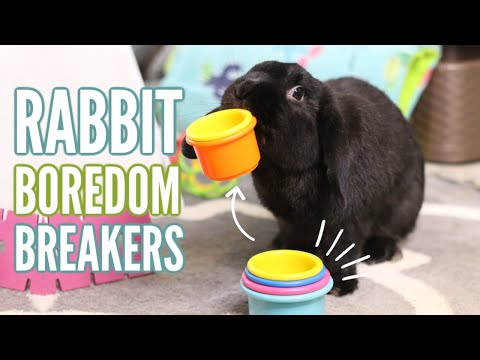
Keeping your rabbit engaged and happy is essential for its well-being. Interaction and enrichment can enhance your bunny’s life significantly. This section covers the role of toys and play, as well as how to navigate interactions with children.
The Importance of Toys and Play
Providing rabbit toys is crucial for mental and physical stimulation. Toys encourage your rabbit to play, which helps prevent boredom. Common options include chew toys made of timothy hay, wooden blocks, and tunnel systems.
Rotate toys regularly to keep things fresh and exciting. Simple cardboard boxes can also be a fun addition.
Playtime should last at least 30 minutes a day. This allows your rabbit to hop, explore, and socialize, improving its overall mood. Remember, an active rabbit is a happy rabbit!
Understanding Rabbits and Children
When you have kids around, you must supervise their interactions with your rabbit. Kids can be energetic and unpredictable, which might scare your pet. Teach your children to be gentle and calm when handling the rabbit.
Explain rabbit behavior to them. For example, a rabbit may thump when it feels threatened. This helps kids understand when to give your pet space.
Encourage supervised play sessions where the rabbit can explore safely. This nurtures a bond between your child and your rabbit while keeping everyone safe. Always make sure your rabbit has a safe retreat for when it needs a break.


