
Rabbits can be more than just cute pets; they can form deep bonds with their humans. Yes, rabbits do love their owners, and they have their own special ways of showing it. Understanding rabbit behavior is key to recognizing this affection.
When you gain a rabbit’s trust, you’ll start to notice the little signs they give to express their love.
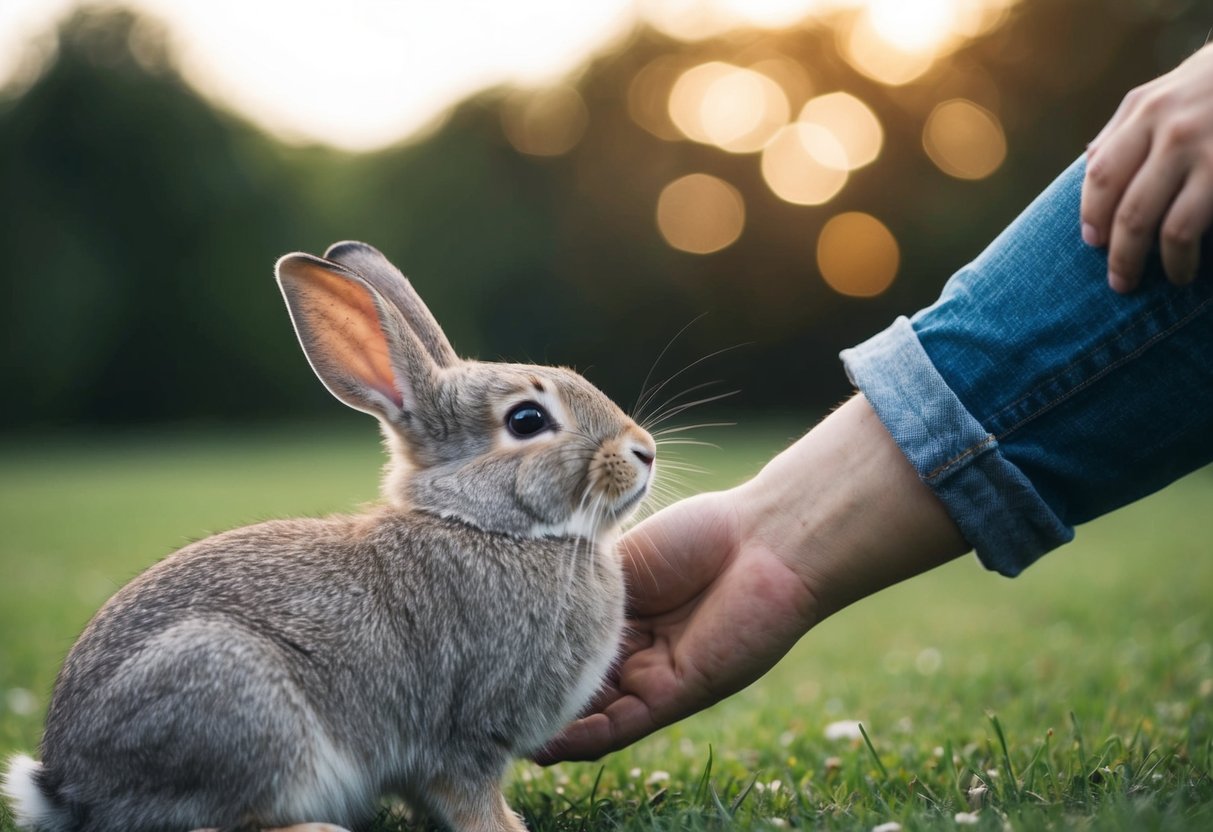
From playful nudges to gentle licks, your rabbit will communicate their feelings in various ways. Each gesture reflects their comfort and affection towards you.
As you learn to read these behaviors, you’ll see how your relationship with your rabbit can grow stronger over time.
Building trust with a rabbit takes patience, but the rewards are worth it. By being attentive and responsive to their needs, you create a loving environment where your rabbit feels safe.
This bond will lead to a happy and affectionate companion that truly enjoys your company.
Understanding Rabbit Behavior and Bonding

Building a bond with your rabbit involves understanding their unique behaviors and social needs. Recognizing signs of trust and affection can help you and your pet develop a stronger relationship.
It’s also essential to appreciate their social structure since rabbits are prey animals that thrive in a safe environment.
Signs of Trust and Affection
Your rabbit will show trust and affection in several ways. Some key signs to look for include:
- Nudging: When your rabbit nudges you with their nose, it’s a way of seeking attention and showing affection.
- Binky: This joyful leap and twist in the air signal that your rabbit feels happy and secure around you.
- Cuddling: If your rabbit snuggles close or sits on your lap, they likely feel safe and loved.
Rabbit body language can be subtle. Pay attention to their ears, which should be relaxed. A relaxed body posture indicates comfort.
If your rabbit thumps their hind legs, it can mean they are feeling alarmed or want to alert you about something.
The Importance of Social Structure in Rabbit Relationships
Rabbits are social creatures that thrive in groups or pairs. In the wild, they develop strong social bonds. As a pet owner, you can create an environment that respects this need.
When interacting with your rabbit, establish a routine. Follow consistent feeding times and play sessions. This stability helps your pet feel secure.
Be mindful of territorial behavior too. Rabbits can be protective of their space, especially when they feel threatened.
Allow your rabbit to have their own area to explore freely. This consideration helps them to express themselves and bond with you.
How Rabbits Show Affection

Rabbits express their feelings in various endearing ways. Understanding these behaviors can help you build a strong bond with your furry friend. Here are some common ways rabbits show love and how to interpret their body language.
Common Affectionate Behaviors
One way your rabbit shows love is through licking. When rabbits lick you, it’s a sign of affection, similar to how they groom each other. They might also use gentle nibbling as a way to bond. This behavior is a playful gesture, not meant to hurt.
Rabbits enjoy cuddling. If your rabbit leans against you or snuggles into your lap, it means they feel safe and loved.
Nuzzling is another common behavior. When they nuzzle your hand or face, they are seeking closeness and affection.
Lastly, many rabbits will lift their heads for petting. This is a clear invitation for you to show them some love.
By responding to these affectionate behaviors, you can deepen your connection with your rabbit.
Reading Your Rabbit’s Body Language
Rabbits communicate a lot through their body language. When your rabbit is relaxed and comfortable, they may flop over or stretch out, showing they trust you fully.
Pay attention to their ears; if they are perked up, your rabbit is alert and engaged.
Lifting their head invites you to pet them. If they turn their back to you, they might be looking for reassurance or comfort.
If your rabbit shows signs of nuzzling, they’re indicating they want to interact.
Also, watch for how your rabbit moves around you. If they follow you or hop in your direction, it’s a sign they enjoy your company.
This body language reflects their love and appreciation for you.
Caring for Your Rabbit’s Social and Emotional Needs

Taking care of your rabbit involves meeting their social and emotional needs. This helps them to feel safe and secure while strengthening the bond you share.
Create a comfortable space and engage in play and interaction to enhance their happiness.
Creating a Comfortable Environment
Rabbits need a cozy space to thrive. Provide a clean, quiet area with plenty of soft bedding. This helps them feel safe.
Make sure they have a hiding spot to retreat to when they feel stressed.
Offer a selection of toys made from safe materials. Chew toys and tunnels can keep your rabbit entertained. A well-stocked environment also promotes exploration and play.
Consider adding a companion rabbit if your pet shows signs of loneliness. Social interaction is crucial for their emotional health. Make sure to introduce them properly to avoid stress.
Bonding Through Play and Interaction
Engage your rabbit regularly through play and interaction.
Spend time petting them, as rabbits often show affection by leaning into your hand or nuzzling you. You might notice your rabbit licking you, which is a sign of love and trust.
Set aside time each day for grooming sessions. This not only helps keep them clean but also builds trust. You can use gentle brushing to bond further.
Interactive play is essential for mental stimulation. Use toys that encourage chasing or hiding. This keeps them active and happy.
Regularly changing their toys can maintain their interest and curiosity.
Interactive Behaviors and Activities

Rabbits express their love through playful interactions and specific signals. Engaging in activities together and understanding their behaviors can enhance your bond with your rabbit.
Fostering a Playful Relationship
One of the best ways to connect with your rabbit is through play. Rabbits enjoy games like tug-of-war, where you can use a rope toy or a piece of cloth. They often grasp the toy and pull, showing their playful side.
Another fun activity is hide and seek. Hide a treat or toy and encourage your rabbit to find it. This not only stimulates their mind but also promotes bonding.
Watch for signs of happiness, like “binkying,” where your rabbit jumps and twists in the air. When they flop over, it’s a sign they feel safe and relaxed with you.
Understanding and Responding to Your Rabbit’s Cues
Pay attention to how your rabbit shows affection. Many rabbits engage in excessive grooming or licking as a way to bond with you, similar to how cats groom. They may also follow you around, showing their interest and trust.
Nudging is another sign of affection. When your rabbit nudges you with their nose, it’s a way of saying “pet me!”
You might also notice purring sounds, which signify contentment. When your rabbit is happy, they might perform a little dance or binkying.
Responding to these behaviors with gentle petting or play will strengthen your relationship and show your rabbit that you care.


