
As the seasons change in the Arctic, the stunning fur of the Arctic fox changes as well. These clever animals are known for their incredible ability to adapt to their environment.
In winter, they sport a thick, white coat that
Adaptation to the Environment

Arctic foxes showcase remarkable adaptations that allow them to thrive in their extreme habitats. Their changing fur from winter to summer plays a crucial role in these adaptations, helping with camouflage and temperature control.
Seasonal Camouflage and Survival Strategies
In winter, the arctic fox sports a thick, white coat that blends seamlessly into the snowy landscape. This coloration is essential for hunting, as it allows the fox to approach prey while remaining hidden.
As summer arrives, the fox sheds the white coat for a mix of brown and gray hues. This change helps the fox camouflage against the tundra’s vegetation and rocky terrain. Camouflage enables the fox to escape predators and improves hunting success in warmer months.
Adapting fur color based on the season not only aids in survival but also reflects the incredible resilience of the arctic fox.
Thermoregulation and Insulation Properties
The arctic fox’s fur is not just about color; it also provides vital insulation. During harsh winters, their thick winter coat traps air, creating an effective barrier against the cold. This insulation keeps their body warm, even when temperatures plummet.
In contrast, the summer coat is lighter and less dense, allowing for better heat regulation. This balance helps the fox stay cool in warmer temperatures while still offering some protection.
These adaptations are crucial as climate change affects temperatures and habitats, making the arctic fox’s ability to adjust its coat vital for its survival.
Physical and Behavioral Adaptations
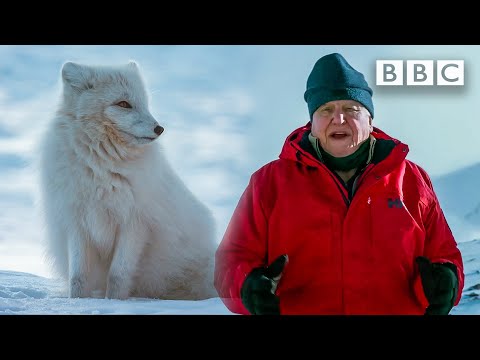
Arctic foxes have developed unique physical and behavioral adaptations that help them thrive in their extreme habitats. These adaptations include changes in fur color from winter to summer and effective hunting strategies to manage food supplies.
Fur Color Transformation Mechanisms
The fur of an Arctic fox changes color to enhance its camouflage. During winter, their fur turns white or blue to blend in with the snow and ice. This helps avoid detection by predators and aids in stalking prey.
In summer, the fur shifts to shades of brown or grey. This transformation allows the fox to blend in with the tundra’s rocky and grassy landscape. The process involves changes in pigment production that are influenced by temperature and daylight. Natural selection favors those who can adapt their fur color effectively to survive.
Hunting Strategies and Food Supply Management
Hunting is crucial for Arctic foxes, especially since their prey varies with the seasons. They primarily hunt lemmings, which are abundant in winter. During this time, they use specialized hunting techniques, including listening carefully for movements beneath the snow. This helps them locate their prey even when it’s hidden.
In summer, Arctic foxes adapt their diet to include other rodents, birds, and even fish. They must manage their food supply skillfully to survive challenging conditions when prey is scarce. By caching food, they store extra meals for later, ensuring they have enough to eat during tougher times. These strategies showcase the importance of adaptability in their survival.
Reproduction and Lifecycle

Arctic foxes have interesting breeding habits that ensure the survival of their pups. Understanding their gestation and development will give you insight into the lifecycle of these unique animals.
Gestation and Pup Development
The gestation period for Arctic foxes lasts about 49 to 57 days. During this time, the female fox prepares a safe, warm den for her pups. These dens can be made in the ground or burrowed into snow.
Typically, litters range from 4 to 11 pups, with an average of about 6 to 7. The number of pups often depends on the availability of food and the age of the female.
Once born, the pups are blind and helpless. They rely on their mother for food and protection. After about two weeks, the pups begin to open their eyes and explore the den. As they grow, they become increasingly playful and curious about their surroundings. This playful behavior helps them develop skills needed for survival.
Impact of Environmental Changes

Environmental changes greatly affect the Arctic fox’s adaptability and survival. Understanding these impacts can help you appreciate the challenges faced by these animals in their habitats.
Conservation Status and Threats
Arctic foxes currently face several threats to their population. According to the International Union for Conservation of Nature (IUCN), they are listed as Least Concern, but their status can change. Habitat loss and competition with red foxes are significant challenges.
- Rising sea levels and climate change alter the tundra, making it difficult for Arctic foxes to find food.
- The melting ice also affects their hunting grounds.
- Additionally, as temperatures rise, Arctic foxes may struggle with food scarcity during the winter months.
Effect of Climate Change on Habitat and Behavior
Climate change plays a major role in shaping the Arctic fox’s range and behavior. The warming climate leads to more variable weather patterns in the tundra.
- Longer summers cause their fur color to change, affecting their camouflage.
- Seasonal changes in fur affect camouflage, making it harder for them to hunt.
- Environmental factors such as shifting prey populations can also impact hunting success.
These changes could push Arctic foxes to adapt their behavior. You might notice variations in their migrations as they seek more stable environments to thrive in.


