
Finding a bat in your house can be surprising and a bit frightening. But don’t worry, you can keep calm and help the bat leave your home by opening windows and doors. Bats are generally harmless creatures and often enter homes by mistake, looking for a quiet place to rest.
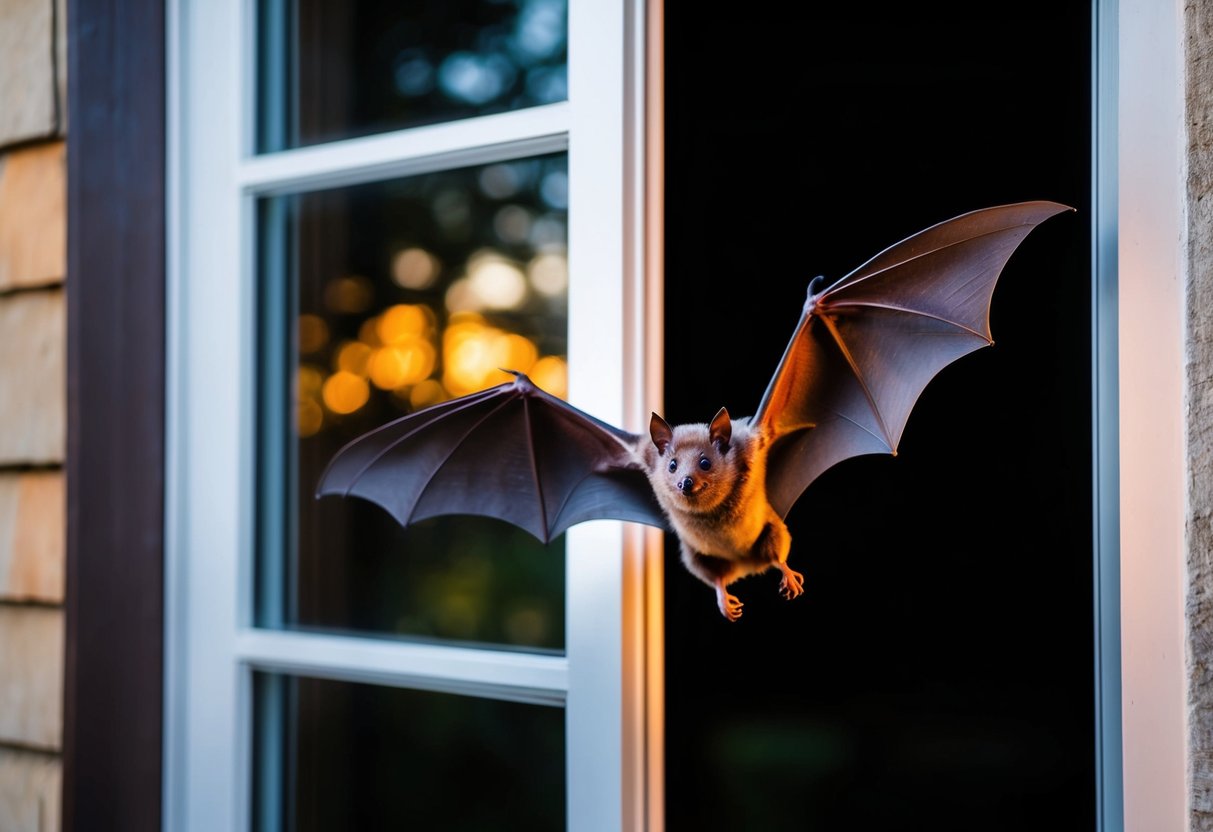
To encourage the bat to leave, start by closing off any potential hiding spots. This means shutting doors to rooms that aren’t needed while keeping the exit points clear. Once the area is secure, the bat will likely find its way back outside. Remember, there are many bat species, and they often prefer to stay away from humans.
If the bat doesn’t leave on its own, you may need to use a simple trap, like a cardboard box, once it settles down. Be gentle and patient, as they’re more scared of you than you are of them. By understanding their behavior, you can successfully encourage them to return to their natural habitat.
Understanding Bats and Safety Measures

Bats are fascinating creatures with unique behaviors and important roles in ecosystems. Knowing how they act and the risks they might pose can help you manage their presence safely.
The Behavior of Bats
Bats are nocturnal animals, meaning they are most active at night. They use echolocation to find food and navigate in the dark. This ability allows them to locate insects while flying, reducing the risk of collisions.
When bats enter your home, they usually look for warm, safe places to roost. Common spots include attics, basements, and chimneys. Bat populations can vary, with some species hibernating during colder months. Understanding their habits can help you determine the best way to encourage them to leave.
Risks Associated With Bats
While bats are beneficial by controlling insect populations, they can also pose health risks. One major concern is the potential for transmission of diseases. Bat droppings can host histoplasmosis, which affects the lungs when spores are inhaled.
Additionally, bats can carry rabies, a serious viral disease that affects the brain. If a bat bites you, it can lead to severe health issues. Always take precautions and consider contacting a wildlife rehabilitator if a bat is in your home.
What Is Rabies
Rabies is a viral infection that is often fatal if left untreated. It is primarily transmitted through the bite of an infected animal. While not all bats carry rabies, it’s crucial to treat any contact seriously.
Symptoms of rabies include confusion, agitation, and hallucinations. If you suspect a bat has bitten you, seek medical care immediately. Vaccinations are available and effective if given promptly. Awareness of the risks associated with rabies can keep you and your family safe.
Preventing Bat Entry and Creating Alternatives
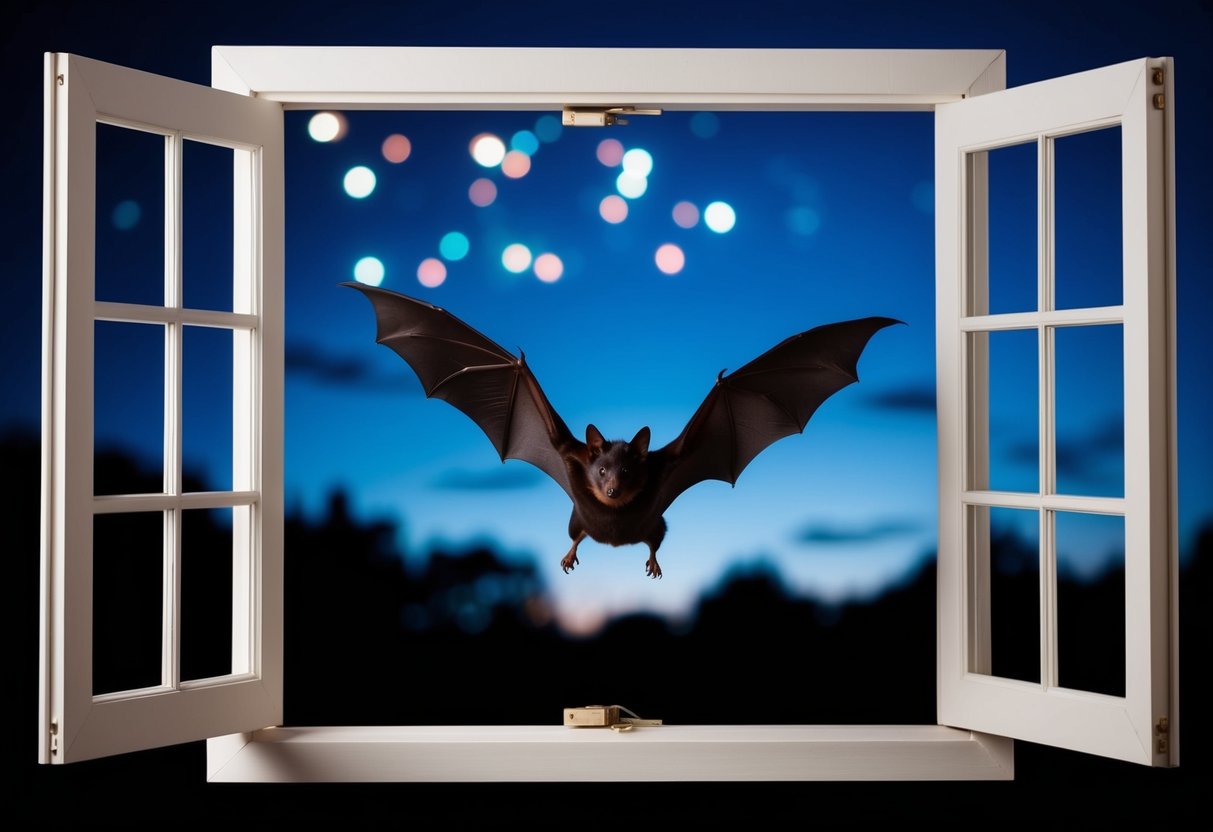
Keeping bats out of your home involves identifying where they might get in and offering them another place to roost. You can take simple steps to seal off gaps and create a bat house that provides an inviting alternative.
Identifying and Sealing Entry Points
Start by inspecting your home for gaps and cracks. Bats can enter through surprisingly small openings, so look around windows, doors, eaves, and vents. Use caulking or mesh to seal any entry points.
Regularly check for areas that might be vulnerable, especially before maternity season when bats seek places to give birth. Trimming trees near your house can also help by preventing bats from flying close to your home. Always remember to close off access at night when bats are outside. This prevents them from getting trapped inside.
Providing a Bat House as an Alternative
Offering a bat house is a great way to help bats while keeping them out of your home. A bat house mimics natural roosting spots and provides shelter. Place it in a sunny area that is at least 10-15 feet off the ground.
Make sure to space the bat house away from your house to avoid attracting them back. When building a bat house, ensure it’s made of untreated wood for safety. This way, you give bats a suitable alternative while keeping your house free of them.
Safe and Humane Bat Removal Methods

Dealing with bats in your home can be concerning, but there are safe and humane ways to encourage them to leave. You can choose to handle the situation yourself or seek help from professionals. Each approach has its own important steps to follow.
When to Call a Professional
If you’re facing a large bat infestation, it’s best to call a professional. Look for pest control or animal control services that specialize in wildlife removal. Professionals are trained to handle bats safely and humanely.
They can quickly assess your home and identify entry points. They also know how to use safe exclusion methods that won’t harm the bats. If you notice signs like bat droppings or have trouble identifying the species, reaching out to wildlife rehabilitators can provide additional guidance.
Do-It-Yourself Removal Tips
If you decide to try bat removal on your own, begin by ensuring their entry points are sealed during the evening. Bats are nocturnal and will be out foraging at night. Seal gaps, cracks, or holes in your home to prevent re-entry.
Consider using one-way bat doors or bat valves, which let bats exit but keep them from coming back. You can also use a gentle method like creating noise to encourage them to leave. Remember to wear gloves while handling anything in the area to protect yourself from potential health risks.
Dealing With Bat Droppings Safely
When cleaning bat droppings, it’s essential to take safety precautions. Bat droppings can carry diseases, so wear gloves and a mask. Start by lightly misting the waste with water to prevent dust from spreading.
Use a paper towel or disposable cloth to collect the droppings. Place them in a sealed plastic bag for disposal. After cleaning, wash your hands thoroughly and disinfect the area. It’s also wise to have your home checked for any persistent droppings, as they can signal more bats nearby.
After the Bats Have Left: Home and Environment Care

Once the bats have left your home, it’s important to focus on cleaning up and preventing any future visits. Addressing the droppings and making repairs will help ensure your living space remains safe and comfortable.
Clean-Up and Repairs
Start by wearing gloves and a mask when handling bat droppings, known as guano. This waste can carry diseases, so it’s crucial to clean it up carefully. Use a vacuum cleaner with a HEPA filter to avoid spreading dust and particles.
Next, disinfect the area with a solution of water and bleach, or a specialized cleaner. Make sure to ventilate the space while working.
After clean-up, inspect your home for any openings where bats may have entered. Seal cracks and holes in walls, near windows, and around pipes to keep bats and other pests out.
Continued Bat Prevention
To prevent bats from returning, you must maintain a clean environment. Keep your living space tidy and free of clutter, especially in attic areas.
Consider installing screens on windows and vents. This will help block entry points while allowing airflow.
You should also focus on insect control. Since bats are attracted to areas with high insect activity, you might want to use insect repellents outside your home. Yellow porch lights can attract fewer insects than white lights, making your home less appealing to bats.


