
Bats often get a bad rap, and it’s easy to see why. Movies and stories frequently paint them as scary creatures that swoop down to bite. However, bats are not aggressive towards humans and will typically avoid you if given the chance.

Understanding the behavior of bats can help ease your fears. These fascinating creatures are mostly harmless and prefer to keep their distance. They are more concerned with finding food and shelter than causing trouble for people.
If you encounter a bat, it is usually because they feel threatened or are cornered. Learning more about how bats act can help you appreciate their role in the ecosystem while dispelling any concerns about their aggression.
Understanding Bat Behavior

Bats are often misunderstood creatures. Many people believe they are aggressive and a threat to humans. Knowing their behavior helps in changing these misconceptions, as you will see in the details below.
Myths Vs. Facts
One common myth is that bats are aggressive. In reality, most bat species, like the little brown bat, are shy and prefer to avoid humans. They don’t see you as a threat unless provoked. Bats are not interested in attacking; they are focused on finding food.
Another myth is that bats will dive at people. Instead, they use echolocation to navigate and avoid obstacles, often flying at heights above ground level. Bats are insectivores, meaning they primarily eat insects, which helps control pest populations. Understanding these truths can help reduce fear and promote coexistence.
Natural Habitats and Diet
Bats live in various habitats, including caves, forests, and urban areas. They nest in places that offer safety and access to food. Their diet mainly consists of insects, such as mosquitoes and beetles, making them beneficial for the environment.
The size of most bats is similar to that of a mouse. This small size allows them to fly easily and fit into tight spaces. Their ability to consume large quantities of insects makes them valuable allies for farmers and gardeners. By learning about their natural habits and diet, you can appreciate their role in the ecosystem.
Health Risks Associated with Bats
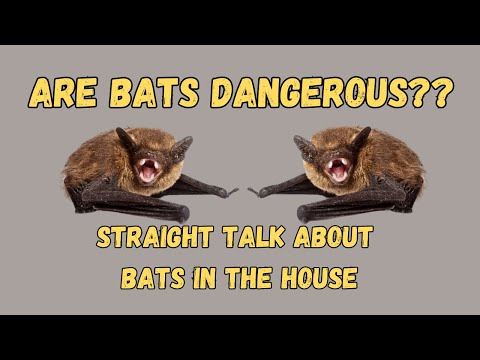
Bats may not be aggressive, but they can pose certain health risks to humans. Understanding these risks can help you stay safe and make informed decisions if you encounter bats.
Rabies and Bat Bites
Rabies is one of the most significant health concerns related to bats. While healthy bats often avoid people, bites can happen, especially during handling or if a bat is sick. If you get bitten, it’s crucial to wash the wound immediately and seek medical help.
The symptoms of rabies can be severe, including fever, confusion, and even paralysis. Vampire bats are known for their bites, but most bats in your area are not harmful. Still, it’s best to keep your distance to avoid any chance of a bat bite.
Other Zoonotic Diseases
Bats can carry several zoonotic diseases, which are infections that can spread from animals to humans. Examples include the Hendra virus and Nipah virus, both of which can cause serious illness.
Filoviruses, like Ebola, have also been linked to bats. Research shows that close contact or exposure to bat saliva can lead to infections. Being near bat colonies may increase your risk. Taking precautions, like wearing gloves if you need to handle anything related to bats, is a wise choice.
Bat Guano and Histoplasmosis
Bat droppings, known as guano, can lead to health problems if not handled correctly. When guano dries out, it can release spores that cause histoplasmosis, a lung infection.
You can become infected by inhaling these spores, especially in areas where bats roost in large numbers. To minimize this risk, avoid disturbing bat droppings and wear protective gear if you must clean them up. Staying informed about where bats are present can also help you avoid exposure.
Preventative Measures and Safe Practices

When you encounter bats, it’s essential to follow specific practices to ensure both your safety and the well-being of the bats. Staying informed about how to behave in these situations can help prevent potential bites or rabies exposure. Knowing when to call for professional help is also important.
When Encountering Bats
If you come across a bat, stay calm and keep your distance. Bats are generally not aggressive towards humans and will often fly away if given the chance. Avoid direct contact by not trying to touch or capture the bat.
If a bat is in a living space, make sure to close windows and doors to limit its escape routes. This encourages the bat to leave on its own. If the bat doesn’t fly away, consider turning off lights; bats are attracted to darkness.
Should you find yourself bitten or scratched, it is crucial to seek medical care immediately. Prompt treatment can prevent serious illnesses like rabies, which is 100% preventable with proper attention.
Professional Bat Removal
If bats are roosting in your home, it’s advisable to contact wildlife control or pest control services. These professionals have the tools and expertise to handle bat removal safely. They ensure bats are removed in a humane manner and do not harm them or endanger themselves.
Avoid trying to remove bats by yourself, as this could lead to bites or scratches. Also, you might unknowingly expose yourself to rabies.
Professional services will also inspect your home for entry points and help seal them off. This keeps bats from returning while ensuring safety for you and your family. Always choose licensed and experienced wildlife control services for the safest outcomes.
Conservation Efforts for Bat Populations

Bats play a vital role in our ecosystems, especially in controlling insect populations. With the decline of many bat species, focused conservation efforts are essential to protect these creatures and their habitats.
The Importance of Bats
Bats are often overlooked, yet they provide valuable benefits to the environment. For example, species like the big brown bat and red bat help control insect populations, including mosquitoes. One bat can eat thousands of insects in a single night.
Bat droppings, known as guano, are also important. They serve as a nutrient-rich fertilizer that supports plant growth. This connection between bats and plant life shows how their survival impacts our environment at large.
Organizations like Bat Conservation International work to raise awareness about the importance of bats. They promote understanding of how conservation can benefit both bats and humans. You can contribute by spreading the word, participating in local projects, or supporting bat-friendly policies.
Supporting Bat Habitats
Protecting bat habitats is crucial for their survival. Bats need natural spaces like forests, caves, and old buildings to roost and rear their young.
Unfortunately, urban development and climate change threaten many of these habitats.
You can help by creating bat-friendly spaces in your own yard. Planting native flora provides food and shelter for bats. Preserving trees and leaving old structures intact can also offer crucial roosting sites.
Engaging in local conservation programs can make a significant difference. Volunteer for clean-up efforts or join wildlife organizations that focus on bat conservation.
Every action counts and helps ensure that bats continue to thrive in our ecosystems.


