
Getting bitten by a raccoon can be a scary experience. If you are bitten, it is crucial to seek medical attention immediately. Raccoons can carry diseases like rabies, which is a serious virus that can affect your health if not treated promptly.

When a raccoon bites you, the risk of infection is also present. It’s important to wash the wound with soap and warm water right away. Rabbits are wild animals and may not be as friendly as they appear, so understanding the risks can help you react appropriately and stay safe.
In this article, you’ll learn about the steps to take after a raccoon bite, the symptoms of rabies, and how medical professionals can help. Being informed will empower you to handle the situation properly if it ever arises.
Understanding Rabies
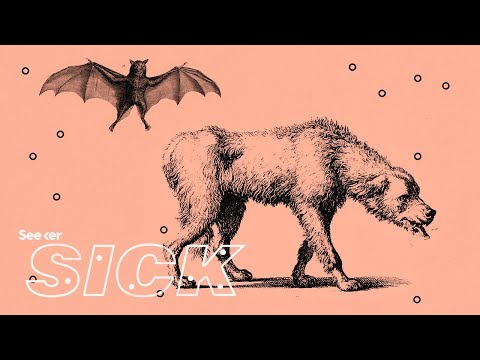
Rabies is a serious disease caused by the rabies virus. It’s essential to recognize how this virus affects the body, what its symptoms are, and how it spreads. Knowing this information can help you take appropriate action if bitten by a raccoon or another animal.
The Rabies Virus
The rabies virus is a lethal virus that primarily affects mammals. Once the virus enters your body, it targets the nervous system. It travels along nerves, eventually reaching the central nervous system. This process can lead to severe complications if not treated quickly.
Most commonly, the virus spreads through saliva. If an infected animal bites you, the virus can enter your bloodstream through the wound. It’s vital to seek medical help promptly if bitten.
Symptoms of Rabies
Rabies symptoms can be severe and often start with flu-like signs. You may experience fever, headache, and fatigue. As the virus progresses, more serious symptoms arise. These can include anxiety, confusion, hallucinations, and delirium.
Insomnia is common as well. Once symptoms appear, the disease can quickly escalate, leading to paralysis and death. Recognizing these signs early is crucial for effective treatment. If you suspect exposure, seek medical advice.
Transmission and Incubation
The incubation period for rabies can vary. It usually lasts from 1 to 3 months but may be shorter or longer. This time depends on factors such as the location of the bite and the amount of virus transmitted.
The virus primarily spreads through bites or scratches. It can also occur through indirect contact with saliva. Remember, even minor wounds can pose a risk if exposed to an infected animal. Early intervention is key to prevention, so pay attention to potential exposure.
First Aid and Treatment

When you get bitten by a raccoon, it’s important to act quickly. Immediate care can help prevent infection and serious health risks, including rabies. Knowing how to respond properly is vital for your safety.
Immediate Response to a Raccoon Bite
First, wash the wound right away. Use soap and warm water to clean the bite area thoroughly. This simple step helps reduce the risk of infection. After cleaning, cover the wound with a clean, dry bandage.
Next, seek medical attention. It’s essential to visit a healthcare provider or an emergency room, even if the bite seems minor. They will assess the wound and recommend further treatment. Don’t hesitate to ask about a tetanus shot if your vaccinations are not up to date.
If the raccoon’s behavior was unusual, be sure to provide this information to the healthcare provider. This can guide decisions about possible rabies exposure.
Rabies and Tetanus Vaccination
Rabies is a serious concern after a raccoon bite. If there’s a risk of rabies, you may need post-exposure prophylaxis, which includes the rabies vaccine and human rabies immune globulin. This treatment is most effective when started as soon as possible after exposure.
If you haven’t had a tetanus shot in the last five years, you may also need one. The healthcare provider will help determine the right course of action. Both vaccinations are crucial to keep you safe from serious complications.
Always follow your healthcare provider’s instructions regarding follow-up appointments and additional doses, if needed. It’s essential to stay vigilant after a raccoon bite to ensure your health and safety.
Prevention and Safety

Preventing raccoon bites requires taking specific steps to limit your chances of encountering these wild animals. Staying informed about potential risks and knowing how to protect yourself is key to keeping safe.
Reducing Risk of Raccoon Encounters
To avoid encounters with raccoons, it’s important to limit their access to your property. Here are some effective tips:
- Secure Trash Cans: Use sturdy, animal-proof containers to keep food waste out of reach.
- Remove Pet Food: Don’t leave pet food outside, especially at night. This can attract raccoons.
- Close Off Entry Points: Check your home for any openings and seal them to prevent raccoons from entering.
- Use Motion Detectors: Install lights or sound alarms that activate when they detect movement.
By taking these steps, you can significantly reduce the chance of a raccoon coming into your yard or approaching you.
Vaccination and Animal Control
If you’re in an area where raccoons are common, consider vaccinations for your pets. Keeping them vaccinated for rabies can protect them if they come into contact with wild animals.
Additionally, if you notice raccoons frequently visiting your area, contact local animal control. They can help manage wildlife and provide guidance on safe practices.
For any person bitten, obtaining rabies shots may be necessary. This is highly effective for rabies prevention. Always seek medical attention promptly after a raccoon bite, as timely treatment is crucial.
When to Seek Help

If you get bitten by a raccoon, knowing when to seek help is crucial. Pay attention to signs of infection and understand when to contact a healthcare provider. Quick action can prevent more serious issues down the line.
Signs of Infection
After a raccoon bite, watch for symptoms of infection. Common signs include:
- Redness around the wound
- Swelling or warmth at the site
- Increased pain or tenderness
- Pus or drainage from the wound
- Fever or chills
Infection can stem from bacteria entering the body, leading to more serious infectious diseases. If you notice bleeding that does not stop or any of these signs, don’t wait. Prompt attention can help manage any complications that may arise.
Seeking Professional Care
After being bitten, contact a healthcare provider promptly. They will assess the wound and possibly recommend rabies testing based on the raccoon’s behavior and health.
Depending on the circumstances, you may need to visit the emergency room. Medical professionals can provide necessary treatments like sutures for deep wounds. They may also give you a tetanus shot or prescribe antibiotics if there’s a risk of bacterial infection.
Early intervention is key to preventing severe outcomes, so don’t hesitate to seek help. If you are unsure, it’s always better to err on the side of caution and consult a medical expert.


