
If you’re considering adding an unusual pet to your home, you might wonder about the charm of having a raccoon. Many find these clever creatures adorable and entertaining. However, raccoons can be unique pets, but they require a lot of care and attention that might not make them suitable for everyone.

Raccoons have playful personalities and can form strong bonds with their owners. Their curious nature means they love to explore and play, which can be a joy for anyone looking for a lively companion. However, their wild instincts and specific needs also come with challenges that you should understand before deciding to bring one home.
Owning a raccoon means preparing your living space for their mischievous behavior and ensuring you can provide the right care. If you’re ready to learn more about the pros and cons of having a raccoon as a pet, keep reading to see if this unique option fits your lifestyle.
Understanding Raccoons

Raccoons are fascinating creatures known for their intelligence and unique behaviors. They are highly adaptable and often found in various environments, especially in North America. Understanding these animals can help you decide if they might fit your lifestyle.
Physical Characteristics and Behavior
Raccoons are easily recognized by their distinctive black masks and bushy tails with rings. They typically weigh between 10 to 30 pounds and can be about 2 to 3 feet long. Their front paws are very dexterous, allowing them to manipulate objects and even open containers.
These animals are nocturnal, meaning they are most active at night. This behavior allows them to hunt for food and socialize with other raccoons. Raccoons are social animals, often living in groups called “gaze.” They communicate using a variety of vocalizations, including chirps and growls. Their intelligence is notable; raccoons can solve puzzles and remember solutions for at least three years.
Raccoon Habitats and Range
Raccoons thrive in diverse habitats, from forests to urban areas. They are particularly common in North America, where they have adapted well to living alongside humans. You can often find them in parks, backyards, and near water sources.
These animals build dens in hollow trees, abandoned buildings, or under decks to raise their young. Raccoons require access to food, water, and shelter. They are very resourceful and can often find food in trash cans, making them a common sight in suburban neighborhoods. Their adaptability is a key reason for their widespread presence and enduring popularity.
Cons of Keeping Raccoons as Pets
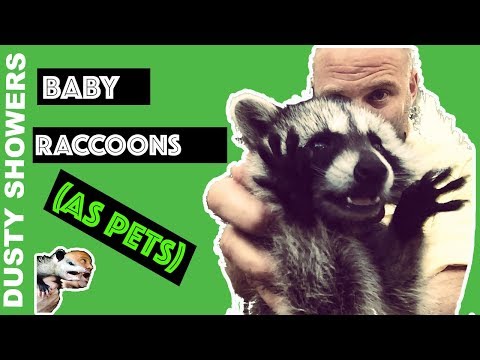
Owning a raccoon can be challenging for many reasons. From health risks to legal concerns, there are several important factors to consider before deciding to bring one into your home.
Health Risks and Zoonotic Diseases
Raccoons, as wild animals, can carry various diseases that may pose risks to you and your family. Rabies is a well-known viral disease that affects the nervous system, and raccoons are common carriers. A raccoon bite can lead to serious health problems.
They can also be carriers of zoonotic diseases, meaning these diseases can spread from animals to humans. Examples include leptospirosis and roundworms, which can be transmitted through contact with a raccoon’s urine or feces. This makes having a raccoon as a pet potentially dangerous, especially if you have children or other pets in your home.
Legal and Ethical Considerations
In many areas, keeping a raccoon as a pet is illegal or requires special permits. Laws vary significantly from one location to another. If you decide to keep a raccoon without proper permits, you could face fines or even confiscation of the animal.
Ethically, raccoons are wild animals, and many experts believe they should not be kept as pets. There are concerns about their wellbeing and whether it is fair to confine such active and intelligent creatures. They thrive in the wild, and keeping them in a domestic environment may lead to suffering.
Challenges in Raccoon Care
Caring for a raccoon is not like caring for a dog or cat. Raccoons require special diets, large spaces to roam, and a lot of mental stimulation. They are also natural foragers, which means they will search for food everywhere, potentially causing damage to your home.
Additionally, you will need to find an exotic animal veterinarian familiar with raccoons for their healthcare. Basic care, vaccinations, and attention to diseases like raccoon bites are essential. Interactions with other pets can be risky, as raccoons may view them as competition or threats, leading to possible fights.
Requirements for Raccoon Ownership

Owning a raccoon is a significant commitment. It requires understanding their social needs and ensuring they have a suitable living environment. You need to be prepared for the responsibilities involved in keeping these highly intelligent animals.
Time Commitment and Social Needs
Raccoons are social creatures that thrive on interaction. You should expect to spend several hours daily engaging with your pet. This is essential for their mental well-being.
They can become bored easily, which may lead to destructive behaviors. Activities like toys, puzzles, or even games can keep their minds sharp. Consider having a pet sitter if you’re away often.
It’s also important to note that raccoons typically do well with companions, either human or animal. This can help satisfy their social instincts and reduce anxiety.
Space and Environmental Enrichment
Raccoons need plenty of space to explore. Ideally, a secure outdoor pen can mimic their natural habitat. This allows them to climb, dig, and play.
Inside your home, be prepared to set up a safe environment. Raccoons are escape artists, so their living area must be secure. Include climbing structures and hiding spots to keep them engaged.
Environmental enrichment is crucial as well. Use items like cardboard boxes, tunnels, and foraging opportunities to mimic their natural behaviors. A varied and stimulating environment ensures they stay happy and healthy.
Alternatives to Owning a Pet Raccoon

If you’re considering a raccoon as a pet, there are several alternatives that might better suit your lifestyle.
1. Domesticated Animals
You could look into more traditional pets like dogs or cats. These animals have been bred for companionship and can provide similar joy and affection.
2. Small Exotic Pets
Consider smaller exotic pets such as guinea pigs, ferrets, or hedgehogs. They often need less space and care compared to a raccoon, but they can still be unique and fun.
3. Fostering
If you love animals, think about fostering them. Many shelters need temporary homes for pets until they can find permanent families. This way, you help animals in need without a long-term commitment.
4. Wildlife Rehabilitation
If you admire raccoons, volunteering at a wildlife rehabilitation center is a rewarding alternative. You can learn about them while helping injured or orphaned wildlife return to their natural habitats.
5. Pet Experiences
Many places offer petting zoos or animal experiences where you can interact with various animals, including exotic ones, without bringing them home.
Choosing an alternative can still provide the joy of pet companionship while meeting your needs and lifestyle.


