
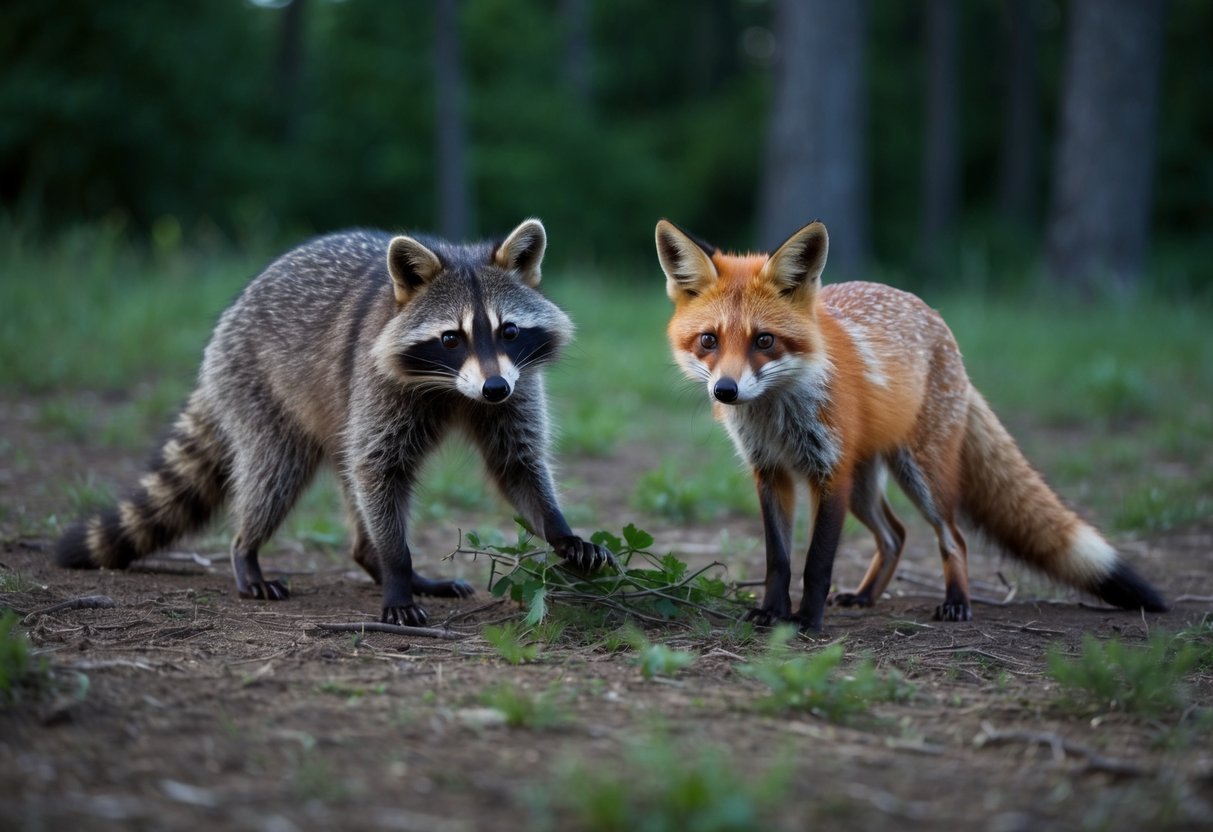
If you’ve ever wondered about animals that resemble both raccoons and foxes, you’re not alone. Many people enjoy identifying wildlife that shares similar traits. The animal that closely fits this description is the raccoon dog. These unique creatures combine features of both raccoons and foxes, making them fascinating to observe.
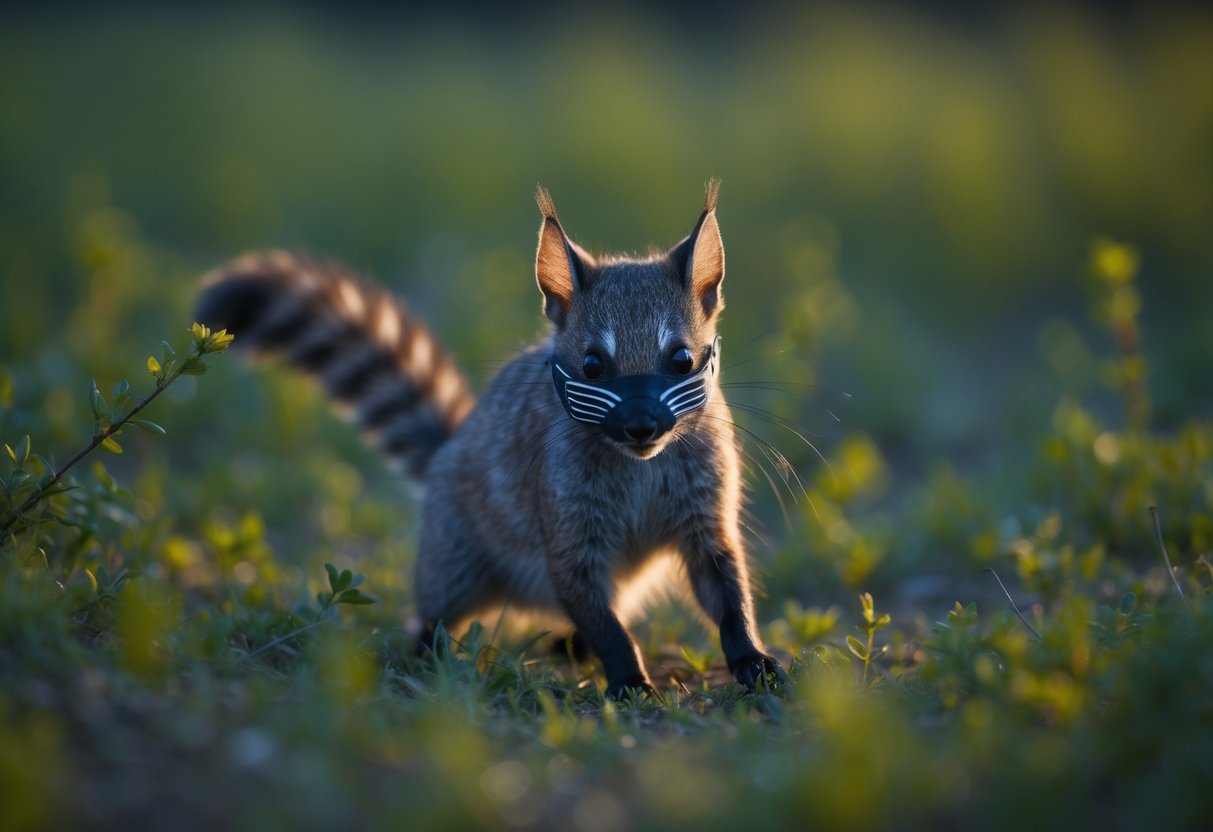
Raccoon dogs, originally from East Asia, have the facial markings of a raccoon but the body shape more like a fox. Their intelligence is notable, as they exhibit clever behaviors that make them adapt well to their surroundings. You might find them roaming forests and meadows, often engaging in activities that remind you of the playful nature of raccoons.
Exploring the world of wildlife can open your eyes to amazing animals that share traits. When you learn about creatures such as raccoon dogs, you’ll see how diverse and clever the animal kingdom truly is. Keep reading to discover more about these remarkable animals and others that share similarities with raccoons and foxes.
Understanding Procyonidae and Canidae Families
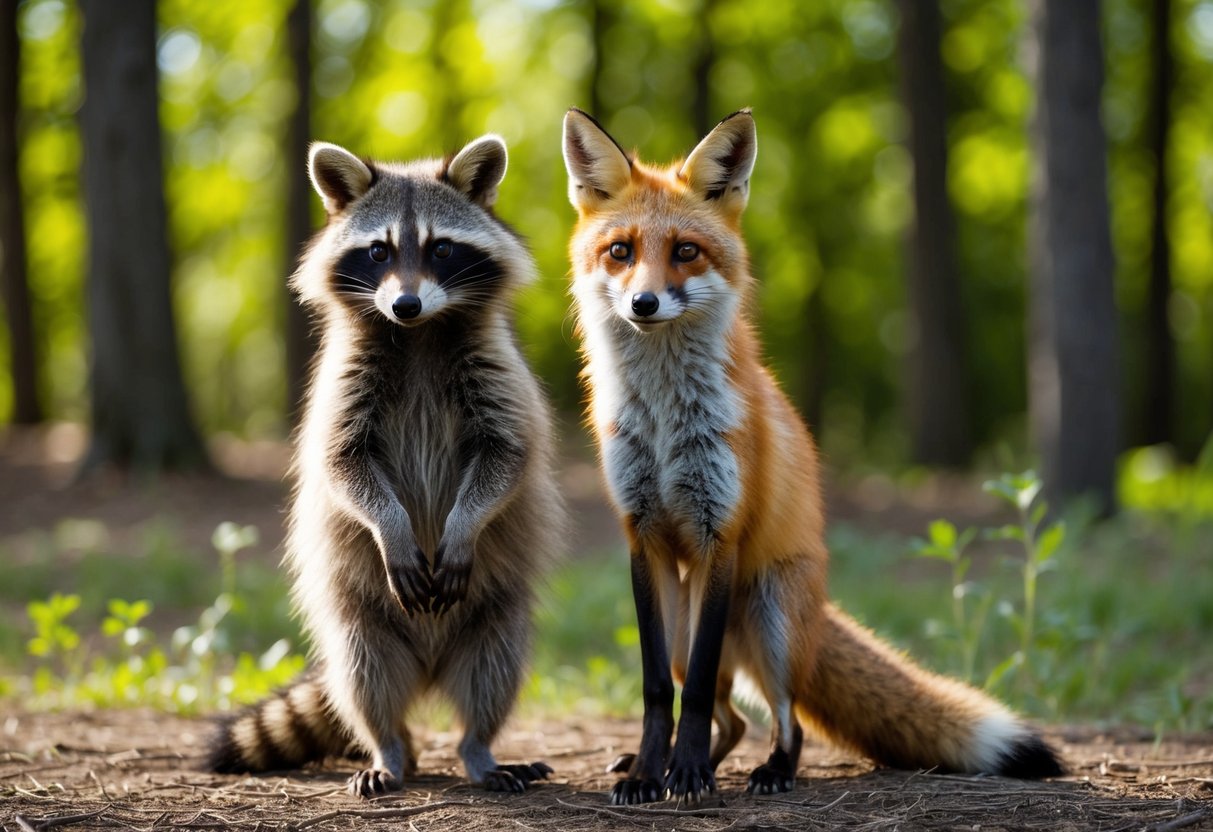
The Procyonidae and Canidae families contain fascinating animals that share similarities and differences. You will learn about raccoons and their relatives, as well as the diverse members of the Canidae family, including foxes.
Raccoons and Their Relatives
Raccoons belong to the Procyonidae family. You might recognize them by their distinctive black “mask” around their eyes and their ringed tails. Raccoons are native to North America and central America. They are known for their adaptability, often thriving in urban areas.
Other members of this family include coatis and the lesser-known kinkajous. The coati is social and lives in groups, while the kinkajou is more nocturnal and mostly arboreal. These animals often use their strong front paws to grasp branches while climbing. For example, raccoon dogs, which are not true raccoons, resemble them yet are more closely related to dogs in some aspects.
Foxes and Cousins in the Canidae Family
Foxes are part of the Canidae family, which includes species like coyotes and jackals. These animals are known for their slender bodies and long, bushy tails. You might find them in various habitats, from forests to grasslands, and even in cities.
In North America, the red fox is common and adapts well to urban settings. Coyotes are also versatile, often seen in suburban areas. Jackals, found mainly in Africa and Asia, are known for their cunning behavior. All canids share a social structure, although some prefer solitude, like the arctic fox. Their hunting skills and ability to survive in diverse environments make them remarkable creatures.
Unique Adaptations and Diets
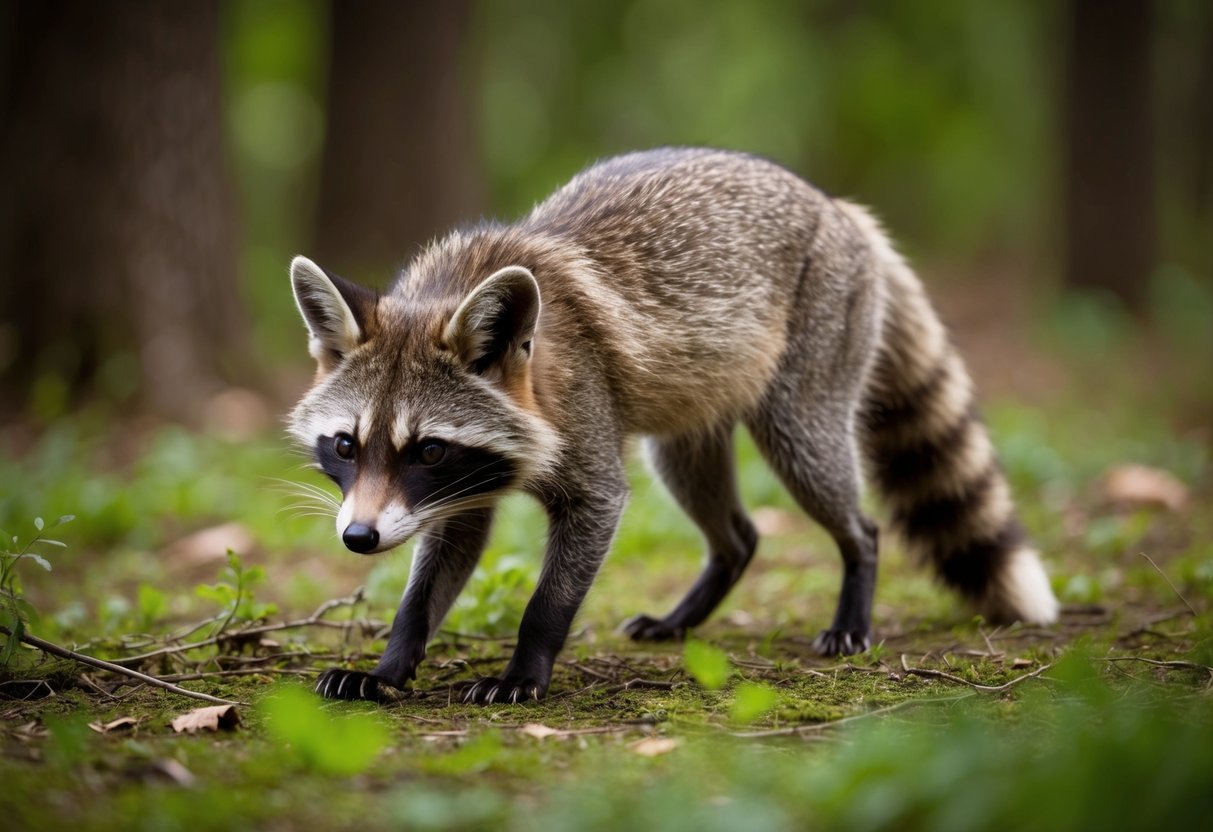
Animals that resemble both raccoons and foxes share interesting adaptations that help them thrive in various environments. Their diets and physical traits play essential roles in their survival and interaction with their surroundings.
Dietary Habits and Prey
Both animals are classified as omnivores. This means they eat a variety of foods, including plants, insects, and small animals.
You may notice that their feeding behavior changes with the seasons. For instance, in warmer months, they might rely more on fruits and insects, while in colder months, they lean towards hunting small mammals.
They are opportunistic feeders, which helps them adapt to food availability. This flexibility gives them an edge, especially in urban areas where they scavenge for leftovers and other edible items.
Physical Adaptations for Survival
Their physical characteristics include semi-retractable claws and bushy tails. These features aid in climbing and balancing, making it easier for them to navigate different terrains.
The bushy tail also helps in communication and maintaining balance while moving through trees or rough landscapes.
You’ll find that their unique facial markings serve a purpose too. These markings can help with camouflage, allowing them to blend into their surroundings while hunting for food or avoiding predators.
With these adaptations, these fascinating creatures can thrive in a wide range of habitats, from forests to urban settings.
Behavioral Traits and Habitat
You’ll discover how these raccoon-fox lookalikes adapt their lifestyles and environments. It’s interesting to see how their social behavior and grooming habits play a role in their survival.
Nocturnal and Diurnal Lifestyles
Many animals that resemble raccoons and foxes have different activity patterns. Some are nocturnal, meaning they are most active at night. They use the cover of darkness to hunt and explore, which helps them avoid predators.
Others are diurnal and thrive during the day. These animals rely on daylight to find food and socialize. Being adaptable allows them to survive in various environments and find food sources whether day or night.
Adapting to Different Habitats
These animals are quite versatile when it comes to habitat. They can be found in urban areas, tropical forests, and even mountain ranges. Their ability to thrive in different environments showcases their survival skills.
For instance, in urban areas, they often scavenge for food in trash bins. In tropical forests, they may climb trees to find fruits. Their omnivorous diet helps them adapt, consuming both plants and small animals depending on what’s available.
Social Behavior and Grooming
Social behavior is another fascinating aspect. You may notice that these animals enjoy being with others of their kind. They often engage in playful behavior, which strengthens their social bonds.
Grooming is essential too. Regular grooming helps maintain their fur and reduces parasites. Whether interacting alone or in groups, these habits play an important role in their social structures and overall health.
Conservation and Human Impact
Understanding how wildlife, like the tanuki or coati, interacts with their environments can illuminate the challenges they face. Both natural and urban settings play critical roles in their survival.
Challenges in the Wild
Wildlife faces various challenges, including habitat loss and climate change. Deforestation for agriculture and urban development reduces the natural habitats where animals like the tanuki can thrive.
These animals need forests, grasslands, and wetland areas to find food and shelter. Without these environments, their populations can decline.
Additionally, they face threats from predators, including larger wildlife. Conservation efforts are essential to protecting their habitats and creating safe zones.
Organizations work to maintain ecosystems that support these species, helping to reverse some of the damage caused by human activities. Preserving biodiversity is crucial for keeping our planet healthy.
Interaction with Urban Environments
Animals that resemble both raccoons and foxes face unique challenges and opportunities in urban areas. Many adapt remarkably well to city life, where food sources like garbage can be plentiful.
However, urbanization can also lead to dangers, including traffic and increased human-wildlife conflict. Animals may become more vulnerable when seeking food close to human habitats.
Local governments can help by implementing wildlife corridors and creating green spaces in cities. This allows these animals to roam safely while protecting their natural behaviors.
You play a role too! By being mindful of your impact on the environment and supporting local conservation efforts, you help create a better future for these fascinating creatures.


