
Seeing a raccoon during the day might raise some concerns, especially since these animals are typically nocturnal. While seeing a raccoon out in the daylight is not necessarily bad, it can indicate that something unusual is happening, like limited food sources. Urban raccoons often adapt their behavior to find food in urban areas, changing their habits to when they can best scavenge.
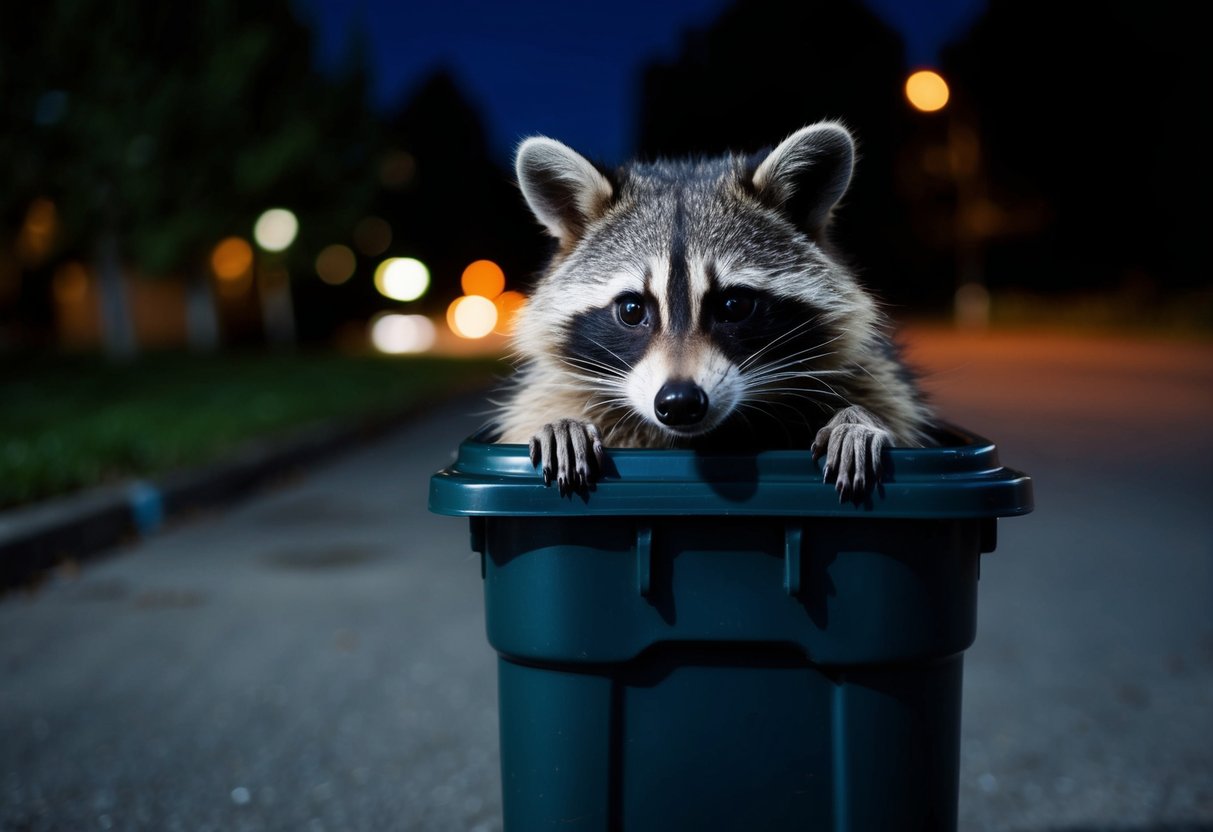
If you encounter a raccoon, the best approach is to observe it from a safe distance. Raccoons are known for their intelligence and resourcefulness, especially in cities. While they can be cute and curious, it’s important to remember that they can also be unpredictable.
You might encounter more raccoons in areas where urbanization has taken place, as these clever creatures learn to navigate human environments. Understanding their behavior can help you know what to do if you see one and when it may be time to take action.
Understanding Raccoon Behavior
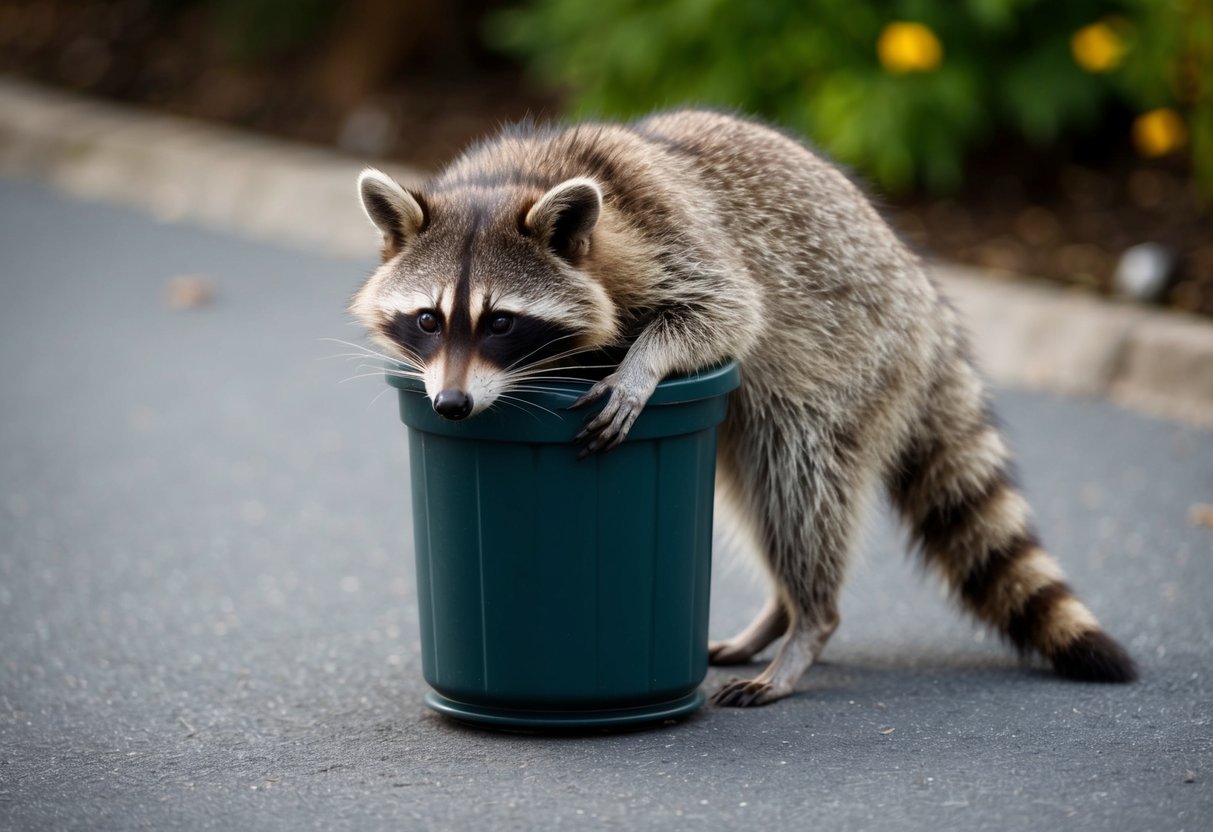
Raccoon behavior is fascinating and can often leave you wondering about their actions. Their habits and social structures give insight into their world, especially in urban areas where they adapt for survival.
Nocturnal Patterns and Urban Adaptation
Raccoons are nocturnal animals, meaning they are most active at night. This behavior helps them avoid humans and predators while foraging for food. In urban settings, you may find them rummaging through trash cans, feeding on leftover food.
Their keen sense of smell guides them to food sources, allowing them to thrive in cities. They have learned to navigate human environments, making them opportunistic feeders. This adaptation benefits them in finding food and shelter, which is crucial for their survival.
Mating Season and Territorial Claims
Raccoons typically breed in late winter to early spring. During this mating season, males may travel to find females, leading to increased activity in urban areas. You’ll notice more raccoons out and about as they explore territories and seek mates.
These animals are known to establish territories, which they defend against other raccoons. Vocalizations and scent marking are common ways they communicate territory boundaries. This behavior is essential for wildlife conservation, as understanding their patterns can help reduce conflicts with humans. Respecting their space during this time can promote a peaceful coexistence.
Potential Dangers of Raccoon Encounters
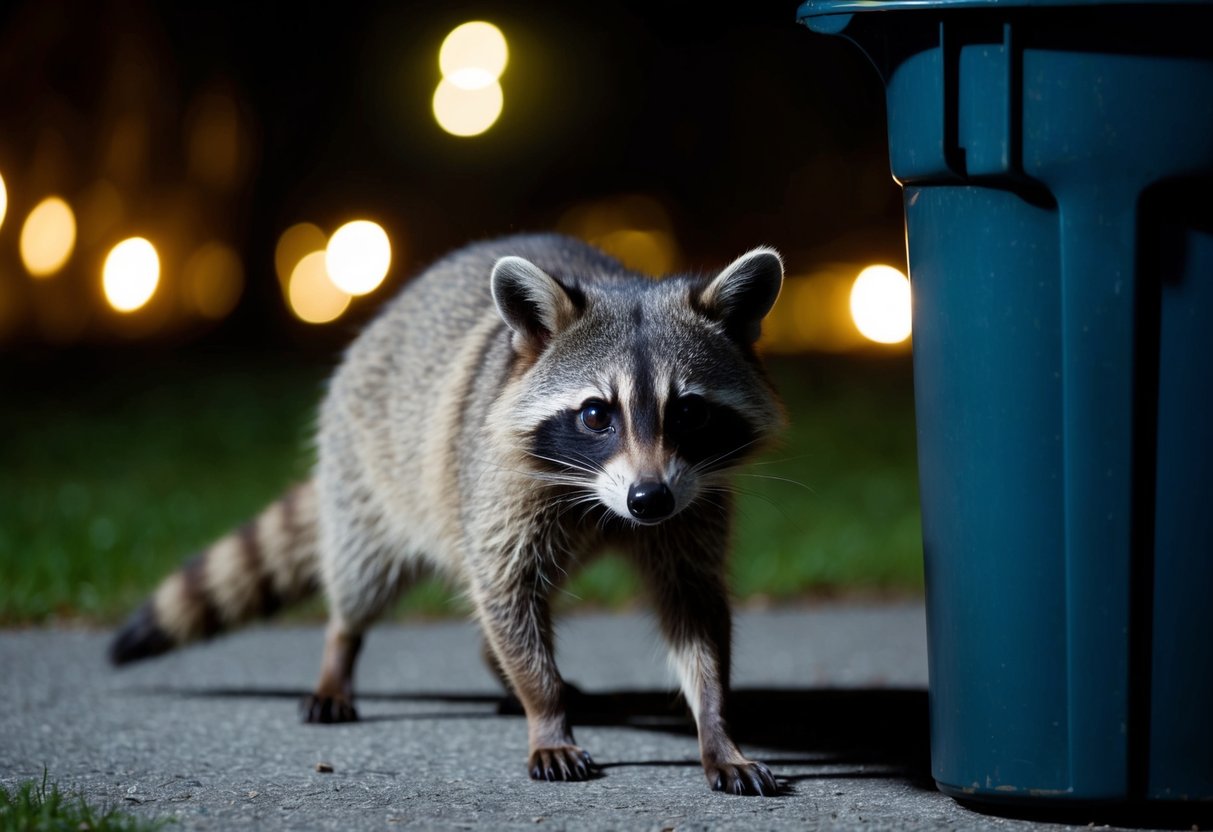
Meeting a raccoon can pose several risks to your health, your pets, and your property. Understanding these dangers can help you know how to handle a situation if you encounter one.
Health Risks from Diseases
Raccoons can carry several diseases that may affect humans. One major concern is rabies, a viral infection that impacts the nervous system. If a raccoon bites you, there is a risk of rabies transmission, which can be deadly.
Another worry is raccoon roundworm, which can infect people if they come into contact with raccoon feces. Symptoms include respiratory issues and neurological problems. Leptospirosis is another illness linked to raccoons. This bacterial infection can spread through water contaminated with the urine of infected animals, leading to severe liver and kidney problems. You must wash your hands thoroughly after any contact with areas where raccoons may have been.
Aggressive Interactions and Attacks
While raccoons do not usually attack without provocation, they can become aggressive if they feel threatened. They have sharp teeth and claws that can inflict serious injuries. If a raccoon shows signs of aggression, such as hissing or charging at you, it’s best to back away slowly.
Remember that raccoons exhibiting erratic behavior might be sick, which increases the risk of aggressive actions. If a raccoon is acting strangely, avoid it and keep your distance. Always treat these encounters with caution to prevent potential attacks.
Risks to Pets and Property
Raccoons can also pose threats to your pets. They may attack dogs and cats, especially if cornered or feeling threatened. Canine distemper, which raccoons can carry, is another concern. It can affect your pets if they come into contact with infected raccoons.
In addition to health risks, raccoons can cause property damage. They often rummage through trash, creating a mess and attracting other pests. They can damage roofs, decks, or garages when searching for a place to nest. Making your property less inviting can help reduce the likelihood of a raccoon encounter.
Effective Raccoon Deterrence and Control

Keeping raccoons away from your property is key to maintaining a safe and pleasant environment. You can take practical measures at home and garden and consider professional help when needed. Here’s how you can make your space less attractive to these animals.
Home and Garden Protection Strategies
To deter raccoons effectively, start with your home. Secure your trash cans with tight-fitting lids, as raccoons are known for rummaging through garbage for food. You might also want to avoid leaving pet food outside at night.
In your garden, use motion-activated lights to scare away any nighttime visitors. Raccoons prefer dark spaces, so bright lights can make your yard less inviting.
Planting certain herbs like mint around your garden can help too, as raccoons dislike strong scents. Also, consider fencing your garden with materials tall enough to prevent raccoons from climbing over. Regular upkeep of your outdoor space can deter these animals from making it their home.
Professional Wildlife Removal Services
Sometimes, raccoons may invade your space despite your best efforts. In such cases, you may need to contact wildlife professionals. They know how to handle raccoons safely.
Look for services that specialize in animal control and have a good reputation. These experts can help with raccoon removal, ensuring you don’t have to deal with potentially rabid raccoons. Rabid raccoons may show signs like foaming at the mouth.
By hiring professionals, you can ensure that the raccoons are removed humanely and effectively. They can also provide advice on preventing future intrusions, making your home safer for you and your family.


