
Raccoons are often seen rummaging through trash and exploring backyards. While they can be adorable and entertaining, you must remember that they can eat foods that are harmful to their health. Some common toxic foods for raccoons include chocolate, grapes, avocados, and anything with caffeine. Being aware of these dangerous items can help you keep raccoons safe in your area.
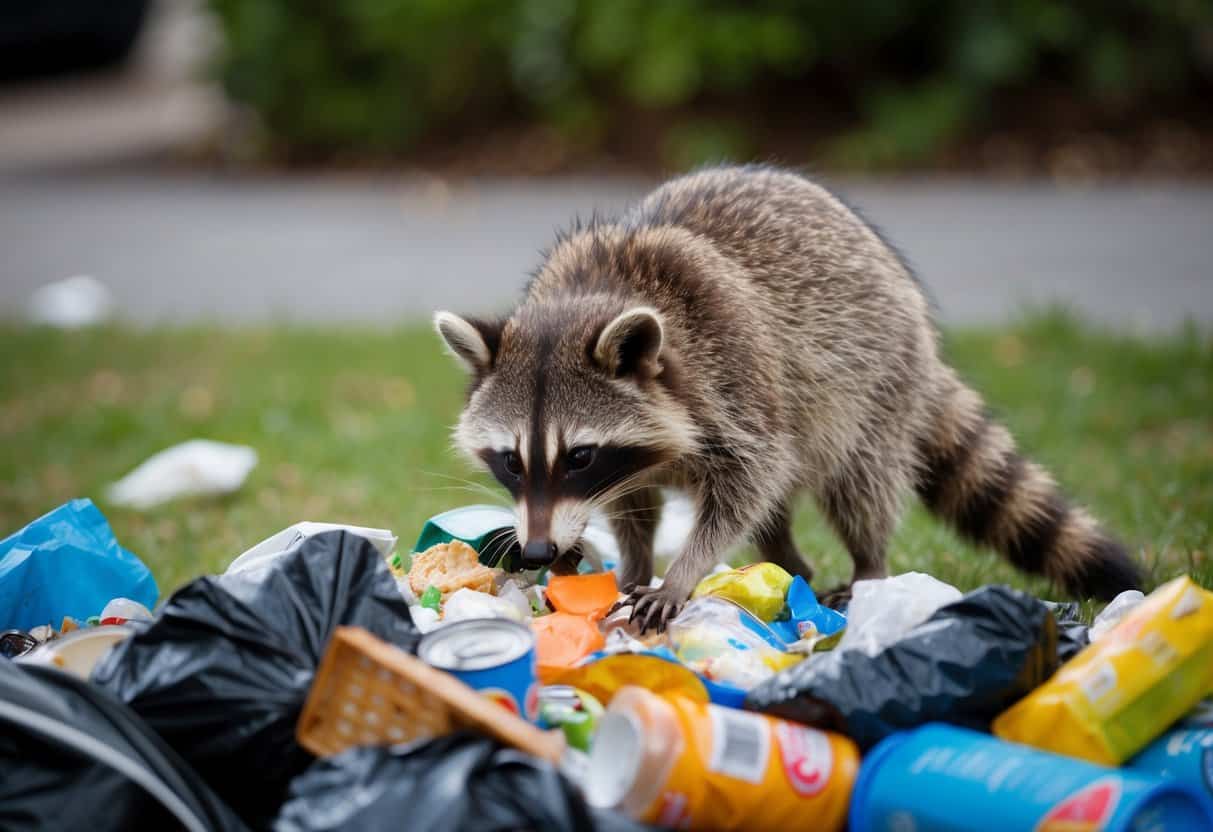
If you enjoy feeding wildlife, you might be tempted to share your snacks with these furry creatures. However, many human foods can lead to serious health problems for raccoons. Items like fruit pits and certain vegetables can have harmful effects that you might not expect.
Understanding what foods to avoid will not only protect their health but also maintain their natural foraging behaviors.
Taking the time to learn about what raccoons cannot eat is crucial for their safety and well-being. By making informed choices, you help ensure these playful animals stay healthy while enjoying their time in your yard.
Let’s dive into the foods that pose a risk to raccoons and how you can contribute to their safety.
Common Household Foods That Are Dangerous to Raccoons
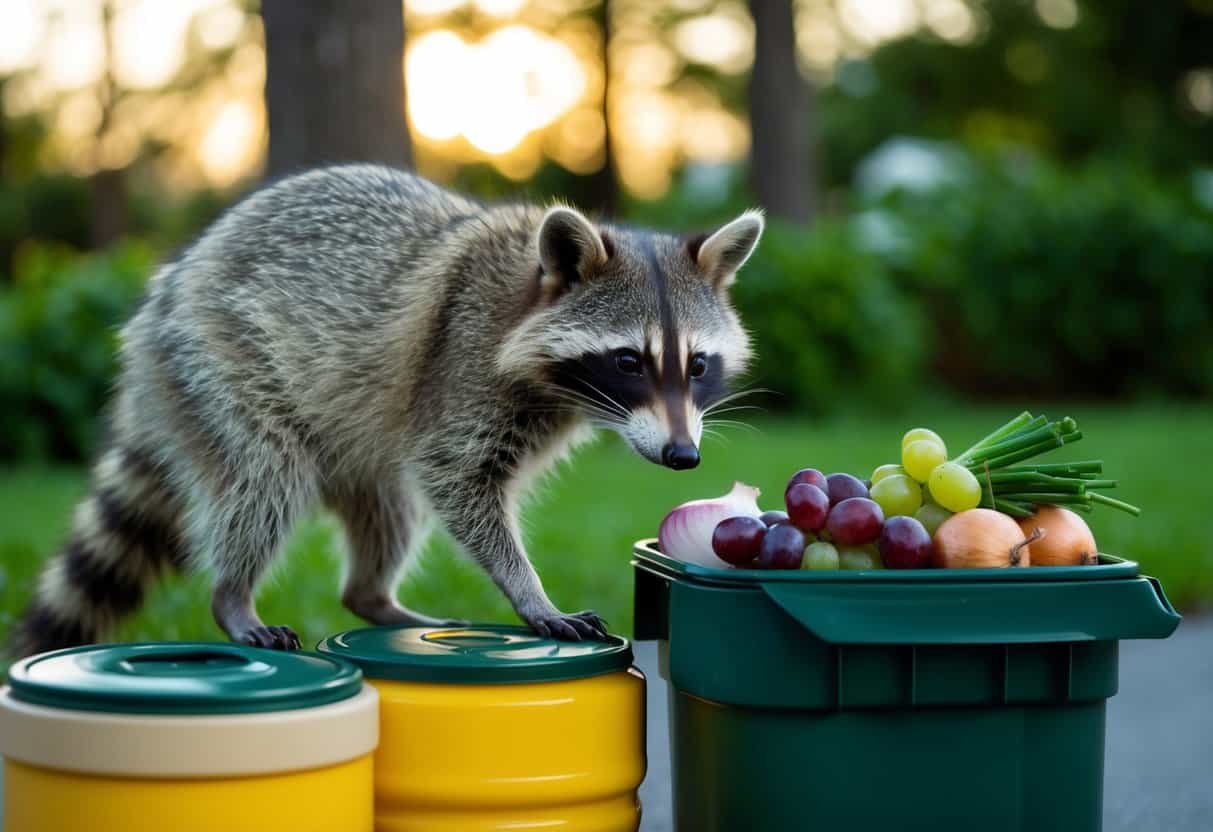
Certain household foods can be harmful to raccoons. It’s important to know which items to avoid so you can ensure their safety and health. Here are some key categories of foods that raccoons should not consume.
Understanding Theobromine and Caffeine Toxicity
Chocolate, coffee, and cocoa contain compounds called theobromine and caffeine. These substances are toxic to raccoons. Even small amounts of chocolate can lead to serious health problems. Signs of toxicity may include vomiting, diarrhea, increased heart rate, and even seizures.
Your pet raccoon may be curious about your sweet treats, but you should keep all chocolate and coffee products safely stored away. It’s better to prevent any risk than to deal with the consequences later.
Risks of Fruits and Nuts for Raccoons
Some fruits and nuts can also harm raccoons. Grapes and raisins are particularly dangerous. They can lead to kidney failure in some animals, including raccoons.
Nuts like macadamia nuts are toxic and can cause symptoms such as weakness, tremors, and vomiting. Avocados are another food to avoid due to a substance called persin, which can be harmful. Always be cautious with treats and only offer safe options.
Vegetables and Spices to Keep Away from Raccoons
Certain vegetables and spices can pose serious health risks. Garlic and onions can be particularly harmful, as they may cause gastrointestinal distress and damage to red blood cells.
Even though these might be common cooking ingredients, it’s essential to keep them away from raccoons. Spices in general can upset their stomachs and lead to discomfort. Avoid feeding any leftovers that may contain these ingredients.
Dairy and Sugary Foods Impact on Raccoon Health
Dairy products like cow’s milk can lead to digestive issues in raccoons. Many animals are lactose intolerant, which means they may not digest milk properly. This can result in diarrhea and other problems.
Sugary foods like candies and chips can contribute to obesity and dental issues. Although they may seem like tasty treats, they offer little nutritional value and pose health risks. It’s best to stick to natural foods that are safe for raccoons whenever possible.
Effects of Improper Feeding on Raccoon Health
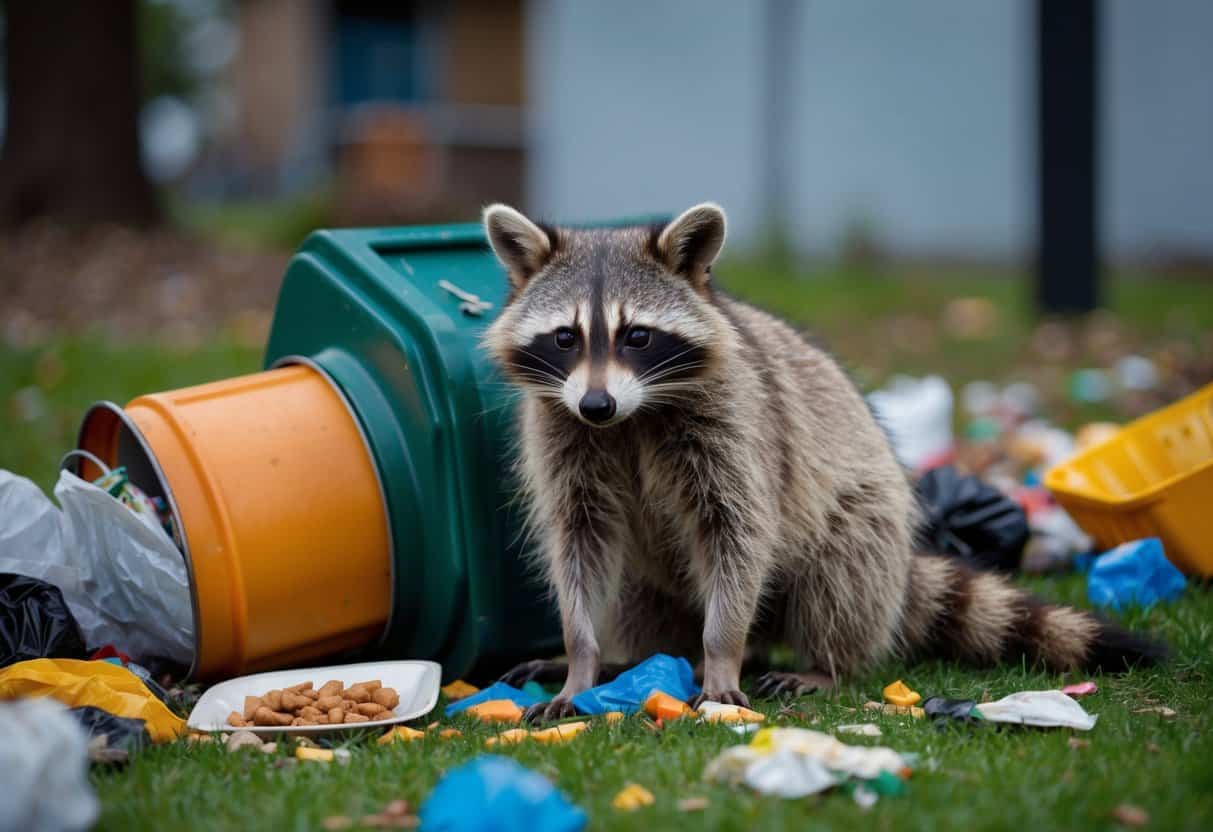
Feeding raccoons improperly can lead to serious health problems. Understanding the specific issues caused by toxic foods, as well as the broader impact of human food on their diets, is crucial for their wellbeing.
Specific Health Issues Linked to Toxic Foods
Certain foods are dangerous for raccoons. For instance, chocolate can cause hemolytic anemia, which destroys red blood cells. This may lead to weakness and lethargy.
Onions and garlic can also be harmful, potentially causing damage to their red blood cells. This can result in serious complications like liver failure. Furthermore, foods high in sugar and salt can lead to obesity, which poses risks of diabetes and heart disease.
It’s important to remember that raccoons rely on specific nutrients from their natural diet. Providing them with human food often disrupts this balance. Therefore, always think about what you’re feeding them.
The Impact of Human Food on Raccoon Diets
When you feed raccoons human food, it can significantly alter their natural eating habits. Raccoons are opportunistic feeders and eat a variety of foods found in the wild. These include fruits, insects, and small animals.
By introducing processed foods, you risk making them dependent on human sources. This can hinder their ability to forage properly for natural foods in the wild. Over time, this dependency can cause them to miss out on essential nutrients vital for their health.
Additionally, wildlife experts recommend against feeding raccoons. It can attract more animals and create unhealthy interactions. Keeping their diets natural helps maintain their health and supports local ecosystems.
Protecting Raccoons and Humans: Safe Interaction
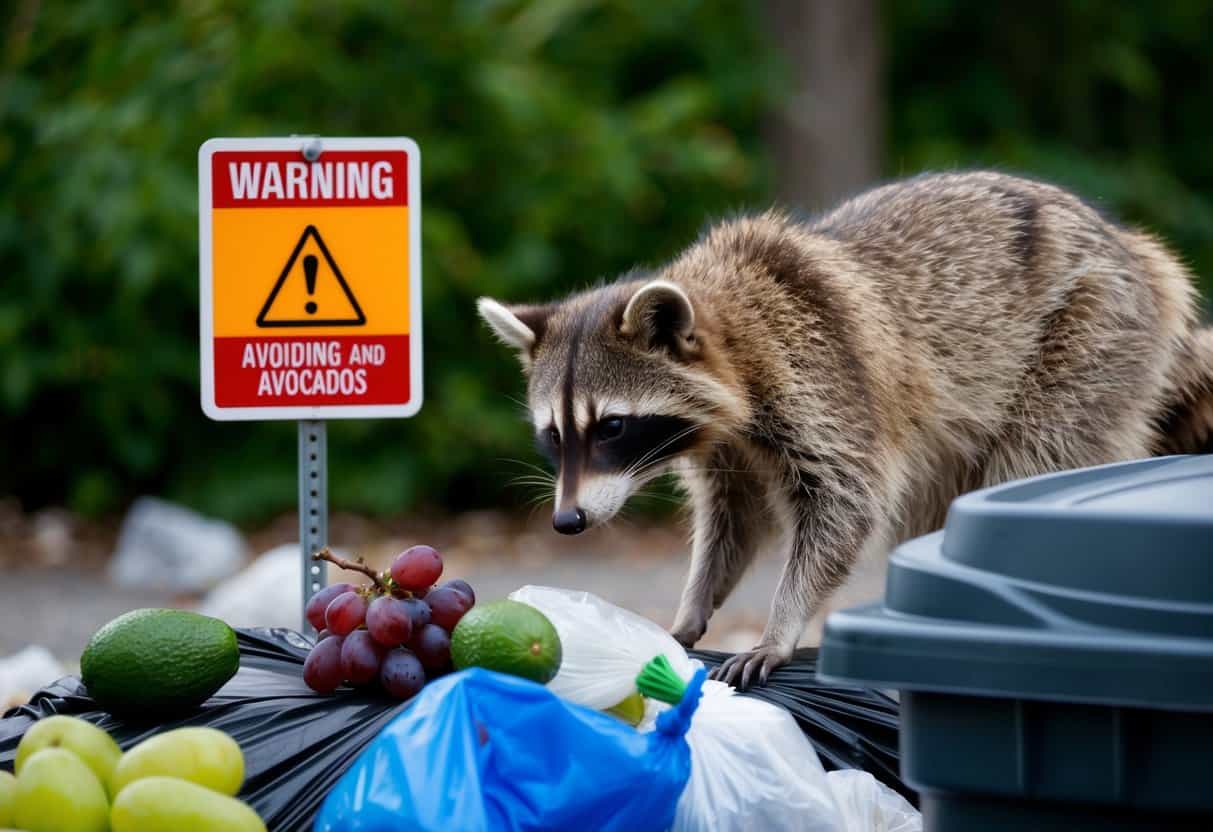
To foster a safe environment for both raccoons and humans, it’s essential to understand what these animals typically eat and how to manage interactions effectively. Proper practices can help prevent health risks and promote peaceful coexistence.
Understanding Raccoons’ Natural Diet
Raccoons are omnivores with a varied diet. They typically consume fruits, vegetables, fish, and different types of invertebrates and vertebrates. Some common food sources include:
- Fruits: Berries, apples, and grapes are favorites.
- Vegetables: They enjoy corn and squash.
- Protein: Raccoons may eat fish, frogs, and even carrion when available.
With their strong digestive systems, raccoons can process a wide range of foods. However, providing access to human food can lead to health issues like salmonella infections and can potentially transmit zoonotic diseases. This highlights the importance of keeping food waste securely stored and out of reach.
Best Practices for Wildlife Control and Rehabilitation
Effective wildlife control involves managing food sources and habitats to minimize interactions. Here are some best practices:
- Secure Trash: Animal-proof containers can keep food waste from attracting raccoons.
- Remove Food Sources: Clear away pet food and fallen fruit to discourage visits.
- Education: Teach children and neighbors about safe practices with wildlife.
For those involved in wildlife rehabilitation, understanding raccoon diets is crucial. Rehabilitation efforts should prioritize natural foods that mimic their wild diet. This includes plant matter and small animals. This helps maintain their health and increases their chances of survival once released.


