
Raccoons are fascinating creatures that often catch your eye with their playful behavior. You might wonder about their health and safety, especially concerning diseases like rabies.
Raccoons can carry rabies, a serious zoonotic disease that poses a public health concern. Understanding the risks associated with rabies in these wild animals is important for protecting yourself and your community.
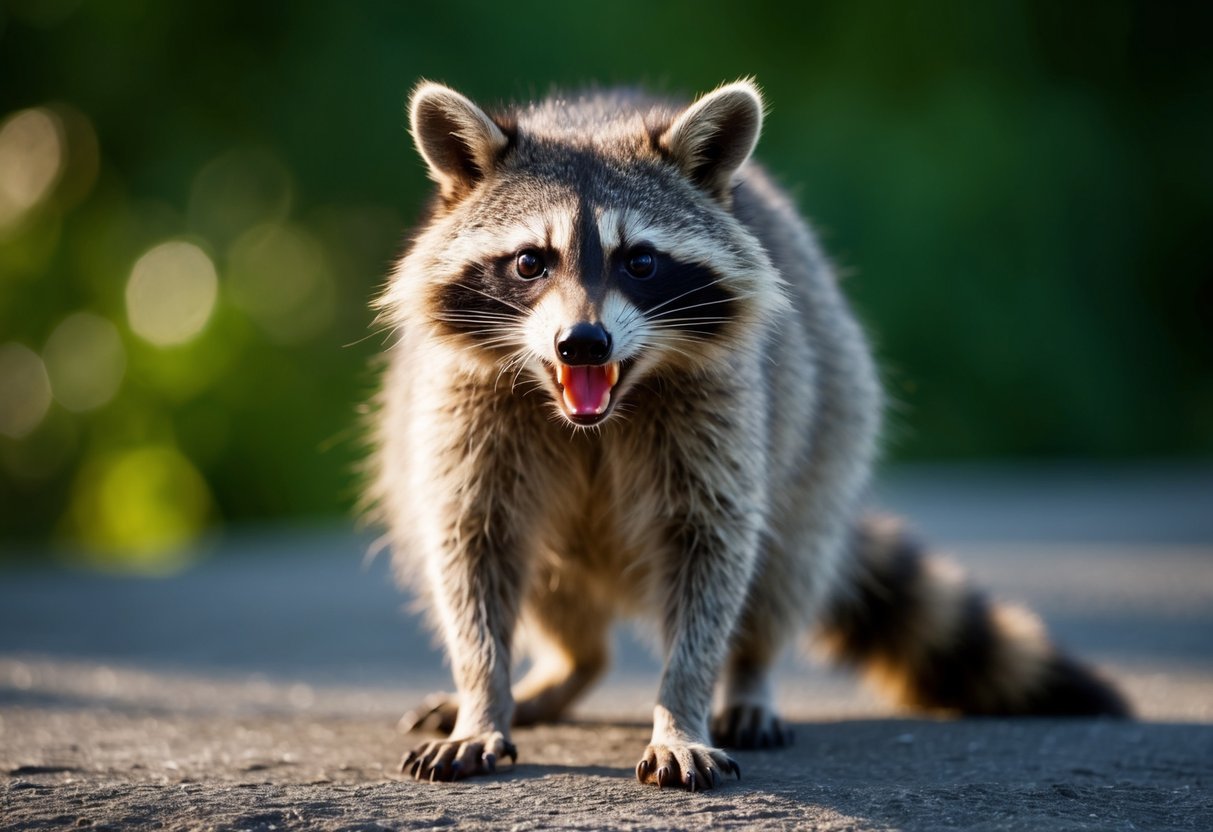
As you encounter raccoons in your neighborhood or local parks, it’s good to be aware of how rabies spreads and what signs to watch for.
While the number of rabies cases in raccoons can vary, knowing the facts helps you stay informed. By learning more about this disease, you can enjoy the presence of wildlife while keeping safety a priority.
Understanding Rabies in Raccoons

Rabies is a serious disease that affects raccoons and can pose risks to humans and pets. Knowing how the rabies virus impacts raccoons and recognizing the signs of infection can help you stay safe and informed.
The Rabies Virus and Its Effects
The rabies virus is a life-threatening virus that targets the central nervous system of infected animals. Once a raccoon becomes infected, the virus spreads rapidly through their body. It often starts in the brain, causing severe neurological issues that can lead to death if untreated.
Raccoons are commonly found as carriers of this virus. They can contract rabies through bites from other infected animals, leading to problems for wildlife and humans. Most vaccinated pets are protected, but it’s crucial to keep them away from wild animals to minimize risks.
Signs of Rabies in Raccoons
You may notice specific signs of rabies in raccoons that indicate they are infected. Common symptoms include:
- Foaming at the mouth: This is a classic sign and suggests severe disease.
- Erratic behavior: Rabid raccoons may act strangely, showing aggression or confusion.
- Disorientation: You might observe them walking in unsteady paths or stumbling around.
Raccoons with rabies often lose their natural fear of humans, which is unusual. If you see a raccoon exhibiting these behaviors, it’s important to keep your distance and avoid interaction.
Raccoon Behavior and Rabies
Normal raccoon behavior is often nocturnal and social. However, rabid raccoons can display alarming changes. They may wander around during the day, which is not typical.
Their abnormal behavior includes aggression towards other animals and humans. You should also be aware that rabid raccoons might appear friendly at first. This friendliness can quickly turn to hostility, making their behavior unpredictable. If you notice signs of rabies, do not attempt to handle the raccoon. Contact local wildlife authorities for assistance instead.
Prevention and Control of Rabies
Preventing and controlling rabies is vital for public health and safety. You can take specific steps to help minimize the risk of rabies infection in your community.
Rabies Vaccination Programs
Vaccination is a key method to control rabies, especially among pets and wildlife.
Regular rabies vaccinations for dogs and cats can significantly lower the chances of rabies spreading. Pet owners should ensure their pets receive the rabies vaccine according to local guidelines.
Local governments often run vaccination clinics for pets. You can check with your area’s animal control for upcoming events.
Wildlife vaccination programs, such as baiting with oral rabies vaccines, are also effective. These methods help reduce rabies cases in wild raccoons, skunks, and other animals.
Public Awareness and Education
Public awareness campaigns play a crucial role in rabies prevention. Educating yourself and others about the signs of rabies in animals can help.
For example, aggressive behavior in raccoons or other wildlife may indicate illness.
Knowing how to react is essential. If you see an animal acting strangely or attacking, keep your distance. Reports and education materials from local health departments can help you stay informed.
Schools and community organizations can also promote learning about rabies and safe interactions with wildlife.
Wildlife Control Measures
Controlling wildlife populations is important in preventing rabies.
You can take steps like avoiding feeding raccoons and other wild animals. Feeding them can encourage them to live near human habitation, which increases the risk of transmission.
Working with animal control can help manage raccoon populations safely. Setting up fenced areas can protect pets and encourage wildlife to stay away. Additionally, securing garbage and other potential food sources will reduce interactions with wild animals. Understanding these measures helps keep both your family and local wildlife safe.
What to Do If You Encounter a Raccoon
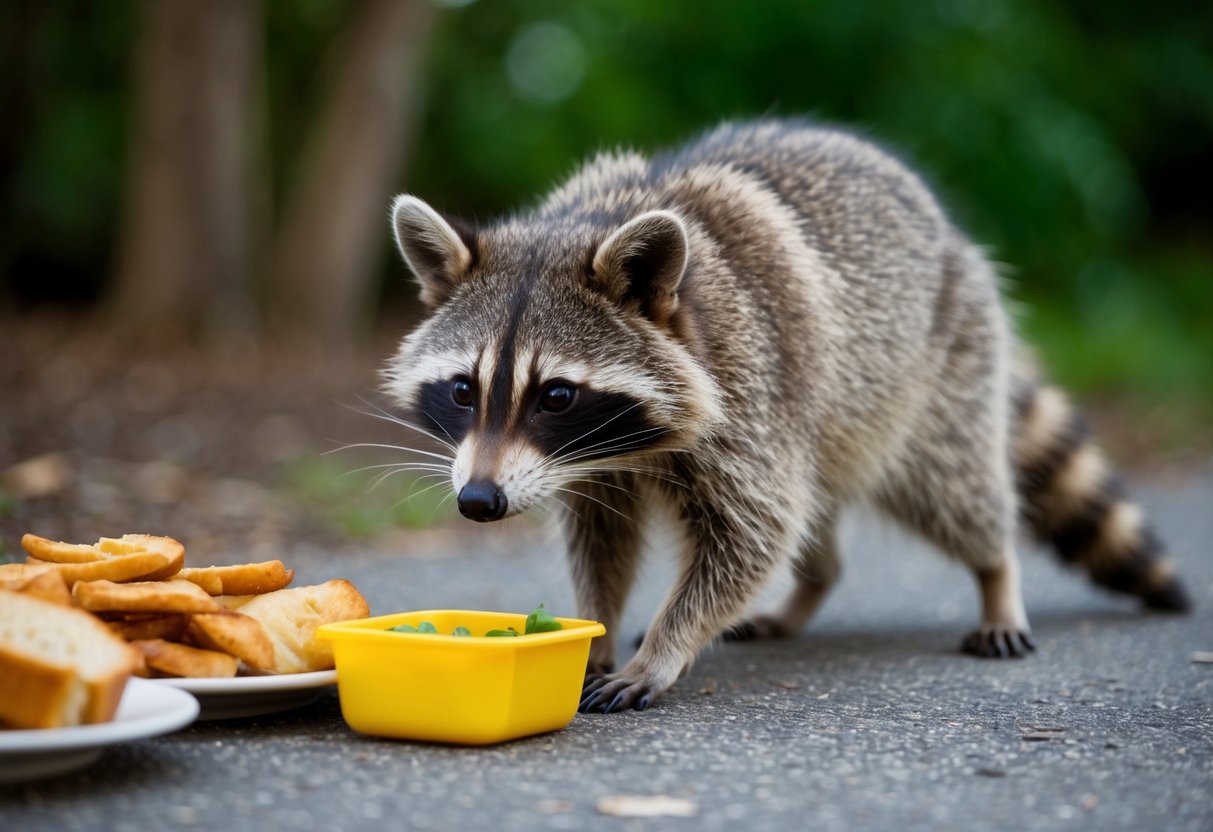
Meeting a raccoon can be surprising, especially if the animal is acting strangely. Knowing how to interact safely with wildlife is important. If you feel you may have been exposed, it’s essential to follow proper steps.
Safe Interaction with Wildlife
When you see a raccoon, keep your distance. These animals are known to carry rabies, a serious public health concern. If the raccoon appears sick or is out during the day, it might be unhealthy.
Do not approach or try to feed the raccoon. Avoid any direct contact to reduce the risk of bites or scratches.
If a raccoon gets too close, remain calm and back away slowly.
If you notice unusual behavior, such as foaming at the mouth or aggression, do not attempt to help. Instead, contact a wildlife expert or your local animal control agency for assistance. They have the training to handle wildlife safely.
Steps to Take After Potential Exposure
If you are bitten or scratched by a raccoon, take immediate action.
Clean the wound thoroughly with soap and water for at least 15 minutes. This is crucial in reducing the chance of infection.
Next, seek medical attention right away. Inform the healthcare provider about the incident. They may recommend post-exposure treatment for rabies based on the situation.
Document what happened and, if possible, report it to local health authorities. This helps track potential rabid animals in your area.
Raccoon Ecology and Public Safety
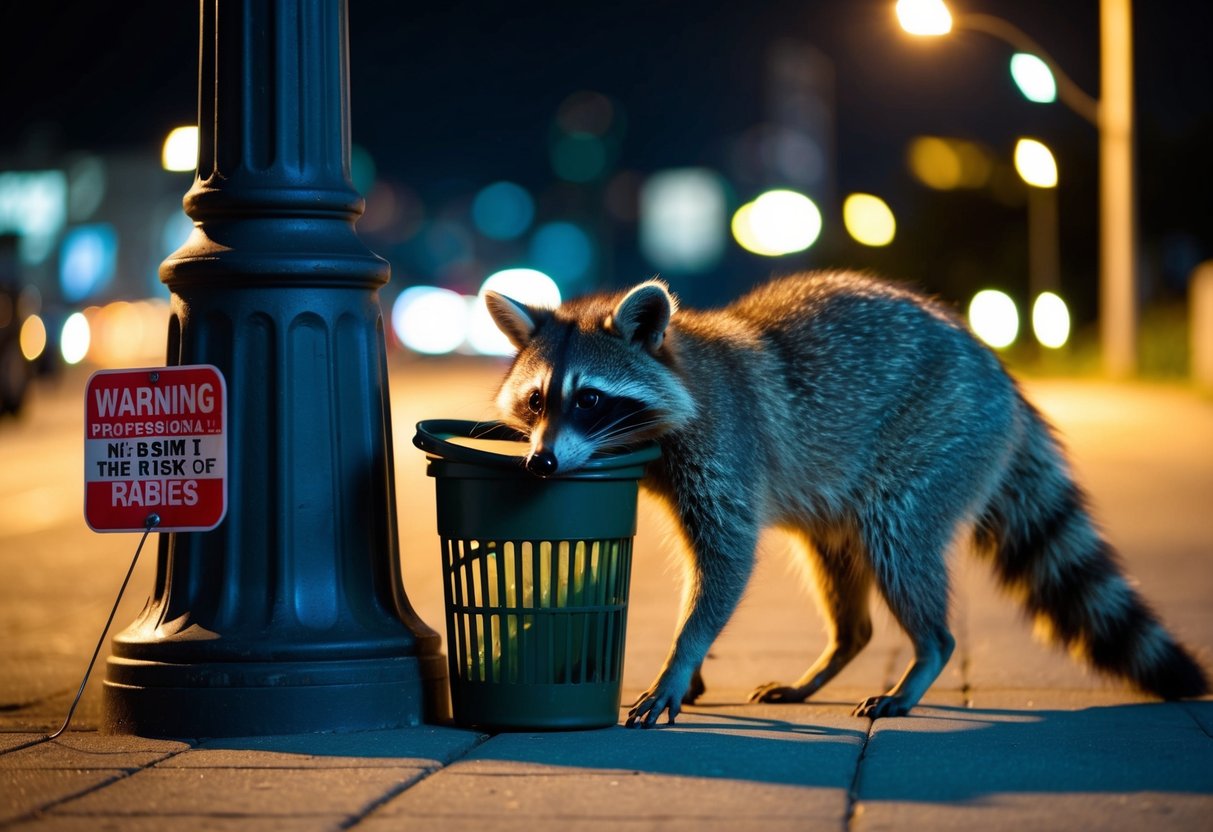
Understanding raccoon ecology helps in recognizing the importance of managing their populations for public safety. These animals thrive in urban settings, which can increase risks to human health.
Raccoon Population and Habitat
Raccoons are highly adaptable creatures. You will often find them in urban areas, where they can access food sources easily. They prefer habitats near water, such as parks and residential areas.
Wild raccoons are nocturnal animals, meaning they are most active at night. This can lead to encounters with humans as they search for food in garbage cans or gardens.
A growing raccoon population can lead to more interactions with people. It’s vital to keep your trash secured and avoid leaving pet food outside to reduce these encounters.
Associated Health Risks
Raccoons can transmit various diseases, so it’s important to be cautious around them. Rabies is a significant concern, as raccoons are known carriers. If you see a raccoon acting strangely, it should not be approached.
Raccoon feces can contain harmful parasites like baylisascaris. This roundworm can lead to severe health issues if humans accidentally ingest contaminated soil. It’s essential to keep areas where children play clean.
They may also carry leptospirosis, which can spread through urine. This disease can affect humans and pets alike. Taking precautions when outdoors, especially in areas where raccoons are active, helps keep you and your family safe.


