
Raccoons are common sights in both urban and suburban areas. While they often seem cute and curious, you might wonder if they can be dangerous to you or your pets. In most cases, raccoons will not initiate harm, but they can pose risks if they feel threatened or if they carry diseases.

Understanding raccoon behavior can help you stay safe. These nocturnal animals mainly come out at night and may rummage through trash or look for food in your garden. If they feel cornered or if you have a pet nearby, they may react defensively.
This makes it important to know how to coexist safely with this wildlife.
Keeping your environment secure and knowing when to call for help can go a long way in preventing negative encounters. The key is to respect their space while ensuring yours is protected from potential conflicts.
Understanding Raccoons

Raccoons are fascinating creatures that exhibit unique behaviors and live in various habitats. Knowing more about their habits and living conditions can help you understand them better.
Raccoon Behavior
Raccoons are nocturnal animals, meaning they are most active at night. This behavior helps them avoid predators and find food when it’s less competitive. You might notice raccoons rummaging through trash cans in search of something to eat.
Raccoons are also very curious and intelligent. They can solve problems to access food or gain shelter. This cleverness sometimes leads to encounters with humans. While they may not be naturally aggressive, a raccoon can bite if it feels threatened or cornered.
Awareness of these behaviors can help you avoid attracting them to your property and experiencing a potential raccoon infestation.
Raccoon Habitats
Raccoons are adaptable and can live in diverse places. They thrive in urban areas, forests, and even wetlands. In cities, you might see them near parks where food is plentiful.
These animals often make their homes in hollow trees, abandoned buildings, or attics. They prefer areas that provide shelter and easy access to food. If you find raccoons in your area, it’s important to secure waste and prevent easy access to food sources to keep them away.
Understanding their habitats can help you protect your home and pets from unwanted visits.
Risks Associated with Raccoons

Raccoons can sometimes pose health and safety risks to you and your property. Understanding these risks can help you take the necessary precautions to avoid potential harm.
Diseases Carried by Raccoons
Raccoons can carry several dangerous diseases that can affect you and your pets. One of the main concerns is rabies, a viral disease that can be fatal. Approximately 30% of raccoons may carry this virus.
Other diseases include leptospirosis, which can lead to serious health problems, and salmonella, which can contaminate food and water.
Raccoon roundworm is another risk. This parasite can be spread through raccoon feces and can cause severe neurological issues in humans. Canine distemper, while primarily affecting dogs, can also pose a threat if a raccoon is infected and comes into contact with your pets.
It’s important to avoid contact with raccoons to reduce these risks.
Potential for Aggression
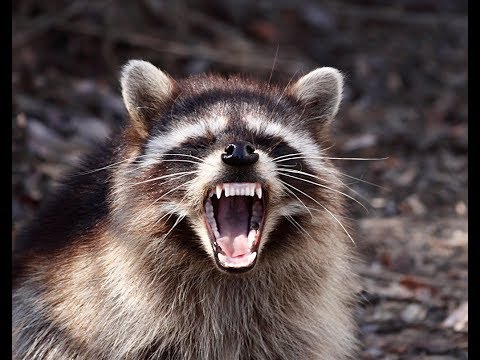
While raccoons can look cute, they can also be aggressive, especially if they feel threatened. If you corner a raccoon or come across a mother with her young, it might attack in self-defense.
Signs of aggression include hissing, growling, or showing teeth. If you see a raccoon acting strangely or aggressively, it’s best to back away slowly. Avoid feeding or approaching them to reduce the chance of an aggressive encounter.
Property Damage
Raccoons can cause significant damage to your property. They are known for tearing through roofs, insulation, and siding. This behavior often happens when they are searching for food or a place to nest.
In addition to structural damage, raccoons can also dig through trash cans, creating a mess in your yard. Securing your trash and removing food sources can help deter them from invading your space.
Taking these steps can protect your home and help you avoid unwanted costs.
Preventing and Handling Raccoon Encounters
Knowing how to protect yourself, your pets, and your property from raccoons is important. Raccoons are generally not aggressive, but taking precautions can help you avoid any negative encounters.
Safeguarding Your Home and Pets
To prevent raccoons from coming to your yard, keep your trash cans tightly closed. Use containers with secure lids to stop them from foraging.
Make sure to remove any pet food left outside. Raccoons smell food from far away and will investigate if they catch a whiff.
Consider using repellents, like motion-activated sprinklers or other natural deterrents. You can also install fences, but ensure they are buried a little underground to keep raccoons from digging underneath.
If you have pets like dogs or cats, supervise them outside, especially at night. Be mindful that raccoons can scare small pets.
What to Do During a Raccoon Encounter
If you see a raccoon nearby, stay calm and avoid sudden movements. Raccoons often show curiosity and may just be exploring.
Do not approach or try to touch the raccoon. Instead, quietly back away to give them space.
If the raccoon seems aggressive, like hissing or growling, contact animal control for help. It’s best not to engage with a frightened animal.
If the raccoon enters your property and refuses to leave, consider calling a professional for raccoon removal. DIY removal can be risky, so it’s often safer to let experts handle it.
When to Seek Professional Help

If you encounter a raccoon that seems aggressive, sick, or injured, it’s important to seek professional help. Here are some situations where you should take action:
-
Illness or Injury: If the raccoon appears to be hurt or unwell, contact a wildlife rehabilitation center. They have the expertise to care for the animal properly.
-
Aggression: If the raccoon approaches you in a threatening manner, keep your distance. Call animal control or a raccoon removal service to handle the situation safely.
-
Presence in Urban Areas: Raccoons in cities can be more unpredictable. If one seems to have taken up residence near you, it’s best to reach out to pest control for assistance.
-
Babies or Family Groups: If you see young raccoons alone, don’t intervene. It’s often best to let the mother return. Contact wildlife rehabilitation for guidance.
-
Zoonotic Diseases: Raccoons can carry diseases like rabies. If bitten or scratched, seek medical attention immediately. This helps protect your health and allows for proper treatment.


