
Raccoons, particularly the common raccoon known as Procyon lotor, have become a rising concern as invasive species in various parts of the world. Their adaptability and resourcefulness allowed them to thrive in environments where they were not originally found. You might wonder how these clever creatures made their way into new territories, causing disruptions in local ecosystems and outcompeting native wildlife.

The journey of raccoons from their native habitats to becoming invasive began with human activities. Whether through the exotic pet trade or accidental releases, raccoons found themselves in areas where they could flourish. As they adapted to new surroundings, their impact on biodiversity became evident, leading to challenges for local species.
Understanding the reasons behind raccoon invasions can help you appreciate the balance of nature and the importance of protecting native wildlife. As you read on, you’ll discover the fascinating story of how these critters transformed into one of the unexpected invaders of our time.
Historical Spread Across Continents

Raccoons have a rich history of movement across continents that has made them well-known invasive species today. Their journey began in North America and expanded into Europe and Japan, where they adapted and thrived in new environments.
North American Origins of Raccoons
Raccoons are native to North America, where they have lived for thousands of years. Native Americans and early settlers hunted them for their fur and meat. This adaptation to human presence allowed raccoons to thrive in various habitats, from urban areas to forests.
Their strong foraging skills enable raccoons to find food in diverse environments. They often raid garbage cans, making them common sights in suburban neighborhoods. Their success in North America established a population that grew rapidly, paving the way for future introductions elsewhere.
Introductions to Europe and Japan
In the 1930s, raccoons were intentionally introduced to Europe, mainly in Germany, as a source of fur for the fur industry. These introductions led to populations escaping or being released into the wild. Raccoons rapidly adapted to European environments, leading to a dramatic population increase.
In Japan, raccoons were introduced in the 1970s as exotic pets. Unfortunately, many were released or escaped, resulting in a growing population. Their presence in Japan has raised concerns about disease spread and competition with local wildlife.
Raccoons as Invasive Alien Species
Raccoons are now considered invasive alien species in both Europe and Japan. Their ability to reproduce quickly and adapt to new environments allows them to dominate local ecosystems.
In Europe, researchers warn about the potential spread of diseases like rabies among native wildlife. The Invasive Alien Species Act aims to control such species, but managing raccoon populations remains a challenge. In Japan, the raccoon dog also faces competition from the growing raccoon populations.
Controlling raccoons is crucial to protecting local species and habitats. Understanding their historical spread can help in planning effective management strategies.
Raccoon Adaptability and Ecological Impact

Raccoons are highly adaptable animals that thrive in various environments. Their diet and behavior allow them to fit into urban areas and natural habitats alike. This adaptability can have significant effects on local ecosystems and wildlife.
Omnivorous Diet and Habitat Flexibility
Raccoons are omnivores, which means they eat a wide range of foods. Their diet includes insects, fruits, small mammals, and even human food scraps. This flexibility helps them survive in diverse habitats, from forests to urban neighborhoods.
In urban areas, raccoons scavenge for food around trash bins and parks. Their ability to find food in human environments increases their population numbers. This adaptability contributes to their role in maintaining biodiversity as they consume various food sources that other predators might not.
Impact on Native Wildlife and Ecosystems
Raccoons can influence native wildlife in significant ways. As opportunistic feeders, they may compete with local predators for food and resources. Their presence can lead to lower populations of smaller mammals and birds that share their habitat.
Additionally, raccoons may introduce diseases to native species. They are known carriers of diseases such as raccoon roundworm, which can affect both wildlife and domestic animals. This creates a ripple effect throughout the ecosystem, potentially impacting biodiversity and species health.
Interactions With Human Environments
Your interactions with raccoons might happen more often than you realize. These animals often invade gardens and crops, causing damage while searching for food. They can be particularly troublesome for farmers, as raccoons dig up plants and eat fruits or vegetables.
Urban areas provide raccoons with ample food sources. They navigate neighborhoods, often seen raiding garbage cans or rummaging through pet food left outside. This closeness to humans can lead to more conflicts, making it essential to manage waste properly to minimize these encounters.
Genetic Factors in Raccoon Proliferation

Raccoons have become highly successful invasive species in various regions. This success can be partly attributed to their genetic adaptability, which helps them thrive in new environments. Understanding genetic factors can shed light on their rapid expansion.
Genetic Diversity and Adaptation Strategies
Genetic diversity plays a crucial role in how raccoons adapt to different environments. The more diverse the genetic makeup, the greater the chances for individuals to survive and reproduce under changing conditions.
Genetic analysis shows that raccoons exhibit a range of polymorphisms in their DNA, allowing for various traits to emerge. This adaptability is evident among feral raccoons, where effective admixture among different populations occurs. High genetic diversity can result from founder events when a few individuals establish a new population. Such events often lead to a genetic bottleneck, where certain traits may become more prominent.
Tools like microsatellite analysis help researchers track genetic markers in different subpopulations, revealing important insights into survival strategies.
Mitochondrial DNA and Population Structure
Mitochondrial DNA (mtDNA) studies offer useful information about raccoon lineage and migration patterns. These studies indicate distinct haplotypes across populations, reflecting patterns of geographical differentiation.
By examining the d-loop region of mtDNA, scientists can trace the ancestry and distribution of raccoon subgroups. Phylogeographic studies demonstrate how raccoons spread across various territories. The genetic population structure indicates that certain regions harbor unique genetic traits. This structure can influence management units for biodiversity conservation.
Such knowledge helps in controlling zoonosis and understanding their ecological impact. Understanding mtDNA and genetic differentiation in raccoons is key to implementing successful control measures.
Cultural and Media Influence on Raccoon Perceptions
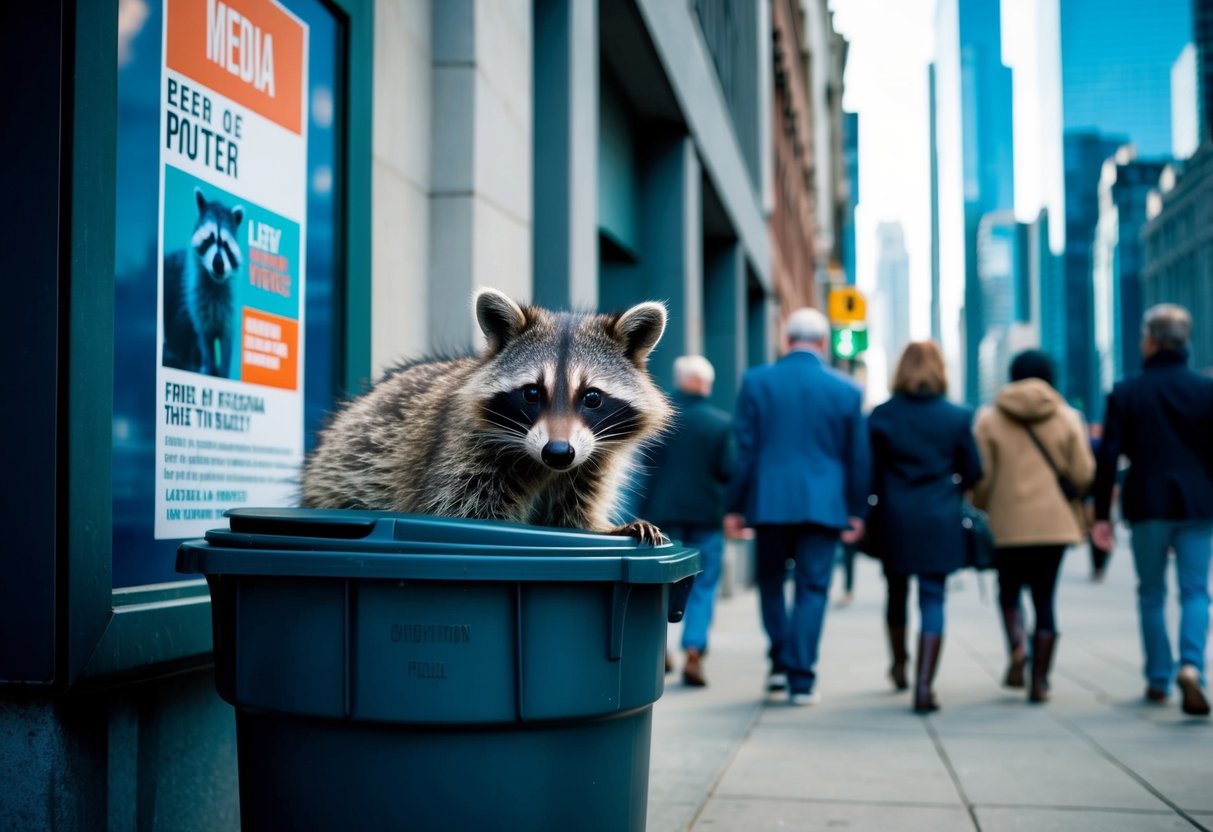
Raccoons have a unique place in culture and media. From folklore to popular shows, these animals have been depicted in many ways. Their portrayal affects how people view and understand them today.
Raccoons in Folklore and Pop Culture
Raccoons appear in various folk tales and stories. They are often seen as clever creatures. This reputation has helped shape their image over the years. For example, the character Rascal from the book Rascal: A Memoir of a Better Era by Sterling North introduced many to raccoons as loving pets.
In Japan, raccoons are known as “araiguma.” This translates to “washing bear,” referring to their habit of dipping food in water. This cultural perspective is reflected in several anime series and cartoons, where raccoons are shown as cute and endearing.
Animated films and live-action movies also feature raccoons, strengthening their popularity further. The more raccoons are shown as friendly companions, the more they capture hearts and imaginations.
Effect of Media on Raccoon Popularity
Media plays a key role in shaping how you view raccoons. Popular TV series feature them as mischievous yet lovable characters. These portrayals often overlook their role as invasive species, leading to mixed feelings among the audience.
The success of raccoon-focused animated series and films boosts their visibility. When you see raccoons in engaging narratives, it makes you more likely to appreciate them. This acceptance can lead to a desire to keep them as pets, as seen with pet raccoons in households.
As these animals gain more exposure in various media, the line blurs between their wild nature and the playful personas portrayed. This creates both admiration and concern regarding their impact as invasive species in some areas.


