
If you’ve ever wondered about the eating habits of raccoons, you’re not alone. These curious creatures are known for their diverse diet. Raccoons do indeed eat rats, especially in urban areas where both animals often encounter each other. As omnivores, raccoons can adapt to various food sources, making them effective at pest control in places where rodents thrive.
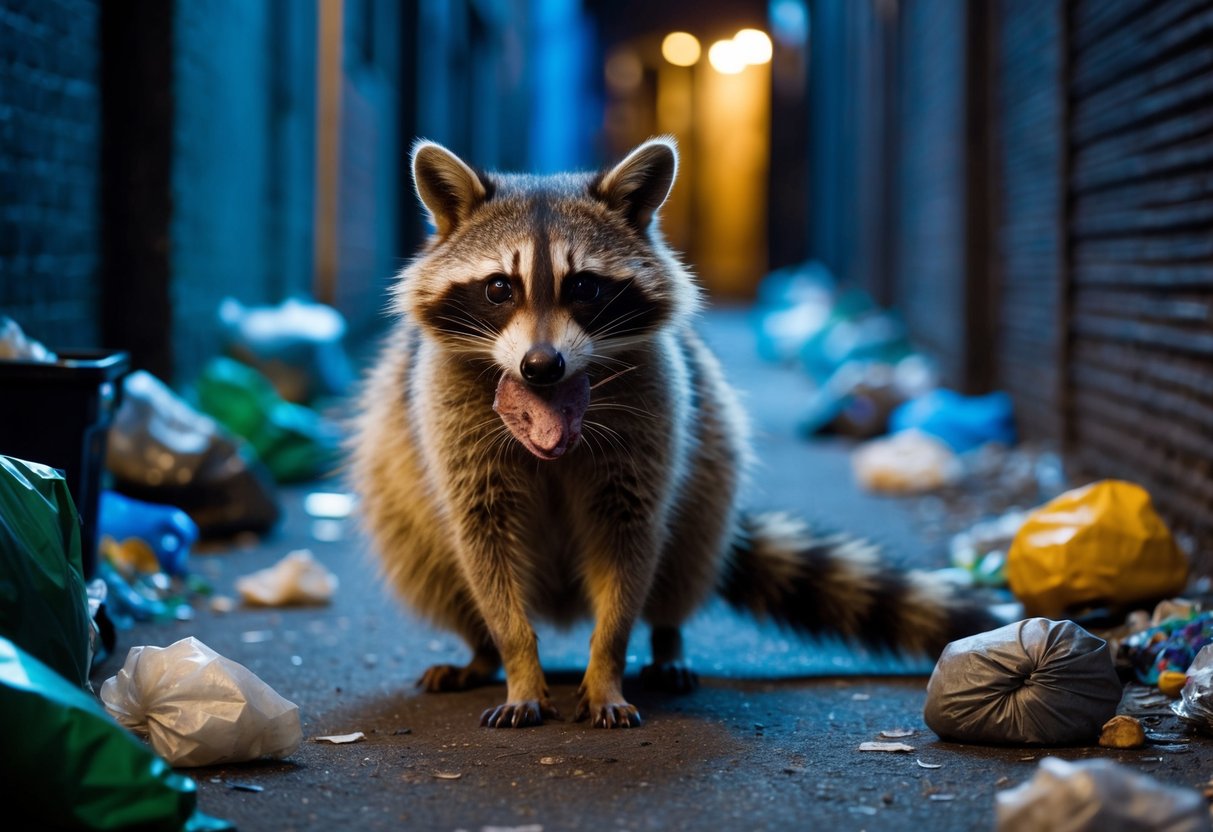
In cities, raccoons may find themselves hunting for food in buildings or backyards. Rats can attract raccoons, particularly when pet food or trash is left out. This relationship can impact local pest populations, as raccoons will opportunistically take advantage of the availability of rats to help meet their nutritional needs.
Understanding the dynamics of raccoons and rats can be fascinating. You might discover how these animals interact in your neighborhood, shedding light on their roles in the ecosystem. Whether you see them rummaging through your trash or hear about raccoon sightings nearby, knowing about their diet helps you appreciate these clever animals a little more.
Raccoon Diet Basics

Raccoons have a diverse diet that reflects their opportunistic nature. Understanding their eating habits, common food items, and nutritional needs helps you appreciate what sustains these clever creatures.
Omnivorous Eating Habits
Raccoons are classified as omnivores, which means they eat both plant and animal matter. This flexibility in their diet allows them to thrive in various environments.
You might find them scavenging in urban areas, where they often search for food in trash cans. They can eat fruits, vegetables, nuts, insects, and even small mammals.
This varied diet helps them adapt to seasonal changes and food availability. They’re known to try different food sources, indicating their curious and exploratory nature.
Common Food Items
Raccoons enjoy a wide range of food items. Some favorites include:
- Fruits: Apples, berries, and grapes.
- Vegetables: Corn, carrots, and peas.
- Nuts: Acorns and walnuts.
- Insects: Beetles and caterpillars.
- Small Animals: Rodents and birds.
While raccoons eat a bit of everything, they often prefer more accessible food sources. During certain seasons, they may focus on specific items that are plentiful, such as fruits in late summer and nuts in fall.
They are also known to eat pet food when they can find it, showing their adaptability.
Nutritional Needs of Raccoons
To stay healthy, raccoons need a balanced diet rich in protein, carbohydrates, and fats. The protein is particularly important for growth and maintenance.
Fruits and vegetables provide essential vitamins and minerals. Nuts are great for energy due to their fat content.
Raccoons also need plenty of water, which they can get from food sources or by drinking. This balanced diet not only sustains their energy but also keeps their fur and skin healthy.
Raccoons and Rodents
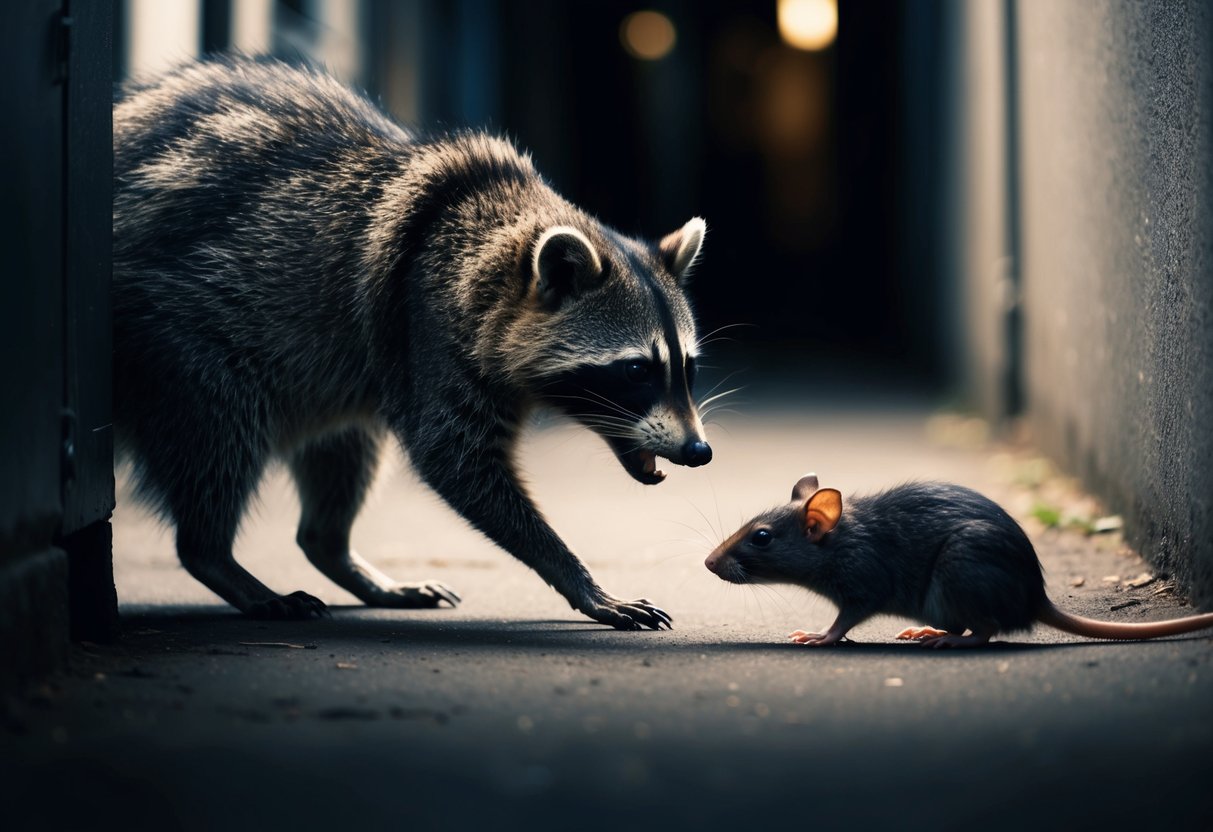
Raccoons often find themselves hunting various rodents, including rats and mice. Understanding their hunting techniques and the impact they have on rodent populations can provide insight into their behavior and interactions with these small mammals.
Rats as Prey
Rats are commonly found in urban areas, making them an appealing target for raccoons. These nocturnal creatures actively hunt rats, drawn by the ease of catching them in places where they nest or feed. Raccoons are opportunistic eaters, so they take advantage of any chance to snack on these rodents.
While not exclusively rodent hunters, raccoons will eat rats when they can find them. Their adaptability means they shift their diet based on food availability. With a diverse menu, rats are just one of many options raccoons consider when foraging, which also includes small mammals, fruits, and insects.
Hunting Techniques
Raccoons have special skills that make them effective hunters. Their sharp claws allow them to climb and reach nests or safe hiding spots where rats may be found. Their strong sense of touch gives them the ability to explore their surroundings quietly.
When hunting, raccoons rely on stealth and patience. They often stalk their prey before pouncing. Although they are not specialized hunters, their intelligence and agility help them catch quick rodents. Their keen senses help them detect even the slightest movement, making it difficult for prey to escape.
Raccoons and Mice
Mice are another common small mammal in raccoons’ diets. Like rats, they are plentiful in urban areas, making them easy targets. Raccoons will take advantage of mouse populations, particularly in the fall and winter months when food is scarcer.
Hunting for mice may involve rummaging through garbage or digging into holes where these little creatures hide. While mice are generally faster than rats, raccoons still manage to catch them with their swift, powerful pounces. This adaptability in diet helps raccoons survive and thrive in various environments.
Impact on Rat Populations
Raccoons play a significant role in controlling rat populations. By hunting and eating rats, they help maintain balance within the ecosystem. This predation is one way that nature regulates the numbers of rodents in your area, reducing the chances of overpopulation.
While raccoons cannot eliminate rat populations entirely, their presence can lead to noticeable decreases. As they continue to hunt rats, it can help lessen the problems caused by pests in urban settings. Thus, encouraging raccoon populations could indirectly benefit homeowners frustrated by rodent issues.
Feeding Behaviors in Different Environments

Raccoons are skilled foragers and adapt their feeding habits based on their surroundings. Understanding how these creatures interact with their environment can shed light on their role in pest control and their behavior in urban settings.
Urban Foraging
In urban areas, raccoons are often seen as pests. They have learned to exploit human resources, primarily by raiding trash cans and garbage bins. Your leftovers, pet food, and compost can generate significant interest from these masked bandits.
Raccoons search through trash cans for discarded food and can be quite adept at opening them. Their foraging can significantly impact local pest populations, as they consume small mammals and insects. While you may find them annoying, raccoons can help keep pest populations in check, serving a role in natural pest control.
Wildlife Adaptations
In wilder habitats, raccoons display different feeding behaviors. They rely on a diverse diet that changes with the seasons. You might notice them foraging for fruits, nuts, and insects during warmer months.
Their adaptability is remarkable. Raccoons can thrive in various environments, from forests to wetlands. When food is scarce, they may hunt for small animals like rats or gophers. This flexibility allows them to help maintain balance in wildlife ecosystems and contribute to controlling certain pest populations in natural settings.
Human and Raccoon Interactions

Understanding how to manage interactions with raccoons is vital for maintaining a safe and clean environment. Your actions can prevent unwanted encounters and protect both yourself and raccoons.
Preventing Raccoons Access to Food
To keep raccoons away, it’s essential to secure food sources. Start by using garbage cans that have tight-fitting lids. This simple step ensures that your trash doesn’t become a buffet. Store pet food indoors and avoid leaving any outside overnight.
Consider using motion-activated lights around your property to scare them off. These lights can startle raccoons, making them think twice before approaching. It’s also helpful to eliminate other food sources, such as fallen fruit from trees or bird feeders.
Health Risks and Safety
Raccoons can carry diseases that pose health risks to humans and pets. They may transmit rabies, making it important to stay cautious. If you encounter a raccoon that seems sick or is acting strangely, keep your distance and contact a professional for help.
Additionally, raccoon feces can carry roundworm eggs. These can be harmful, especially to children or pets that may accidentally come into contact with contaminated areas. Always wear gloves when handling anything that may have been exposed to raccoons.
Safe Removal and Deterrence
If a raccoon has taken up residence in your yard or attic, consider professional raccoon removal services. Professionals can safely trap and relocate the animal without harm.
You can also use raccoon repellents to make your space less inviting. Natural repellents, such as predator urine or certain essential oils, can deter raccoons effectively.
Setting up barriers or fences can also help keep raccoons from entering your property.
Taking these steps will help keep your home raccoon-free. By being proactive, you can ensure both safety and a peaceful living environment.


