
Raccoons often have a bad reputation for being troublesome creatures. You might see them digging through your trash cans or stealing from bird feeders, which can create frustration for homeowners. People sometimes mistake their cleverness and adaptability for mischief, leading to negative perceptions.
In reality, raccoons are intelligent animals that play an important role in the ecosystem. They help control pest populations and keep the environment balanced. Understanding their behaviors can change how you view these critters and might even make you appreciate their role in nature a bit more.
Many people worry about diseases like rabies when it comes to raccoons. While it’s true that they can carry certain diseases, not all raccoons are a threat. By looking beyond their messy habits, you can discover more about these fascinating animals and the reasons behind their often misunderstood reputation.
Raccoon Behavior and Public Perception
Raccoons often face negative views because of their nighttime activities and behaviors. Understanding these actions can provide clarity and shed light on their roles in our communities.
Misunderstood Nighttime Habits
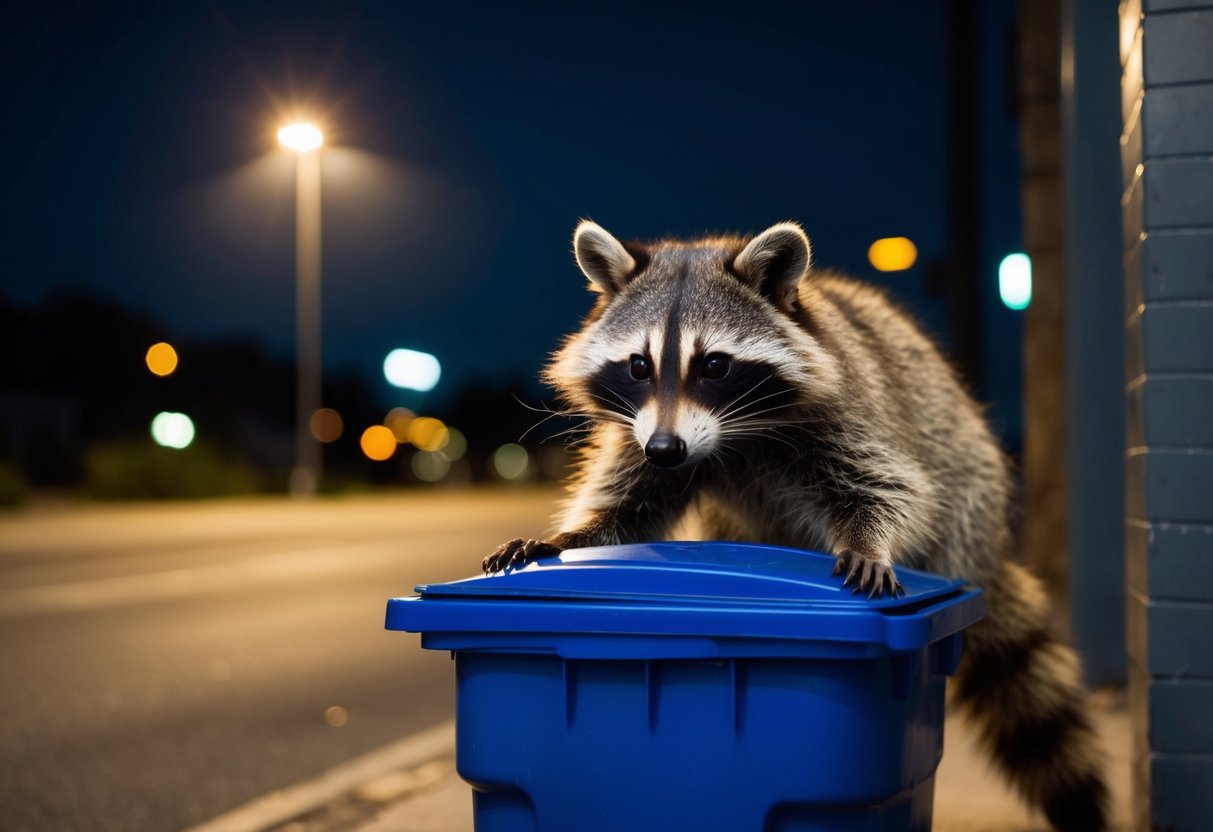
Raccoons are nocturnal animals, meaning they are most active at night. This can be unsettling for people who hear noises coming from their backyards in the dark. Their late-night foraging is driven by the search for food, which can include anything from insects to fruits.
At night, they use their sharp senses to navigate and find food with ease. This behavior might lead you to see them as mischievous or sneaky, especially when they explore gardens or rummage through trash cans. While they are curious, their activities are primarily about survival, not troublemaking.
Trash Pandas: Garbage & Garden Intrusions
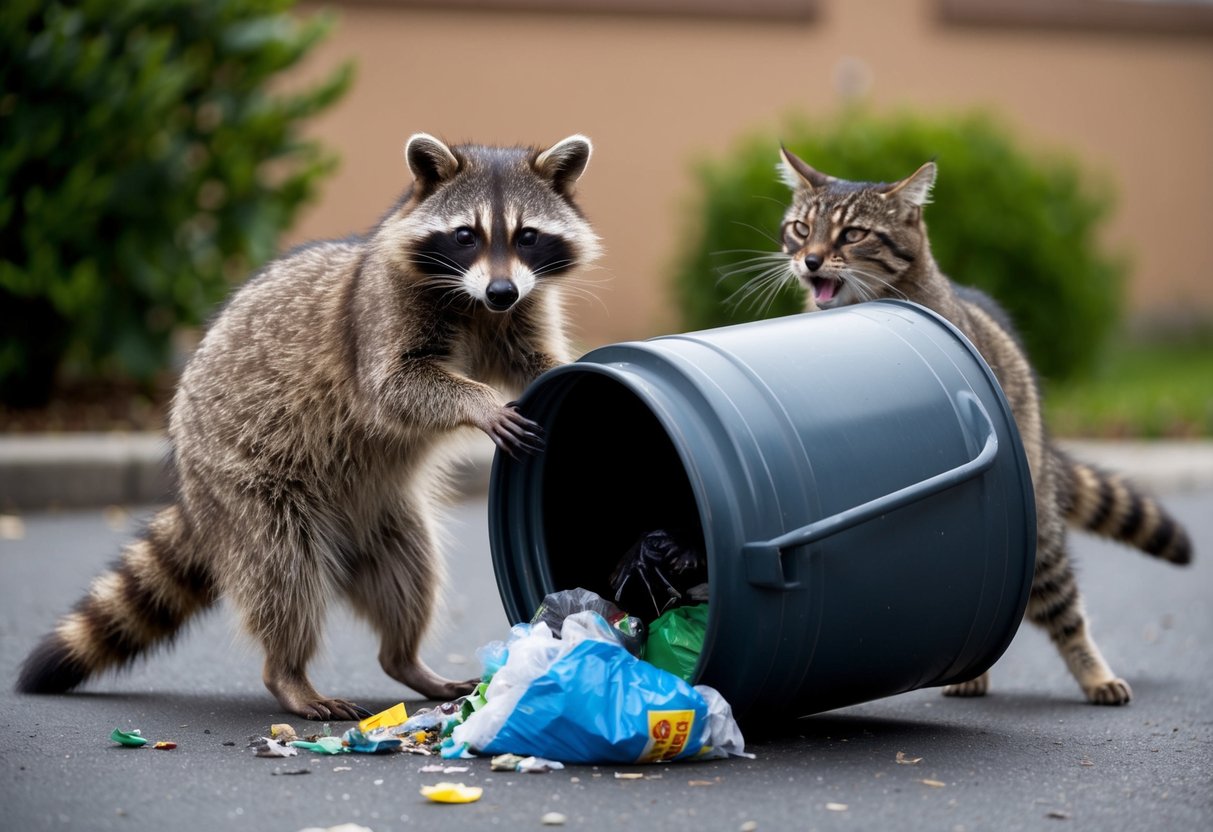
Raccoons have earned the nickname “trash pandas” due to their knack for invading garbage cans. They are very intelligent animals capable of opening lids and scavenging for discarded food. This habit often leads to frustration for homeowners who find their trash scattered across the yard.
In addition to garbage cans, raccoons can cause damage in gardens and bird feeders. They enjoy raiding these areas looking for tasty treats. While it might seem annoying, these actions are simply part of their nature. Understanding this can help you plan ways to deter them without harm.
Territorial Tendencies
Raccoons are also territorial creatures. They will defend their dens and foraging areas against other raccoons. This behavior can lead to conflicts, especially if they feel threatened. If you see multiple raccoons around, they might be establishing their place in your neighborhood.
Their territorial nature can sometimes be mistaken for aggression, but it is mainly a way of ensuring their safety and food supply. Recognizing this trait can help you appreciate their role in the local ecosystem. By keeping your property secure, you can reduce unwanted encounters while respecting their behaviors.
Health and Safety Concerns
Raccoons can pose real health and safety risks for you and your pets. Understanding the potential dangers they present is important in keeping your household safe.
Raccoons and Diseases
Raccoons can carry several diseases that affect both humans and animals. One of the most serious is rabies. If a raccoon bites you, it’s crucial to get medical attention to check for signs of rabies. Other diseases include leptospirosis, which can spread through raccoon urine, and distemper, a dangerous illness for dogs.
Raccoons also carry fleas and other parasites like roundworms, which can pose health risks to you and your pets. They can transfer these parasites through their feces, potentially contaminating your yard.
Aggression and Safety Risks
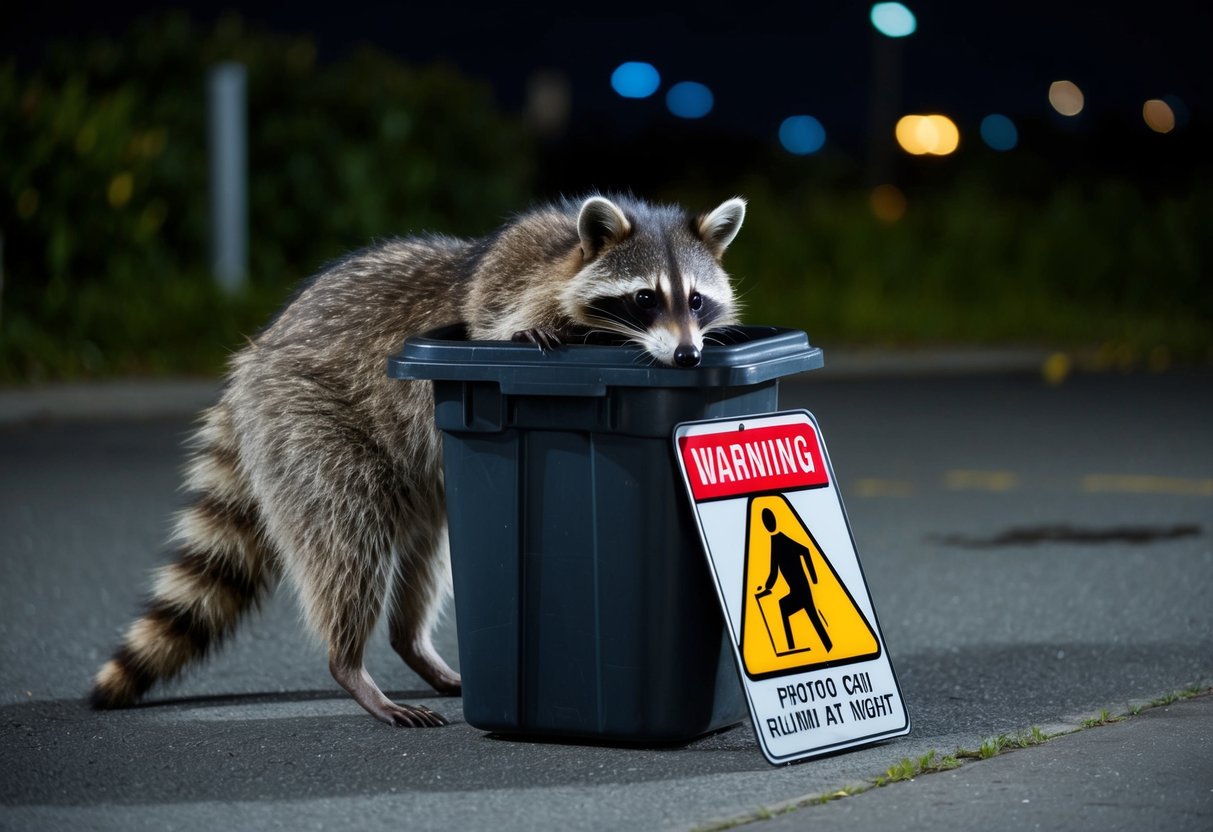
While raccoons often seem playful and curious, they can act aggressively if they feel threatened. This is especially true if they are cornered or protecting their young. Aggression can lead to raccoon bites, which can transmit diseases like rabies.
It’s wise to avoid approaching raccoons, especially at night when they are most active. If you see a raccoon acting strangely, such as staggering or trying to approach you, it may be a sign of rabies. Keep a safe distance to protect yourself.
Impact on Household Pets
Your pets can be at risk if raccoons are nearby. Dogs and cats can get into fights with raccoons, leading to injuries or infections. Raccoons may also transmit diseases like rabies to pets through bites.
In addition to the physical dangers, raccoons can introduce parasites into your home. If your pet comes into contact with raccoon droppings, they may become infected with roundworms or other parasites. Regular vet check-ups can help keep your pets healthy and safe from these risks.
Ecosystem Impact
Raccoons play a significant role in the ecosystem, especially in urban areas where they interact with various wildlife and human environments. Their behavior can affect both natural and urban ecosystems in meaningful ways.
Raccoon Behavior in Urban Areas
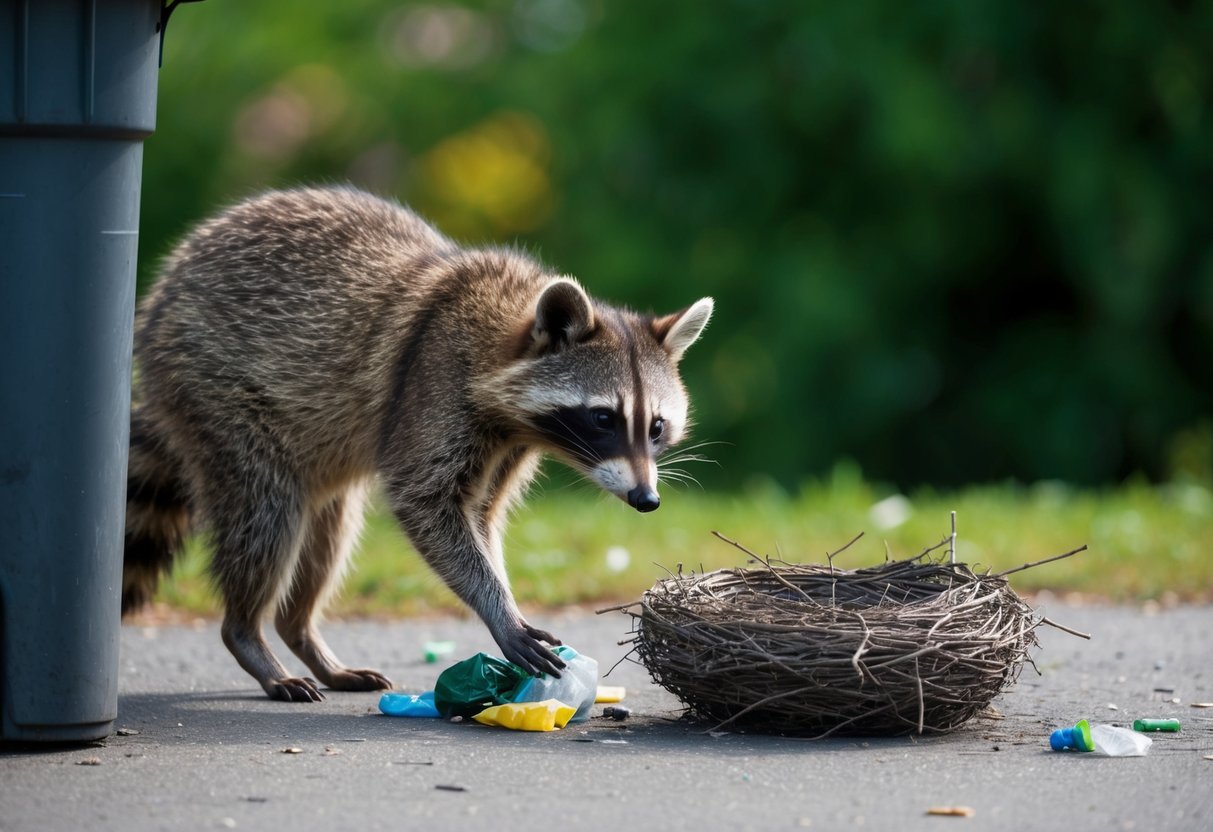
In urban settings, raccoons are often seen as pests due to their scavenging habits. They rummage through garbage and invade attics, which leads to conflicts with people.
Despite this reputation, raccoons contribute positively to ecosystem balance. They help control small mammal populations, such as rodents. By doing so, they prevent these animals from becoming too numerous, which can lead to other issues in your community.
Raccoons also serve as prey for larger predators. In urban areas, they can be found in parks and neighborhoods, where they adapt to available food sources, showcasing their flexibility.
Natural Predators and Ecosystem Balance
Raccoons, while they can be nuisance animals, are part of a larger food web. They have natural predators that include bobcats, coyotes, and great horned owls. These predators help keep raccoon populations in check.
By maintaining a balance among species, these predators ensure that no one group dominates the ecosystem. For example, if raccoons overpopulate, they might cause a decline in other wild animals. This balance protects biodiversity, which is important for healthy ecosystems.
Understanding the roles of both raccoons and their natural predators can help you appreciate the complexities of your local ecosystem.


