
Raccoons are clever and curious animals, often seen rummaging through trash or playing in backyards. You might wonder how common rabies is in these furry creatures. In some areas, nearly 30% of raccoons tested can be infected with rabies, meaning that the risk exists but varies significantly depending on location.

As rabies is a serious disease that affects the nervous system, it’s essential to understand how it relates to raccoons. In fact, raccoons are among the main wildlife carriers of rabies in North America. These nocturnal animals can exhibit symptoms, but not all do, making it important to recognize signs of illness.
Whether you live in a rural area or a city, knowing about rabies in raccoons can help you stay informed and safe. The statistics and information shared in this post will guide you through understanding the prevalence of this disease and what actions you can take if you encounter a raccoon.
Understanding Rabies in Raccoons

Rabies is an important viral disease that affects raccoons and poses risks to both wildlife and humans. It is caused by the rabies virus, which primarily impacts the central nervous system. Knowing how this disease spreads and its effects can help you stay safe and informed.
The Rabies Virus and Its Effects
The rabies virus attacks the central nervous system in raccoons. Once infected, symptoms can include aggressive behavior, disorientation, and paralysis. This is because the virus travels through the body, eventually leading to severe neurological symptoms.
Rabid raccoons may act strangely, showing little fear of humans. As the disease progresses, you might notice difficulty in movement. This can occur within weeks and often results in death if the animal does not receive treatment.
Understanding these signs can help you identify if a raccoon might be rabid, especially since not all infected animals display typical aggressive behavior.
How Raccoons Become Infected
Raccoons usually get rabies through bites from other infected animals. Common carriers of the virus include other raccoons and nocturnal creatures like bats.
When a rabid raccoon bites, the virus enters the new host’s body and begins to spread. The incubation period may vary, but symptoms often appear weeks to months after infection.
To reduce your risk, avoid contact with wild raccoons and report any suspected rabid animals to local wildlife authorities. Taking these precautions protects both you and your pets from the severe consequences of rabies.
Identifying and Managing Rabies Exposure
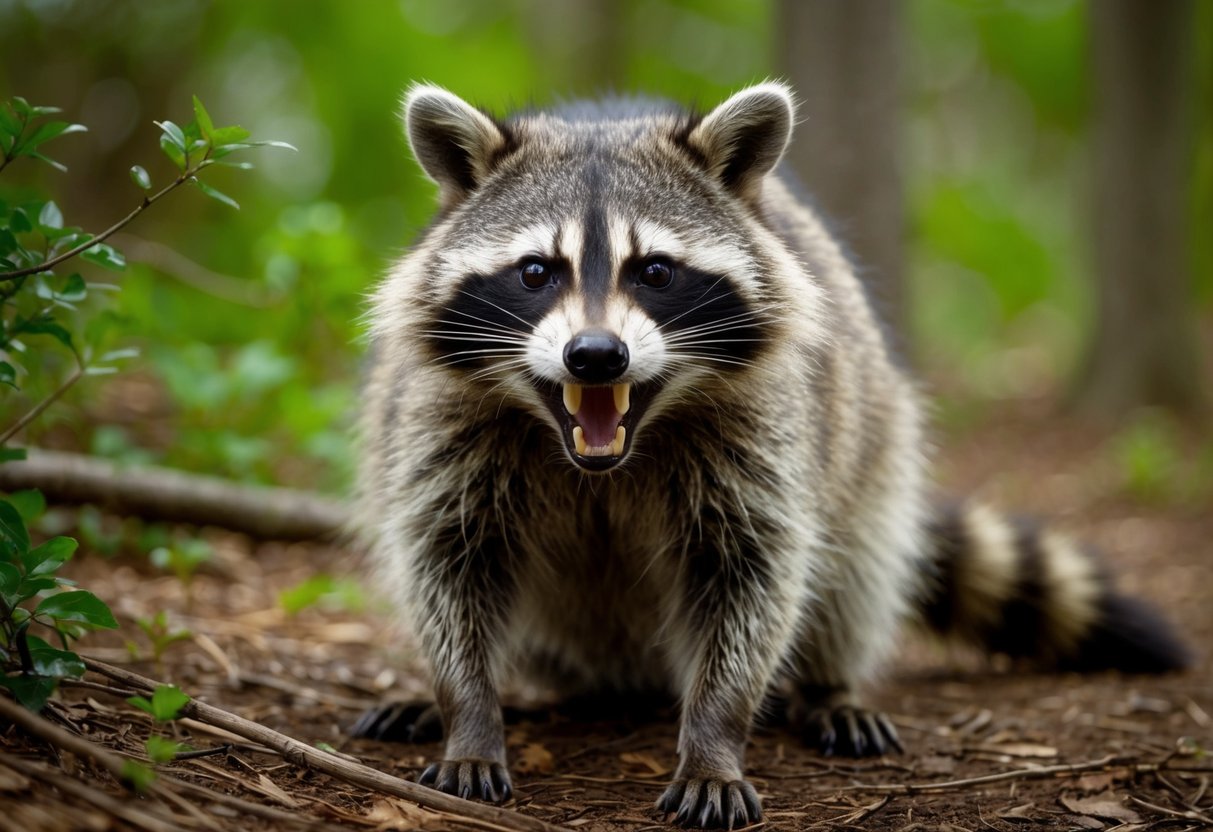
Being aware of how to identify rabies in raccoons is essential for your safety and the safety of others. Knowing the signs and understanding what to do can help prevent exposure to this serious disease.
Signs of Rabies in Raccoons
When a raccoon has rabies, you may notice several specific symptoms. Aggressive behavior is a common sign. The animal might act more hostile than usual.
You could also see disorientation, where the raccoon appears lost or confused. Another key symptom is foaming at the mouth, which indicates that the virus is affecting its nervous system.
Other abnormal behavior might include a lack of fear towards humans or other animals. If you observe any of these signs, it’s crucial to keep your distance and avoid any contact with the raccoon.
What to Do if You Encounter a Rabid Raccoon
If you come across a raccoon showing signs of rabies, stay calm and move away slowly. Do not approach or try to touch the animal. Instead, contact wildlife control for assistance.
It’s important to inform local authorities, so they can take necessary action. If you or someone you know is bitten or scratched, seek medical attention immediately.
Post-exposure prophylaxis may be required. This usually includes a series of vaccinations and, in some cases, human rabies immune globulin injections to help prevent the disease. Remember, avoiding risks is the best way to protect yourself and others.
Prevention and Control Measures
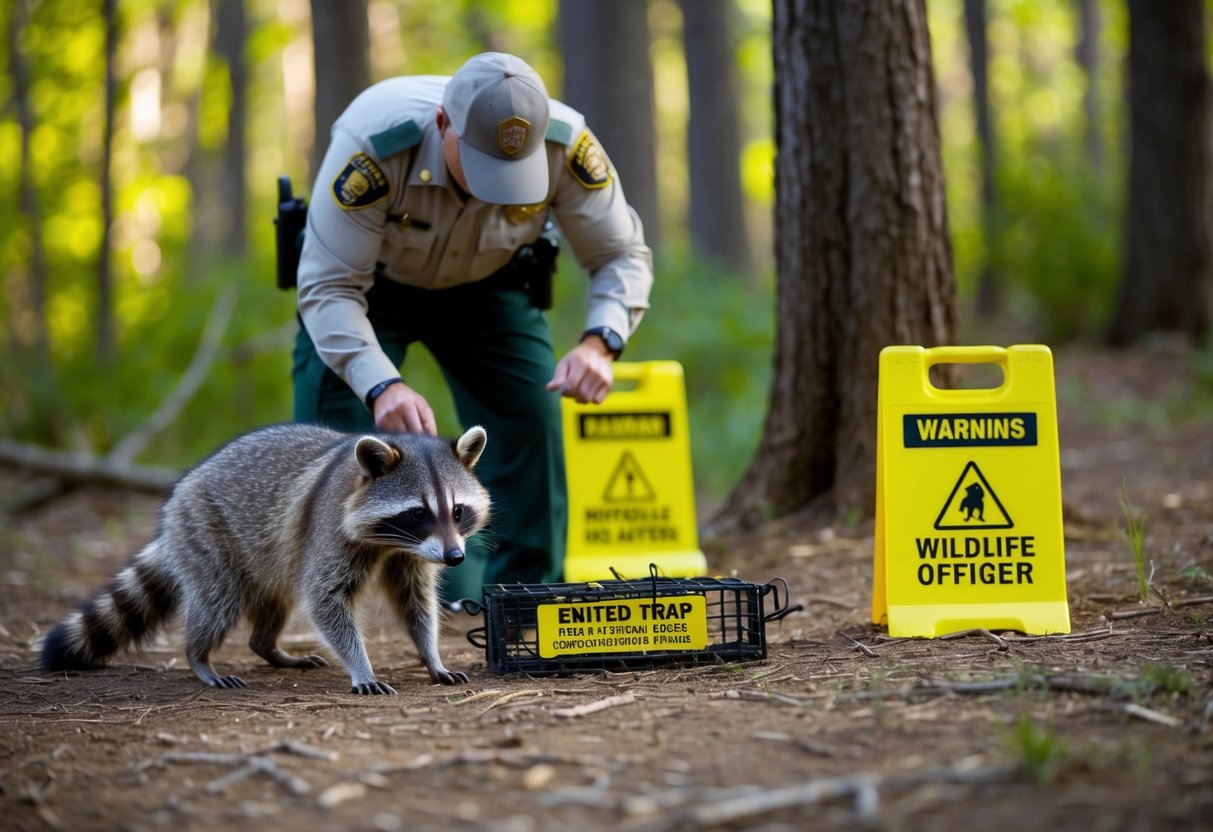
Keeping raccoons from getting rabies is crucial for both animal and human safety. Effective measures include vaccination programs and simple steps you can take to deter raccoons from your property.
Vaccination and Public Health Efforts
Vaccination is a vital part of controlling rabies in raccoons. The rabies vaccine helps protect pets such as dogs and cats from this deadly disease, reducing the risk of transmission. In the U.S., veterinarians administer more than 40 million rabies vaccinations annually to domestic animals.
Public health efforts also include distributing oral vaccines to wildlife. Wildlife professionals use baits to deliver more than 8 million doses of rabies vaccine to wild raccoons and other animals each year. These programs are designed to prevent the virus from spreading and protect communities from potential outbreaks.
Tips for Deterrence and Safety
To prevent raccoons from coming near your home, you need to manage your property properly. Here are some helpful tips:
- Secure trash cans and compost bins with tight-fitting lids to avoid attracting raccoons.
- Feed pets indoors to reduce the chance of leaving food that can lure raccoons.
- Avoid feeding raccoons directly, as this encourages them to return.
If you encounter a raccoon that seems aggressive or disoriented, back away slowly and call animal control. Maintaining distance and not approaching wild animals is important for your safety. Educating yourself on these measures can help keep both you and the raccoon population safe from rabies.


