
Bats are fascinating creatures that play a crucial role in our ecosystem. However, sometimes these animals may find themselves in trouble. You can tell if a bat needs help if it’s on the ground, exposed during the day, or in a living area where it doesn’t belong. Understanding these signs can make a big difference in their recovery and safety.
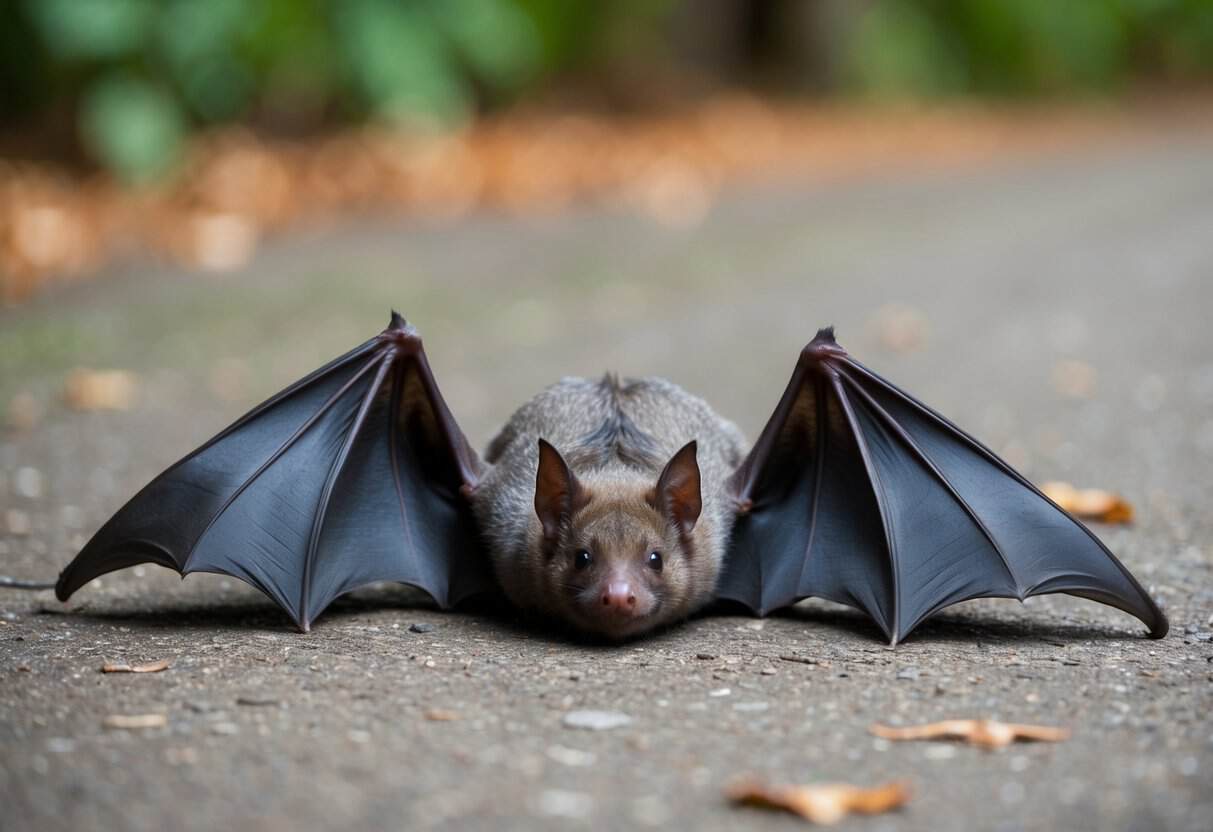
If you encounter a bat that seems out of place or in distress, knowing the right steps to take is vital. Bats can easily become exhausted or injured and may need assistance to get back on their wings. By acting quickly and knowing what to look for, you can help ensure their conservation and well-being.
In this article, you will learn about the signs that indicate a bat needs help and the best ways to assist them. Helping a bat can contribute to the health of our environment and support the important role these animals play in nature.
Identifying a Bat in Distress
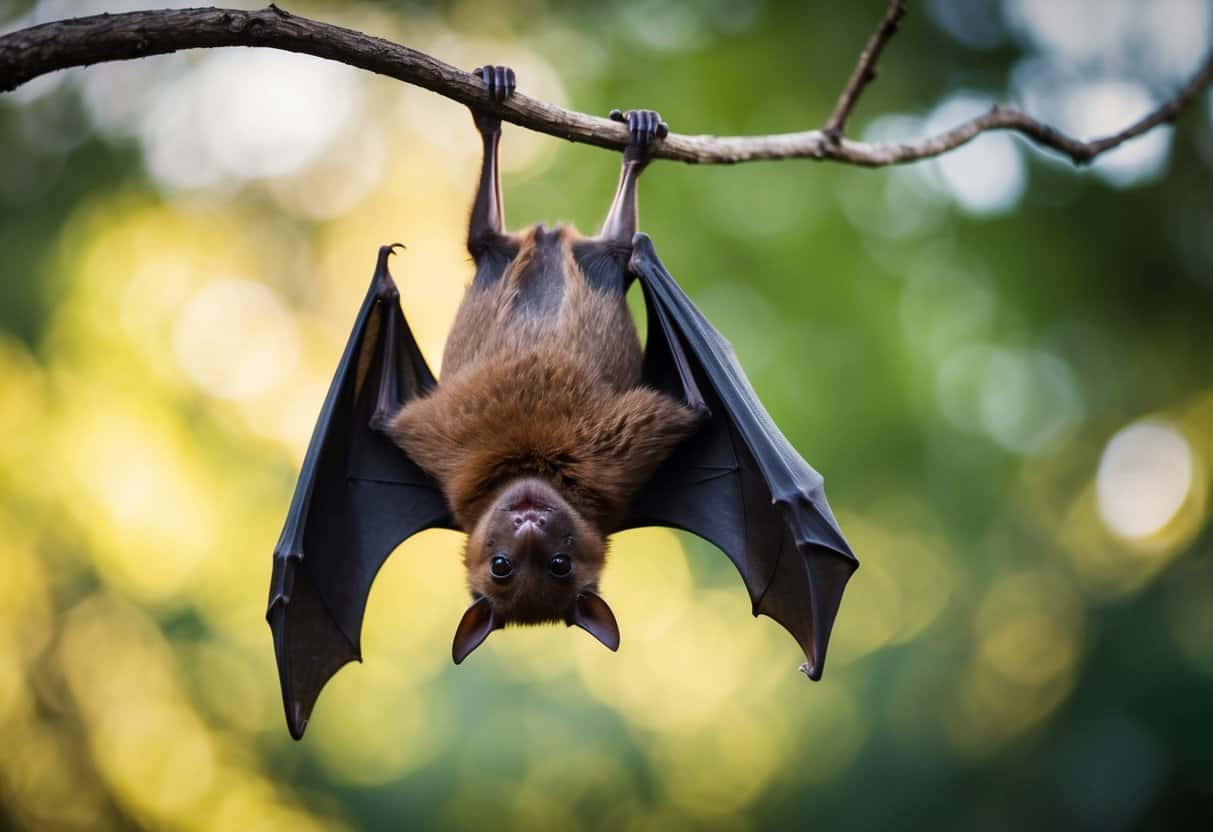
When you come across a bat, it’s important to know how to tell if it needs help. Bats can exhibit various physical signs and behavioral changes that indicate they may be in trouble.
Physical Signs of an Injured Bat
Look for specific physical signs that suggest a bat needs assistance. If you see a bat on the ground, it may be injured or sick. Key indicators include:
- Closed Eyes: A bat with its eyes closed might be feeling unwell.
- Cold Body: If the bat feels cold to the touch, it’s a clear sign it is not well.
- Visible Injuries: Look for wounds or bleeding. Any noticeable damage requires immediate attention.
- Surrounded by Flies: Flies around a bat can indicate illness or decay.
If you see any of these signs, the bat likely needs your help.
Behavioral Indicators of a Bat Needing Help
In addition to physical signs, you can observe how a bat behaves to assess its condition. Key behaviors include:
- Grounded Bat: If it is on the ground and unable to fly, it’s likely injured or sick.
- Weak Movement: A bat that seems lethargic or is unable to move normally shows it may be in distress.
- Unusual Sounds: Listen for abnormal sounds. Whining or distress calls can indicate need for help.
- Isolation: If a bat is alone and not with its colony, it might be in trouble.
Noticing these behaviors can be crucial for determining if a bat needs your assistance.
Appropriate Responses to a Bat in Need
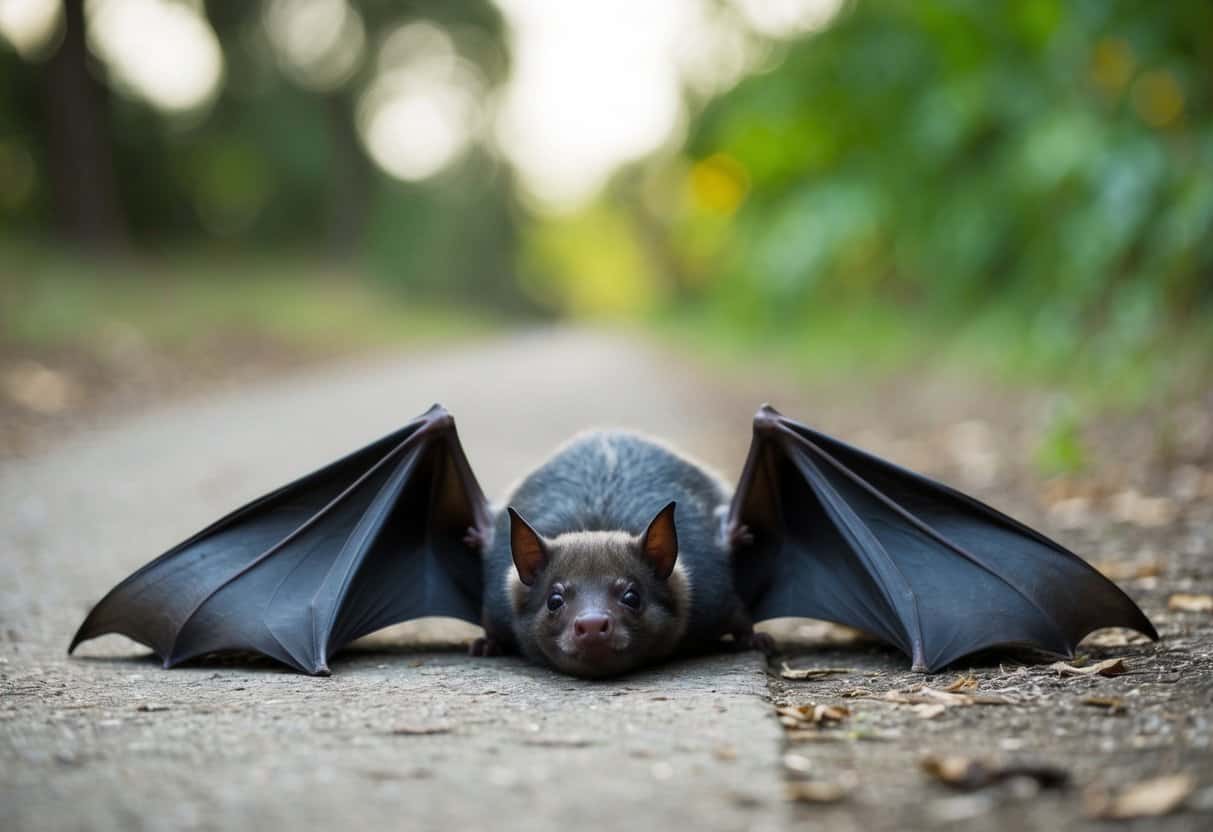
Knowing how to respond to a bat that may need help is important for its safety and yours. There are specific actions you should take, including contacting professionals, ensuring personal protection, and providing immediate care if necessary.
When to Contact a Wildlife Rehabilitator
If you find a bat that appears injured or grounded, it’s best to reach out to a licensed wildlife rehabilitator. Look for signs like a bat that can’t fly, appears weak, or is in a dangerous location, such as near people or pets.
You can also see if the bat has been exposed to threats, like a cat or dog. If so, contacting animal control or a local wildlife clinic can ensure the bat gets the help it needs quickly.
Safe Capture and Containment
If you need to capture the bat for safety, wear gloves and use a container with a secure lid. A box or a small, breathable bag works well. Gently place the container over the bat before sliding a piece of sturdy cardboard underneath.
Do not attempt to handle the bat directly, as it can become stressed and bite. Remember to keep the bat in a quiet, dark place while you arrange for its care, as bright lights can further upset it.
Providing Immediate Care
While waiting for help, ensure the bat is safe from pets and drafts. Place a soft cloth in the container for comfort, but do not attempt to feed or give water to the bat.
Keep the environment calm and quiet to reduce stress for the bat. This is essential for its recovery. Once you have a wildlife rehabilitator on the line, follow their instructions carefully to give the bat the best chance for survival.
Understanding Bat Conservation
Bats play a crucial role in our ecosystems, impacting everything from insect control to plant pollination. Many conservationists and biologists work hard to protect these animals due to their environmental importance.
The Role of Bats in Ecosystems
Bats contribute significantly to keeping insect populations in check. A single bat can eat over 4,000 insects in one night! This natural pest control helps farmers by reducing the need for chemical pesticides, saving money and protecting crops.
In addition to controlling pests, some bats are pollinators. They help plants like agave and certain fruit trees reproduce. This is essential for maintaining biodiversity and ensuring food sources.
Bats also help with seed dispersal. By eating fruit and excreting seeds, they promote plant growth in various areas. This activity supports healthy ecosystems and helps combat deforestation.
Biologists and conservationists play a critical role in recognizing and preserving these benefits. They also encourage people to understand the value of bats and their habitats. Supporting bat conservation is essential for a balanced environment.


