
Encountering a bat in your bedroom can be a startling experience. You might wonder about the safety of sleeping in a room with a bat. Sleeping in a room with a bat is generally not safe due to the risk of bites and diseases like rabies. Even though most bats are harmless, it’s best to deal with the situation promptly.
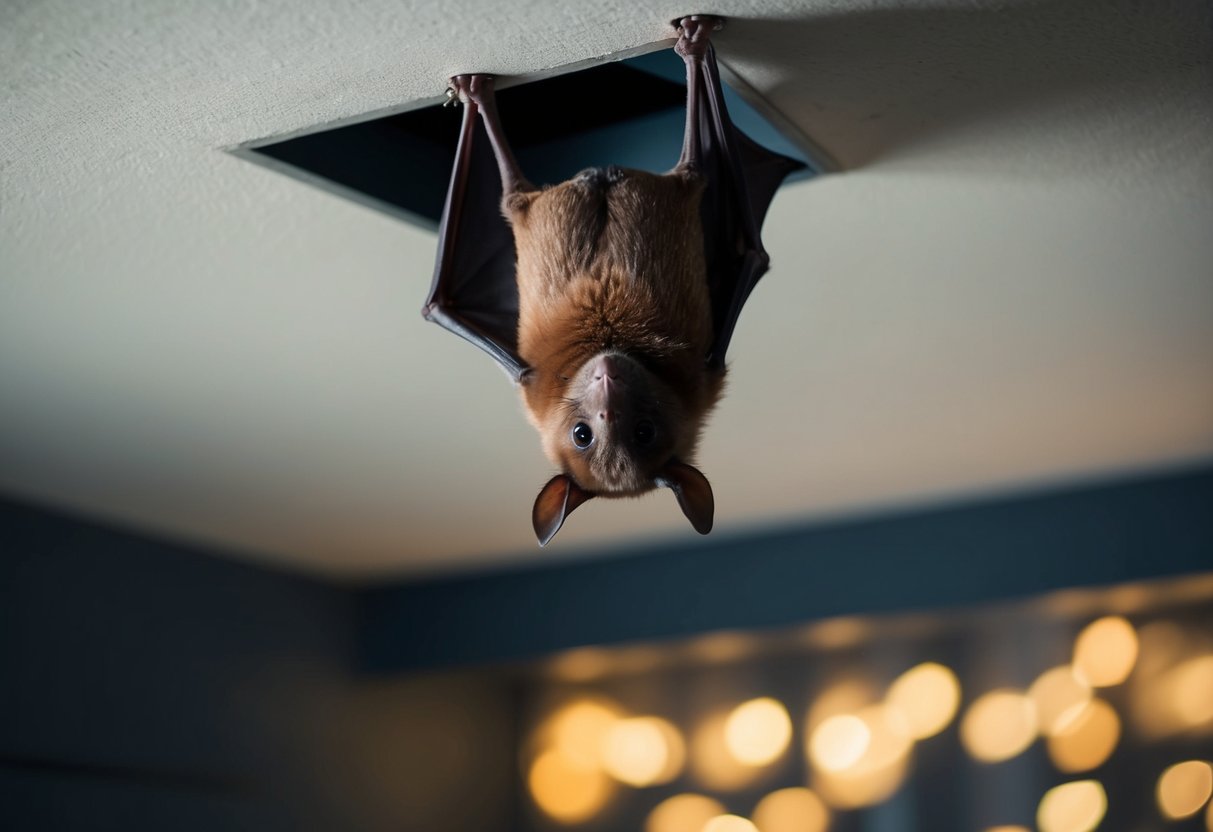
Imagine waking up to find a bat fluttering around your room. You might not realize the potential dangers involved. Many bat bites are small and hard to detect, which increases your risk if you are unaware of the bat’s presence while you sleep.
In this article, you’ll learn about what steps to take if you find a bat in your space and how to protect yourself from any health risks associated with these creatures. Understanding the best practices can help you stay safe and ensure a good night’s sleep.
Understanding Bat Behavior and Risks in the Home

Bats are fascinating creatures, but their presence in your home can raise concerns. Knowing their behavior, why they seek shelter in living spaces, and the potential health risks can help you feel more at ease and informed.
Common Bat Species and Their Habitats
Many bat species are likely to enter your home. The little brown bat and the big brown bat are two of the most common. They often roost in attics, under eaves, or in wall voids.
Bats prefer warm, dry places to rest during the day. They tend to seek out spaces that are quiet and undisturbed. Outdoor areas like trees, caves, and old buildings are typical habitats. Understanding these preferences can help you recognize where they might enter your home.
Why Bats Enter Living Spaces
You might wonder why a bat has chosen to come into your house. Bats often enter buildings through small gaps or cracks. They are drawn inside when their natural habitats become disturbed, or they are searching for a warm spot during colder months.
Bats may also come inside to find food. If insects are prevalent near your home, you could attract bats. They are nocturnal, so their activity often goes unnoticed until they are seen fluttering in your bedroom or living space at night.
Potential Health Risks Associated With Bats
While most bats are not dangerous, it’s good to be aware of the health risks they may pose. Some bats can carry rabies, a virus that is potentially fatal if left untreated. If you encounter a bat in your home, avoid direct contact.
Bats can also spread other diseases through their droppings, which can lead to histoplasmosis, a respiratory condition. Keeping your living space clean and sealing entry points can lower your risk of bat encounters and their associated health threats.
Safely Dealing With a Bat in Your Bedroom

If you find a bat in your bedroom, staying calm is essential. Here are some practical steps, along with options for professional help and tips to prevent future encounters.
Immediate Steps to Take if You Find a Bat
First, make sure to stay calm and avoid sudden movements. Bats can be scared and unpredictable. Close all interior doors to limit the bat’s access to the rest of your home.
Turn off any lights in the room to make it less inviting for the bat. Open a window or door that leads outside to encourage it to leave. If the bat doesn’t fly out, you might need to carefully guide it. Use a soft cloth or a small container to gently trap it without causing harm.
Wearing gloves is a smart move since bats can carry diseases. If you feel uncomfortable handling the situation, call a professional wildlife removal specialist. They know how to safely remove bats and can do it more effectively.
Professional Bat Removal and Exclusion
If the bat remains or if you find more than one, contacting animal control or pest control becomes important. These professionals know how to handle bats humanely. They can catch and remove the bat safely.
Once the bat is removed, they can inspect your home for potential entry points. Look for gaps in windows, doors, or the attic. A wildlife removal specialist can seal these to prevent future problems. Their expertise ensures that your home is bat-proofed without harming the animals.
Preventing Future Encounters
To avoid future bat visits, consider these preventive measures. First, make sure to check weather stripping on doors and windows. Keeping these secure helps reduce entry points.
Consider screening vents and chimneys as well. Regularly inspect your attic since bats often roost there. Keep your home clean and free from food sources that may attract wildlife.
Lastly, educating yourself about common bat behaviors can help. Knowing when bats are most active, like during spring and summer, lets you be more vigilant. Taking these steps will create a safer environment for you and the bats.
Health Implications of Bat Exposure
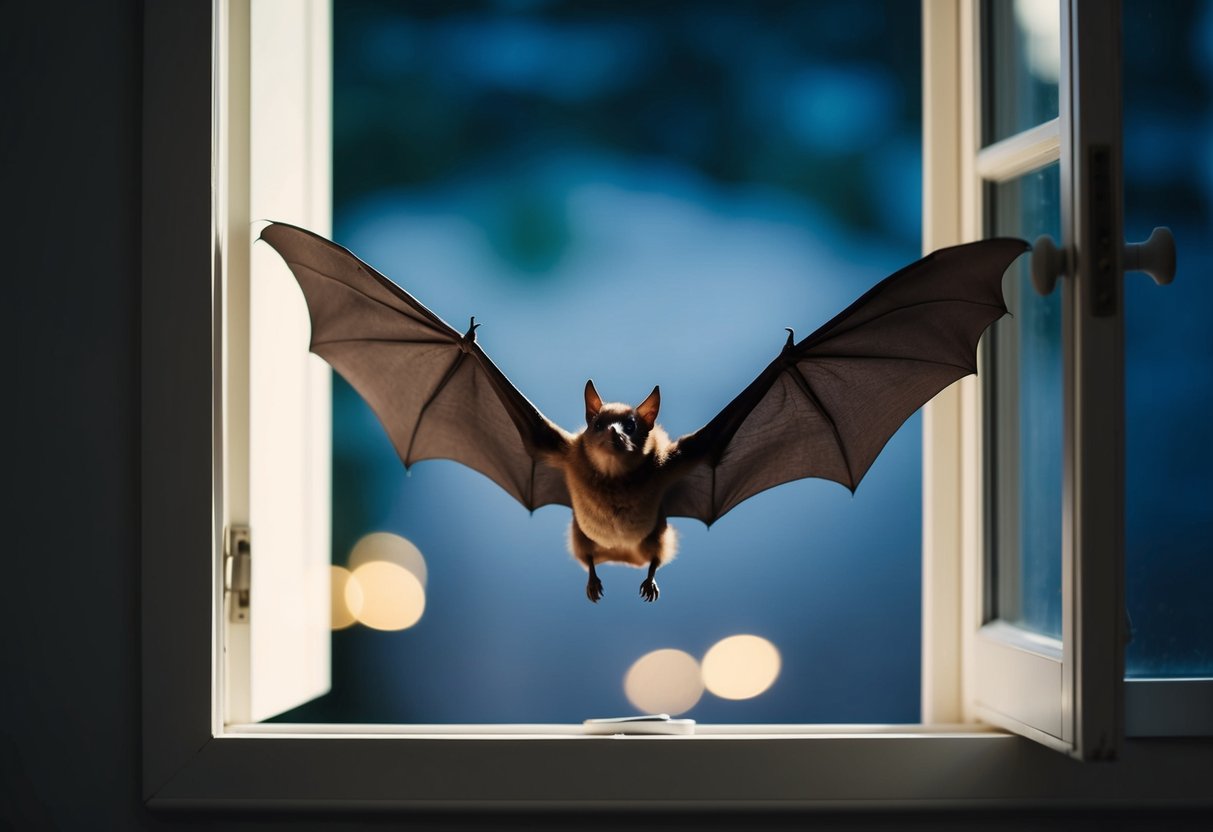
Sleeping in a room with a bat can pose health risks, particularly related to rabies. It’s crucial to understand how the rabies virus spreads, the symptoms of rabies, and the importance of vaccination.
Rabies Virus and Its Transmission Through Bats
Bats are known carriers of the rabies virus. This virus affects the central nervous system and can lead to severe health issues. You can become exposed to rabies through a bat bite, which may go unnoticed while you sleep.
If you find a bat in your room, take this seriously. The CDC emphasizes that any potential rabies exposure must be assessed promptly. Without treatment, rabies can lead to fatal encephalitis.
The risk increases in situations where bites are not visible. Since bat bites can be small, you may not realize you’ve been bitten. It’s recommended to avoid direct contact with bats and to remove them safely from your living space.
Symptoms and Treatment of Rabies
The symptoms of rabies can take weeks to appear after exposure, making it essential to act quickly if you suspect a bite. Early signs include fever, headache, and general weakness. As the virus progresses, you may experience anxiety, confusion, and agitation.
Severe symptoms include hallucinations and difficulty swallowing. If untreated, rabies is almost always fatal once symptoms appear. Immediate medical attention is necessary if you think you have been bitten.
Rabies Vaccination and Postexposure Prophylaxis
Vaccination is your best defense against rabies. The rabies vaccine can prevent infection if you get it soon after exposure. This is known as postexposure prophylaxis (PEP). It is crucial to seek medical advice immediately if you suspect you’ve been bitten or in contact with a bat.
PEP typically includes a series of rabies vaccinations and possibly Rabies Immune Globulin (RIG) to provide immediate protection. Following the recommended vaccination schedule is important for your safety.
The CDC provides guidelines on who should receive PEP and when. Missing these vaccination opportunities can lead to serious health risks, making timeliness essential.


