
Bats often spark fear and confusion, but most people don’t have a problem with them. Instead, they play a crucial role in our ecosystem. These creatures help control insect populations, benefiting farmers and enhancing crops. By consuming pests, bats also reduce the need for pesticides, which can be harmful to the environment.

It’s important to recognize that while some bats may occasionally seek shelter in human spaces, they rarely pose a direct threat to public health. In fact, bats are often misunderstood and dismissed as nuisances, when in reality, they contribute significantly to ecosystem health. Their activities, such as pollination and seed dispersal, keep many environments thriving.
As you learn more about bats, you’ll find that respecting and protecting these animals is essential. Rather than viewing them as a problem, consider their vital role in nature and how they can coexist peacefully with us.
Understanding Bats and Their Roles in Ecosystems
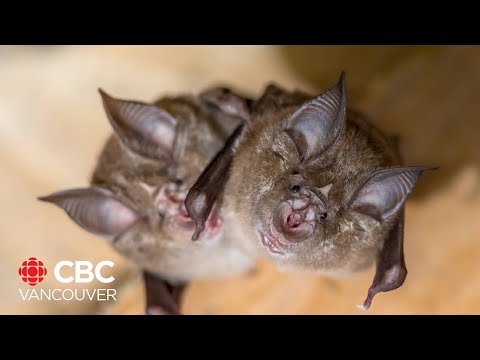
Bats are fascinating creatures that play vital roles in many ecosystems. By exploring their biology, behaviors, and contributions, you can see why they are crucial for the environment and human well-being.
The Biology and Behavior of Bats
Bats are the only flying mammals, making them unique in the animal kingdom. With over 1,400 species, they vary in size and appearance. Most bats are nocturnal, meaning they are active at night. This behavior helps them avoid predators and reduces competition for food.
Their bodies are built for flight. Bats have long wings made of a thin membrane stretched over their fingers. These wings allow for agile flying. They also have a keen sense of sight, but they mainly rely on echolocation. This ability lets them “see” with sound, helping them find food and navigate in the dark.
Bat Species Diversity and Habitats
Bats can be found on every continent except Antarctica. They thrive in various habitats, from lush forests to arid deserts. Each species has its preferred environment and set of needs.
For example, fruit-eating bats are often found in tropical rainforests. They depend on fruits and flowers for sustenance. In contrast, insect-eating bats prefer open areas where they can easily catch pests. This diversity allows bats to play different roles in their ecosystems, from pest control to pollination.
Echolocation and Roosting Habits
Echolocation is an essential skill for bats. They emit high-frequency sounds that bounce off objects. This helps them locate prey and obstacles. Echolocation is so precise that some bats can tell the shape and size of an object.
When it comes to resting, bats often roost in large groups. They prefer dark, sheltered places like caves, tree hollows, and even buildings. Roosting together offers safety and warmth. You might find clusters of bats hanging upside down, resting until nighttime.
Foraging and Pollination Activities
Bats are active foragers. Insect-eating species consume vast amounts of pests, such as mosquitoes and beetles. This helps protect crops and gardens, making bats great allies for farmers.
Additionally, fruit-eating bats play a critical role in pollination. As they feed on nectar and fruits, they transfer pollen from one flower to another. This activity supports plant reproduction and biodiversity. Many plants, including bananas and mangoes, depend on bats for pollination. Without bats, these ecosystems would suffer.
Conservation Efforts and Challenges

Bats are facing several pressing challenges that threaten their populations. Conservation efforts are vital to address these issues. Understanding these threats and the actions being taken can help ensure the survival of these important creatures.
Threats to Bats: From Habitat Loss to Climate Change
Habitat loss is a significant threat to bat populations. Urbanization, agriculture, and deforestation destroy their natural homes. This loss limits foraging areas and roosting sites, making it harder for bats to thrive.
Climate change also plays a crucial role. It alters ecosystems and affects food availability. Changes in temperature and precipitation patterns can disrupt bat feeding and breeding cycles.
Additionally, diseases like white-nose syndrome have devastated certain bat species. This fungal infection, which thrives in cold, damp environments, has killed millions of bats in North America. Conservation action is needed to combat these threats and assess the population status of affected species.
Protecting Bat Populations Through Monitoring and Research
Monitoring bat populations is essential for conservation. Agencies like the U.S. Fish and Wildlife Service and the North American Bat Monitoring Program use systematic studies to track changes and identify trends.
Research helps determine the health of bat populations and informs conservation strategies. By gathering data on population sizes and habitat use, scientists can make decisions about where to focus efforts. Programs like the North American Bat Conservation Alliance enhance these efforts through collaboration among various wildlife agencies.
Regular assessments also help detect new threats early, allowing for timely responses. Your support for monitoring initiatives can make a big difference in bat conservation.
Role of Bat Conservation Programs
Bat conservation programs aim to protect these vital species and their habitats. These programs often involve habitat restoration and community engagement. You can help by participating in local conservation efforts or supporting organizations focused on bat preservation.
Education is another key component. Many programs inform the public about the ecological roles of bats, such as pest control and pollination. By raising awareness, we can reduce negative perceptions and encourage more people to join conservation initiatives.
Collaborative efforts between scientists, wildlife agencies, and communities strengthen these programs. Together, they address conservation challenges and work towards sustainable solutions. Your involvement can amplify these efforts and contribute to a healthier ecosystem for bats and other wildlife.
Human Impacts on Bats and Mitigation Strategies

Bats face many challenges due to human activities. Urban development, agriculture, and light pollution all play a big role in their decline. Understanding these impacts can help you make better choices to protect these important creatures.
Urbanization and its Effects on Bat Habitats
Urbanization often leads to habitat loss for bats. As cities expand, natural areas like forests and wetlands are replaced with buildings and roads. This environment change disrupts food sources and roosting sites.
Human structures can sometimes provide alternative habitats. For example, old buildings can serve as roosts. However, many bats struggle to adapt to urban settings, leading to population declines.
To support bats, consider planting native plants. These plants can attract insects, which are vital food sources. Raising awareness in your community about preserving green spaces can also help.
The Consequences of Agricultural Practices on Bat Populations
Agricultural practices greatly affect bat populations. The conversion of natural habitats to agricultural land often results in the destruction of roosting spots. This makes it harder for bats to find safe spaces to raise their young.
Pesticides used in farming can also harm bats directly. When bats consume insects that have been exposed to chemicals, it can lead to health issues. Crop diversity is key to attracting bats. Planting various crops can maintain a healthy ecosystem that supports bat populations.
You can advocate for sustainable agriculture in your area. Encourage farmers to use fewer chemicals and to adopt practices that support biodiversity.
Light Pollution and Its Disruption to Bat Behavior
Light pollution is another significant threat bats face. Artificial lights can interfere with their natural behaviors, such as foraging and mating. Bats are nocturnal and rely on darkness to find food and navigate.
Bright lights can deter bats from roosting in certain areas. This disruption can lead to decreased reproduction rates. You can help by using outdoor lighting that is bat-friendly. Consider installing motion sensors to minimize light use when it isn’t needed.
Successful Bat House and Exclusion Techniques
Creating bat houses can provide safe roosting sites. You can set up these structures in your yard or on your property. Make sure to place them in a warm, sunny spot. Ideally, the spot should be near a water source.
If you need to exclude bats from your home, use humane methods. After bats have left for the night, seal any entry points. Providing alternative roosting options, like bat houses, can help encourage them to stay in safe areas.
Engaging local wildlife groups can offer more strategies and resources. With their help, you can understand how best to coexist with bats while preventing human-bat conflicts.


