
So, how bad can a chimpanzee hurt you? Honestly, it’s worse than you might think: chimpanzees can inflict serious injuries—deep bites, broken bones, even life-threatening wounds—because of their raw strength and sharp teeth. Their arms pack way more power than ours, so even a quick swipe or bite can turn ugly fast.
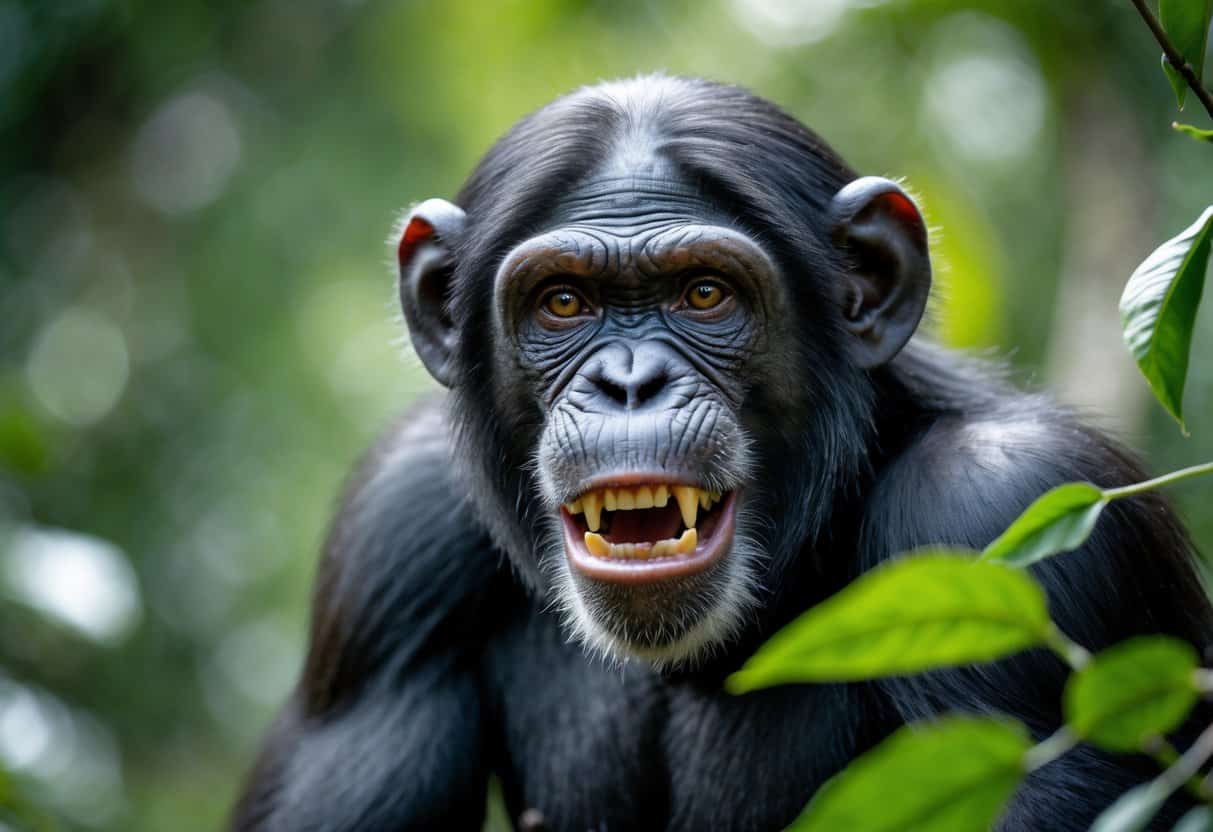
Chimps might look playful, but their moods flip in seconds, especially if something spooks them. When you realize just how strong and unpredictable they are, it makes sense to keep your distance and follow the rules when you’re near them.
Curious about what makes chimp attacks so dangerous? Let’s get into it.
How Badly Can a Chimpanzee Hurt You?
Chimps have super strong bodies and teeth that can do real damage. If they feel scared or threatened, they might attack before you even know what’s happening.
Understanding their strength and unpredictable moods gives you a better idea of the risks.
Physical Strength and Aggressive Behaviors
Chimps outmatch humans in strength, especially in their arms. Some say they’re two to four times stronger than an adult man.
That power helps them swing through trees and defend themselves. But it also means they can do serious damage if they get aggressive.
Their behavior can change in a heartbeat—calm one minute, angry the next—especially if they feel nervous or challenged. Jane Goodall saw males use their strength to protect the group or show who’s boss.
Never underestimate a chimp’s strength or how quickly things can go south.
Common Injuries from Chimpanzee Attacks
When a chimp attacks, it can bite deep and scratch hard. Their teeth easily tear through skin and muscle, which leads to heavy bleeding.
They might hit, scratch, or even drag someone, causing bruises or broken bones. Sometimes it’s even worse.
Since chimps carry bacteria in their mouths, their bites often get infected and need a doctor’s attention. If a chimp feels trapped or stressed, like in captivity or a crowded place, the injuries can be even more severe.
Wearing protective clothing helps cut down on scratches if you’re ever close to them.
Factors That Trigger Aggression
Chimps usually lash out when they feel scared, threatened, or boxed in. If you stare them down or get too close, they might see you as a threat.
Loud noises, sudden moves, or big crowds can make them nervous too.
They’ll also get aggressive to defend their turf or prove dominance. In the wild, they manage fights carefully, but stress or captivity can make attacks more likely.
If you ever go chimp trekking, stay calm, keep your distance, and don’t stare straight at them. It really does lower your risk.
Safety Precautions and Responsible Encounters
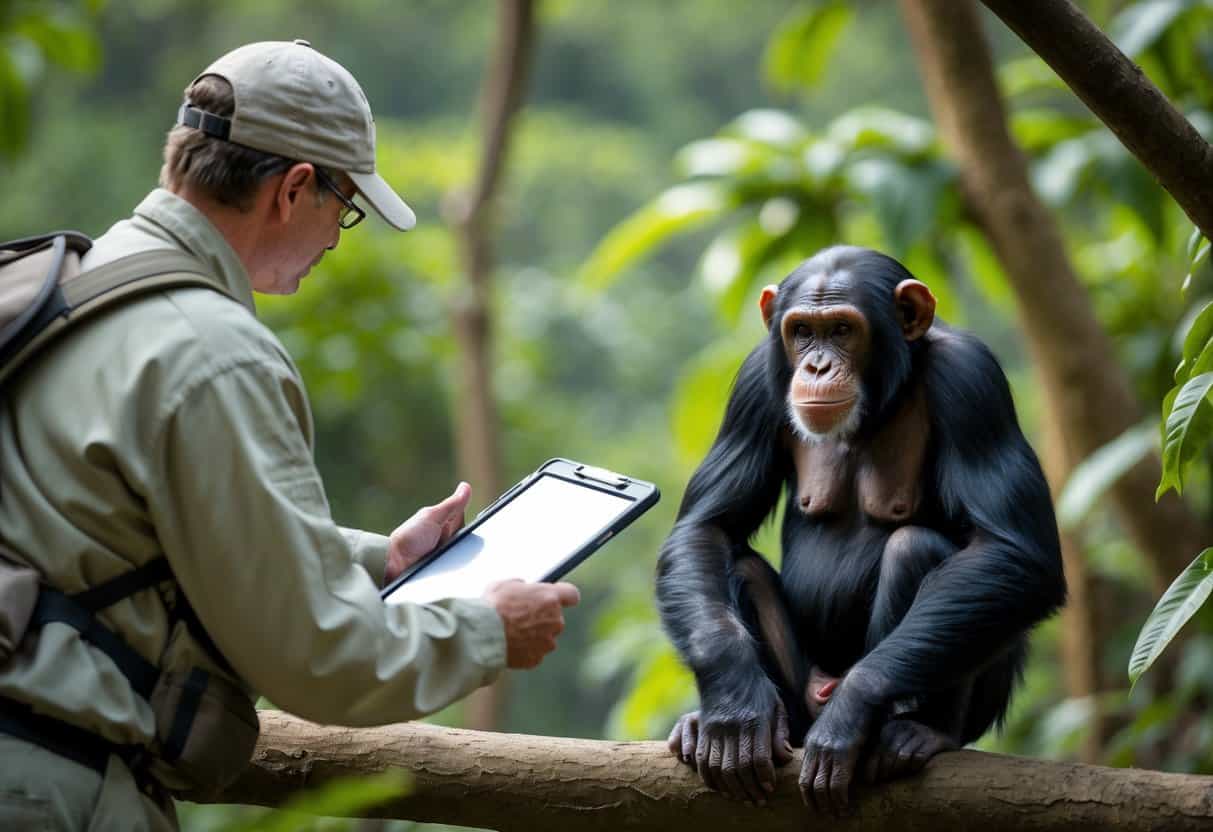
When you visit chimps in the wild, following the rules keeps both you and them safe. You’ll need to keep your distance, stay calm, and actually listen to your guide.
Knowing how to act makes the trip better for everyone—less stress for the chimps and way less risk for you.
Chimpanzee Trekking Guidelines
If you’re trekking, always stay at least 7 meters (23 feet) away from the chimps. Get too close, and you might stress them out or trigger aggression.
Move slowly and keep quiet. Sudden moves or loud noises can spook them.
Don’t make direct eye contact—chimps might take it as a challenge.
Trekking groups usually stay small, often no more than eight people. Local guides keep an eye on both you and the chimps.
They help enforce safety rules and protect habitats like Kibale National Park in Uganda and Nyungwe National Park in Rwanda.
Long sleeves and sturdy shoes protect you from ticks and thorns. Sometimes you’ll need a mask to avoid spreading diseases to chimps.
Stick to these guidelines, and your visit will be a lot safer—and honestly, more enjoyable.
Comparing Chimpanzee and Mountain Gorilla Safety
Trekking with chimpanzees or mountain gorillas calls for respect and a bit of caution, but there are some real differences. Mountain gorillas usually act much calmer.
When you track mountain gorillas, you keep about 7 meters away. These groups move at a slower, more predictable pace.
Chimpanzees? They’re way more active. Their moods can shift in a flash, so you really have to watch your step and avoid startling them.
Sometimes, their habitats even overlap. Still, chimpanzees mostly stick to denser forests and swing through the trees, which makes them harder to predict.
Your guide plays a huge role on both treks. They know the animals’ behavior and tell you exactly when to move or stay still.
Honestly, it’s best to listen up, stay quiet, and follow their lead. That way, you can steer clear of trouble and just take in some of the world’s most incredible wildlife.


