
Ever wondered if chimps can recognize faces the way we do? The answer’s actually yes—chimpanzees and their close cousins, bonobos, remember and recognize faces of other chimps, even after years apart.
These animals have surprisingly strong social memories. They spot old friends and family members decades after their last meeting.
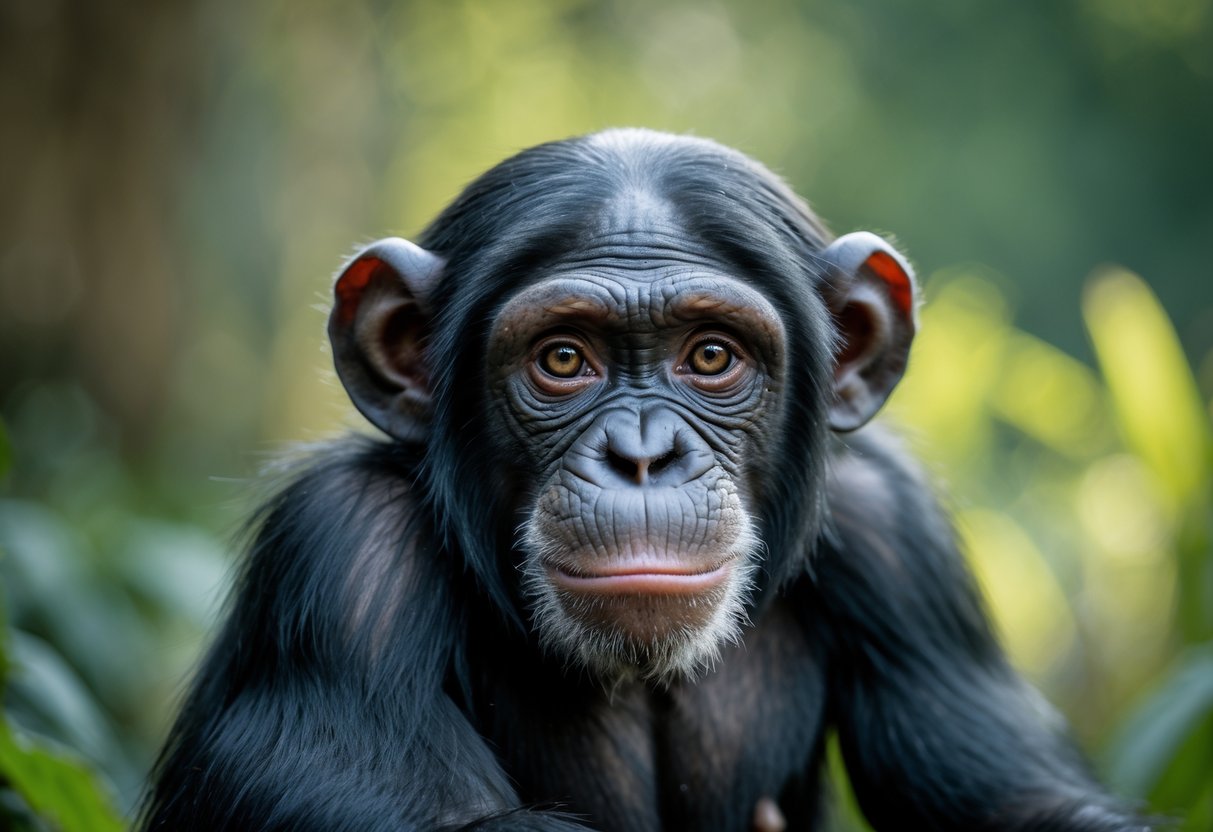
It’s not just about seeing a familiar face, either. Chimps pay more attention to those they had good relationships with, which really shows they remember the quality of their friendships.
If you think about it, their memory works in ways that feel a lot like ours. That’s pretty wild, right?
Knowing chimps recognize faces for so long reminds us how close we are to them, not just in DNA but in social smarts too.
It’s fascinating to see how this memory shapes their world and connects to our own evolution.
How Chimps Recognize Faces
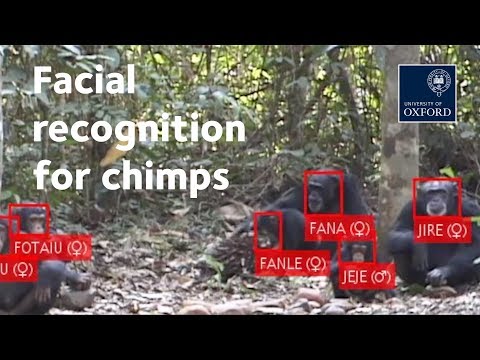
Chimps have a knack for spotting and remembering faces. They tell apart friends, family, and strangers, even if years have gone by.
These skills help them handle social life and group dynamics.
Face Recognition Abilities in Chimpanzees
Chimps recognize faces quickly. When someone shows them photos, they pick out individual chimps much like we do with people.
Their brains focus on features like eyes and face colors.
Comparative psychologist Laura Lewis and her team found that chimps use facial cues to tell each other apart. This skill helps them socialize and avoid conflicts.
It’s actually pretty cool that chimps even recognize infant faces by their unique color patterns.
Their face recognition is more complex than you might guess.
Long-Term Facial Memory in Chimps
Chimps remember faces for years—sometimes even decades. Laura Lewis’s research team noticed that chimps stare longer at photos of old friends or family they haven’t seen in ages.
Take Louise, a female chimp, for example. She recognized her sister after 26 years apart.
That kind of memory helps chimps keep track of allies and rivals as time passes.
Researchers used eye trackers and saw chimps spent more time looking at faces tied to happy memories. Their long-term memory seems closely linked to their emotions.
Differences in Face Recognition: Chimps vs. Humans
Chimps and humans both recognize faces, but we do it a bit differently. Humans lean on facial expressions, while chimps focus on eyes and colors.
One odd thing? Chimps can recognize other body parts, like behinds, almost as well as faces.
That helps them spot individuals in different ways.
We humans often remember faces for things like teamwork or trading. Chimps use their recognition skills for group hierarchy and social bonds.
So, the reasons and methods are a little different.
Influence of Social Relationships on Recognition
Chimps recognize the faces of close friends or family best. They look longer at pictures of apes they had good relationships with, like grooming buddies or playmates.
They don’t spend as much time on faces of rivals or strangers.
This shows that social experience shapes how well they remember others.
Male chimps especially seem to use this skill for managing power struggles and keeping alliances strong. Knowing who to trust is a big deal in their world.
Comparative Recognition in Bonobos and Other Primates
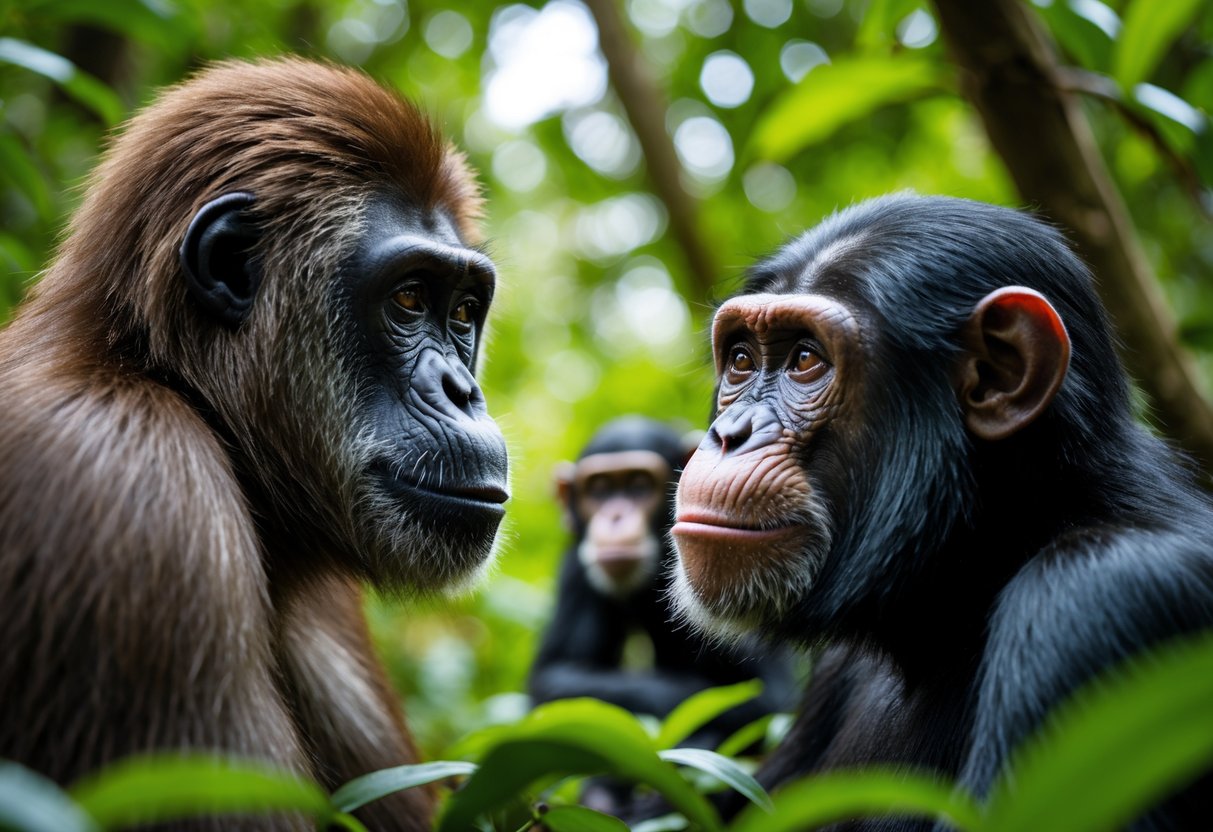
Bonobos have impressive face recognition skills, just like chimps. Their social memory also uses other cues.
The way bonobos and related primates remember friends or rivals gives us a peek into how deep and lasting these memories really are.
It also shows what helps them survive in their complicated social lives.
Face Recognition in Bonobos
Bonobos recognize faces of other bonobos even after years apart. Studies show they look longer at pictures of old groupmates than at strangers, even after more than 20 years.
That’s pretty similar to chimps, who also remember faces for ages.
It seems bonobos use this skill to keep track of important partners, manage friendships, and sidestep drama.
Since bonobos live in groups with lots of social bonds, recognizing faces helps keep things peaceful and cooperative.
Recognition Beyond Faces: The Role of Body Cues
Faces matter, but bonobos and chimps also use body posture and movement to recognize each other.
Animals pay attention to behaviors, like whether someone acts friendly or aggressive.
These body cues add to what’s in the face and help apes figure out social status and intentions.
Gestures and walking styles can even hint at past relationships.
So, primate recognition isn’t just about faces—it’s a mix of memory and reading social signals.
Evolutionary Roots of Primate Social Memory
When you start thinking about how bonobos recognize each other, it gets even more interesting if you look at their evolutionary background. Bonobos, just like chimpanzees, have a close connection to humans. Maybe that’s why all three species seem to have such strong, long-term social memory.
Comparative psychologists say this kind of memory probably evolved because it helps primates keep track of friends and rivals. If you remember who’s on your side—or not—for years, or even decades, it can shape how groups survive and cooperate.
This shared trait links bonobos, chimpanzees, and humans in a pretty fascinating way. They all carry these deep evolutionary roots in social memory.
Curious to learn more? You can dive into studies on bonobos and chimpanzees’ long-term social memory.


