
Ever caught yourself wondering if elephants might actually be smarter than chimps? You’re definitely not the only one. Both animals pull off some pretty impressive feats, but honestly, they do it in their own unique ways.
Most folks assume chimps are the winners here because they use tools and seem to solve problems at lightning speed. But elephants? They keep surprising people with their incredible memory, social smarts, and the way they figure things out.

Elephants hold their own against chimps, but their intelligence just looks… different. Chimps might show off with sticks and puzzles, but elephants use tools in ways that really suit their sense of smell and touch. If you want to understand how smart these animals are, you’ve got to look past the things that seem “human.”
As you keep reading, you’ll see how both animals think, feel, and connect with their world. Maybe you’re on Team Elephant or maybe you’re rooting for the clever chimp, but either way, it’s pretty clear why scientists put both at the top of the animal intelligence charts.
Comparing Elephant And Chimpanzee Intelligence

Elephants and chimps both show off their smarts, but you’ll notice their talents pop up in different ways. Their problem-solving, teamwork, and tool use really highlight how each species approaches life.
Key Differences In Cognitive Abilities
Elephants have this amazing memory and a real emotional side. They remember where to find water and important places for years, which is honestly pretty wild.
They also show empathy—comforting others when things get tough.
Chimps, though, take the lead with planning and tool use. They create and adapt tools to get what they want, which takes some real creativity.
Chimps also keep their social groups strong with gestures and grooming.
Both recognize themselves in mirrors. That’s self-awareness, and it’s not something you see every day in the animal kingdom.
Elephant Problem-Solving And Cooperation
Elephants tackle challenges together and use their strength to their advantage. You might spot them teaming up to move big obstacles or find food.
Joshua Plotnik’s research shows elephants sometimes invent new ways to get food, especially when they work together.
They keep their herds connected with deep rumbles that travel for miles. Elephants really care for each other—especially the little ones or those who are hurt—and use gentle touches and sounds to show it.
Their teamwork and emotional bonds shape how they solve problems. They focus more on helping the group than showing off individual skills.
Tool Use And Innovation In Both Species
Chimps get a lot of attention for their tool use. You can watch them fish for termites with sticks or crack nuts with rocks.
They even tweak their tools to make them work better, which is just clever.
Elephants approach tools differently. They don’t make tools as often, but they’ll grab a branch to scratch an itch or swat away bugs.
Their size lets them move logs or shape their environment in ways chimps can’t. Plotnik’s studies point out that elephants can get pretty inventive, especially when they work as a team.
Chimps rely on hand tools, but elephants mix intelligence with strength and social skills. Each uses what fits their lifestyle best.
If you want to dig deeper, check out more about elephant intelligence and cooperation.
Notable Elephant Intelligence Traits
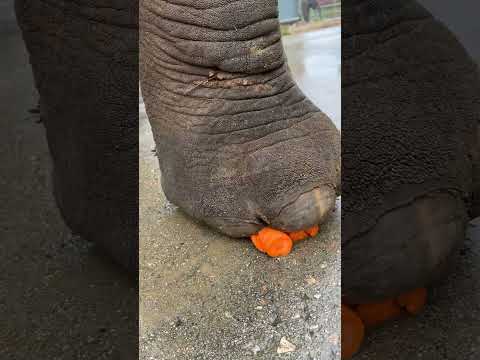
Elephants show off their intelligence with deep social ties, sharp memories, and some surprisingly clever communication. They even recognize themselves and can spot the differences between Asian and African elephants, which is pretty unique.
Social Structure And Empathy
Elephant families stick together. They live in groups led by a matriarch who keeps everyone safe and on track.
These families don’t split up—they stick by each other for life, showing real loyalty.
You’ll notice elephants showing empathy. If one gets hurt, others gather around or even try to lift the injured one.
They even mourn their dead, gently touching bones or covering bodies with leaves. That kind of emotion is hard to miss.
Their social skills help them survive and keep their bonds strong. When you watch them comfort each other, it’s obvious their intelligence goes way beyond just solving puzzles.
Memory And Communication
Elephants remember things for years—like where to find water, which routes to take, and even old friends they haven’t seen in ages.
This memory helps the whole family travel safely and find what they need.
They talk with low rumbles that most people can’t hear. These sounds travel through the ground for miles.
You’ll also see them using their trunks and body language to pass on messages.
Some elephants remember the calls of family members and can even pick out strangers. That keeps them connected and safe, especially when separated.
Self-Awareness And The Mirror Test
Ever wondered if elephants know who they are? Turns out, they do.
Elephants pass the mirror test, which shows they recognize themselves.
When they see their reflection, they use it to check out parts of their bodies they can’t normally see. That means they get it—that’s them in the mirror, not another animal.
Self-awareness like this is rare. It really shows elephants can think about themselves and what they’re doing.
Asian And African Elephant Capabilities
Ever wondered if Asian and African elephants really differ when it comes to smarts? They’re both incredibly intelligent, but each has its own quirks and strengths.
Asian elephants actually have a bigger brain compared to their body size. You’ll often see them using tools—sometimes they’ll move things around just to grab a tasty snack.
African elephants? They’re experts at solving problems. Their social lives are surprisingly complicated, almost like they’ve got their own secret society.
Both types show empathy and have sharp memories. Their surroundings really shape how they use that brainpower, though.
If you ever visit an elephant sanctuary, you’ll notice how each species learns and interacts in its own style. It’s honestly fascinating to watch.


