
You probably will never need to worry about a chipmunk killing a human. No well-documented, credible cases exist of a chipmunk causing a human death.
Chipmunks can bite, scratch, and carry germs, which is why you should not handle one. The real risk is usually a minor wound that gets infected, or a rare situation where a sick or trapped animal behaves unusually.
The Short Answer And Why The Risk Is So Low
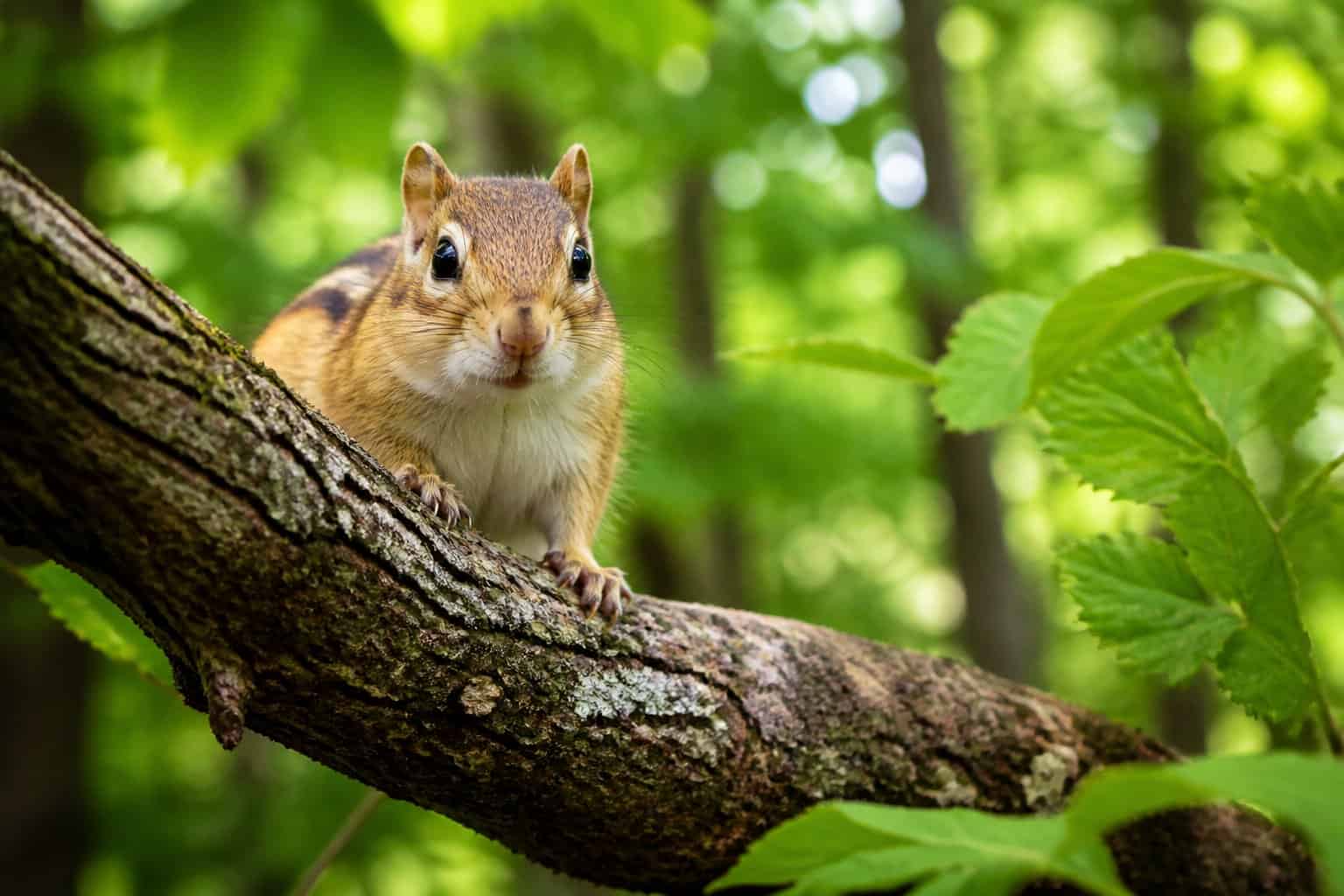
A chipmunk is a small rodent with tiny claws, limited strength, and a strong instinct to flee. That makes a fatal attack extremely unlikely, even if the animal feels cornered.
What Is Known About Fatal Chipmunk Encounters
People rarely report chipmunk attacks, and most incidents involve bites after someone traps, grabs, or feeds one too closely. A survival guide from Modern Survival Online explains that chipmunks are not dangerous in normal encounters and that a bite alone is unlikely to cause serious harm.
A human death would require an unusual chain of events, such as severe infection, major medical complications, or a completely separate cause. That is very different from a chipmunk directly killing someone.
Why Chipmunks Are Not Built To Be Lethal To Humans
Chipmunks use their speed, burrowing, and climbing abilities to escape danger, not to fight large animals. Their teeth can break skin, as noted in Modern Survival Online, but their size and strength make escape far more likely than overpowering a person.
They do not hunt humans, defend territory against people, or have the body mass to inflict traumatic injuries. A chipmunk can startle you, it can bite, and it can spread disease, though it is not physically equipped to be deadly.
What Harm Chipmunks Can Actually Cause
Most chipmunk-related harm comes from contact wounds and the infection risk that follows. The bigger concern is usually not the animal itself, but what gets introduced through the bite or scratch.
Bites, Scratches, And Infection Concerns
A chipmunk bite can hurt, draw blood, and leave puncture wounds that need cleaning right away. The wound can become infected if bacteria enter the skin, and rodents may also carry parasites or other germs, as described by Modern Survival Online.
If a chipmunk scratches you, treat it seriously too. Even small wounds deserve soap, running water, and close attention for redness, swelling, warmth, or increasing pain.
When A Small Animal Incident Could Become Medically Serious
A minor bite can turn serious if you are immunocompromised, have diabetes, or delay cleaning the wound. It can also become more concerning if the chipmunk acted strangely, seemed sick, or you were exposed to saliva on broken skin.
Seek medical care if the wound is deep, keeps bleeding, shows signs of infection, or if you are unsure about rabies guidance. A healthcare professional can decide whether you need additional treatment based on the exact exposure.
Why People Confuse Chipmunks With More Dangerous Animals
Search results can mix up tiny rodents with far more dangerous animals, and that creates a false sense of threat. The names may sound similar, yet the risk level is nowhere near the same.
Chipmunk Vs Chimpanzee
A chipmunk is a small rodent, while a chimpanzee, pan troglodytes, is a large primate capable of severe physical violence. If you are comparing the two, the danger profile is completely different.
That mix-up matters because a chipmunk bite is usually a minor wildlife incident, while a chimpanzee attack can be catastrophic. The species names are easy to confuse in search results, so you should check the animal carefully before trusting what you read.
How Search Results About Pan troglodytes Can Mislead Readers
Some search pages about pan troglodytes discuss aggression, strength, or human injury, and those details do not apply to chipmunks. If you skim too quickly, you may assume the same level of danger applies to a backyard rodent.
When you see animal safety advice, make sure the article matches the exact species. A chipmunk is not a primate, not a predator, and not a realistic threat of fatal violence.
How To Stay Safe Around Wild Chipmunks
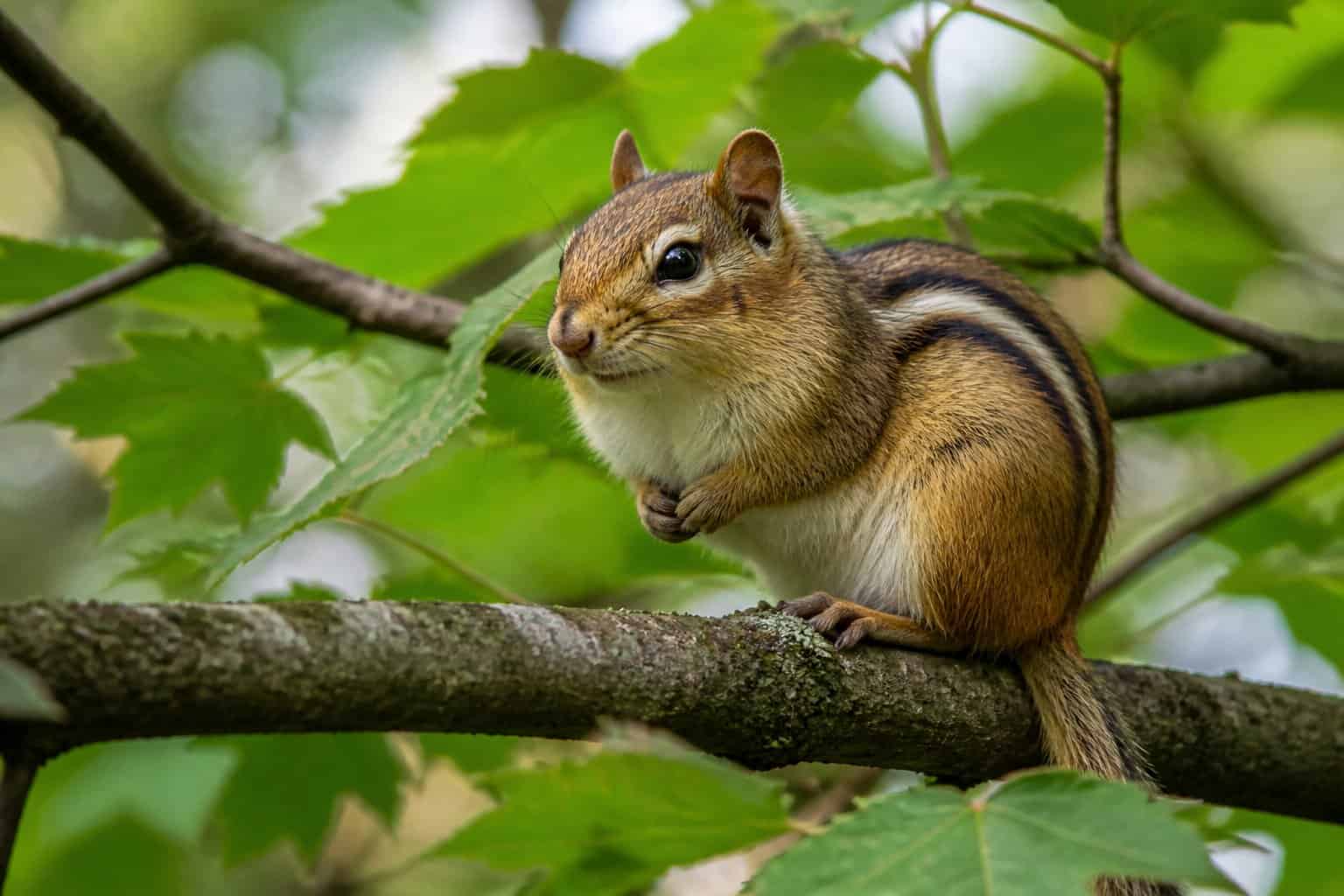
Keep your distance and avoid feeding or touching wild chipmunks. If one gets too bold, back away slowly and give it room to leave.
What To Do If A Chipmunk Bites Or Scratches You
Wash the area with soap and running water right away for several minutes. Apply pressure if it is bleeding, use an antiseptic if available, and watch for infection over the next day or two.
If the wound is deep, your tetanus shot is out of date, or the chipmunk was acting oddly, contact a healthcare professional promptly. The guidance from Modern Survival Online also supports caution around strange or aggressive behavior.
Smart Ways To Prevent Problems At Home And Outdoors
Do not feed chipmunks. Keep pet food secured and clean up bird seed spills and garbage.
Purdue, working with the USDA, recommends sealing openings with hardware cloth, caulking, or similar materials to keep chipmunks out of buildings.
Stay alert near burrows, woodpiles, and brushy areas where chipmunks may hide. Leave chipmunks alone and keep your property tidy to lower the risk of bites or scratches.


