
If you’re tired of mice or chipmunks sneaking into your space, you’re probably looking for a quick fix. Honestly, one of the simplest tricks is just using smells they can’t stand. Mice and chipmunks really hate strong scents like vinegar, peppermint, garlic, and cayenne pepper. Their noses are so sensitive that these odors make your home or garden feel like a no-go zone.

Natural repellents like these can help protect your plants, food, and property without harsh chemicals. Try spraying vinegar around trouble spots, or toss some peppermint oil–soaked cotton balls near entryways.
You’ll create a barrier that chipmunks and mice just don’t want to cross. Curious what else works? Let’s dig into how to use these scents for a pest-free space with stuff you probably already have at home.
Top Scents That Mice and Chipmunks Hate

Some strong scents really do the trick to keep mice and chipmunks away. Their noses get overwhelmed, so your place feels less like a rodent hangout.
Natural scents can create barriers these little guys avoid. You don’t need harsh chemicals for that.
Peppermint Oil and Menthol Fragrances
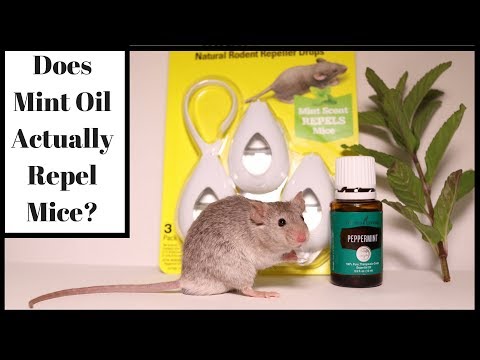
Peppermint oil works wonders for repelling mice and chipmunks. The scent is just too much for them.
Peppermint and menthol overwhelm their sense of smell and mask the food trails they follow. If you soak cotton balls in peppermint oil and stash them near holes, under porches, or around the garden, you’ll notice fewer visitors.
Mixing peppermint oil with water for a spray works too. It smells fresh to us, but rodents can’t stand it.
Menthol fragrances have a similar effect. They mess with how chipmunks and mice sense what’s around them, so they stay away.
Vinegar and Sharp Acids
Vinegar—especially apple cider or white vinegar—smells super harsh to rodents. The acidity just hits their noses all wrong.
Fill a spray bottle with equal parts vinegar and water. Spray it on entry points, garden beds, or wherever you’ve seen rodent activity.
This regular spritzing keeps them guessing and discourages visits. Vinegar can bother other pests too, so it’s a bonus.
Just don’t go overboard on your plants. Too much vinegar can damage leaves or flowers.
Spicy Peppers and Capsaicin
Cayenne pepper and other spicy peppers pack a punch thanks to capsaicin. Rodents really hate that burning sensation.
Sprinkle ground cayenne around garden borders or flower beds. Or mix it with water and a little baking soda for a spray.
The heat creates a natural, non-toxic barrier. Squirrels hate it too, so you get double the effect.
Garlic, Onions, and Strong Plant Aromas
Garlic and onions give off strong odors because of sulfur compounds like allicin. Rodents find these smells super irritating.
Plant garlic or onions in your garden to keep chipmunks from digging or snacking nearby. Crushing garlic cloves or sprinkling garlic powder works as well.
Strong-smelling plants like mint or basil can help too. Their aromas make rodents think twice about sticking around.
Plus, you get fresh herbs for your kitchen. Not a bad deal.
For more ideas, check out 15 Scents That Chipmunks Hate – How To Use Them.
Other Effective Repellent Scents and Methods
You can mix up natural scents and household items for extra rodent protection. Some tricks use smells that mimic danger, while others just make rodents uncomfortable.
Predator Urine and Ammonia
Predator urine works because it smells like a threat to rodents. You’ll find it online or at garden stores.
Place it near gardens or entry points to make mice and chipmunks think a predator is close by. Ammonia gives off a sharp odor that reminds rodents of animal urine.
Soak cotton balls in ammonia and put them where you’ve seen rodents. Just be careful—ammonia is strong stuff, and it can irritate your skin, eyes, or lungs.
Keep it out of reach from pets and kids. Use both predator urine and ammonia sparingly, and refresh them often.
Coffee Grounds and Household Products
Used coffee grounds can keep rodents at bay with their bitter smell. Spread damp grounds around raised beds, burrows, or problem spots.
It’s a simple way to recycle and deter pests. Dryer sheets work for a little while too.
Their strong scent confuses and annoys rodents, but it fades pretty fast. Toss some behind furniture or in cabinets, but don’t expect long-term results.
You’ll get the best results when you use these alongside other repellents.
Citrus, Lavender, and Natural Oils
Citrus scents—lemon or orange especially—overwhelm rodents’ noses. Use fresh peels or dilute oils in a spray bottle.
Target entrances or spots where you’ve noticed activity. Lavender and eucalyptus oils can make your space unpleasant for mice and chipmunks.
Funny enough, lavender calms us but really bothers rodents. Soak cotton balls in these oils and place them strategically.
Clove and cinnamon oils add an extra punch. Their strong smells irritate rodents’ noses and eyes.
Keep your sprays or oil-soaked balls fresh to maintain the barrier.
Specialty Solutions: Blood Meal, Mothballs, and Dryer Sheets
People often use blood meal as a fertilizer, but it also keeps rodents away because of its strong smell. If you sprinkle it around your garden or raised beds, you’ll probably notice fewer chipmunks hanging around.
It’s safe for most plants. Still, you shouldn’t count on blood meal alone to solve your problem.
Mothballs have naphthalene, and rodents really can’t stand it. Toss some in dark, dry spots like cabinets or the basement.
But here’s the thing—mothballs are toxic for pets and kids. They can even give you a headache, so you really have to use them with caution.
Dryer sheets work as a quick fix. They put out a strong scent at first, which drives rodents off, but honestly, the effect doesn’t last long.
Stash dryer sheets in hidden corners and swap them out often if you want to keep up the smell.
Mixing up these scents and tricks gives you a bunch of flexible options to help keep mice and chipmunks out of your space.


