
If you’ve seen rats scurrying around your house, you might start to wonder—could they bite you? House rats do sometimes bite humans, but it’s really only when they feel scared or cornered. Most of the time, they’ll try to avoid you and won’t just attack for no reason.
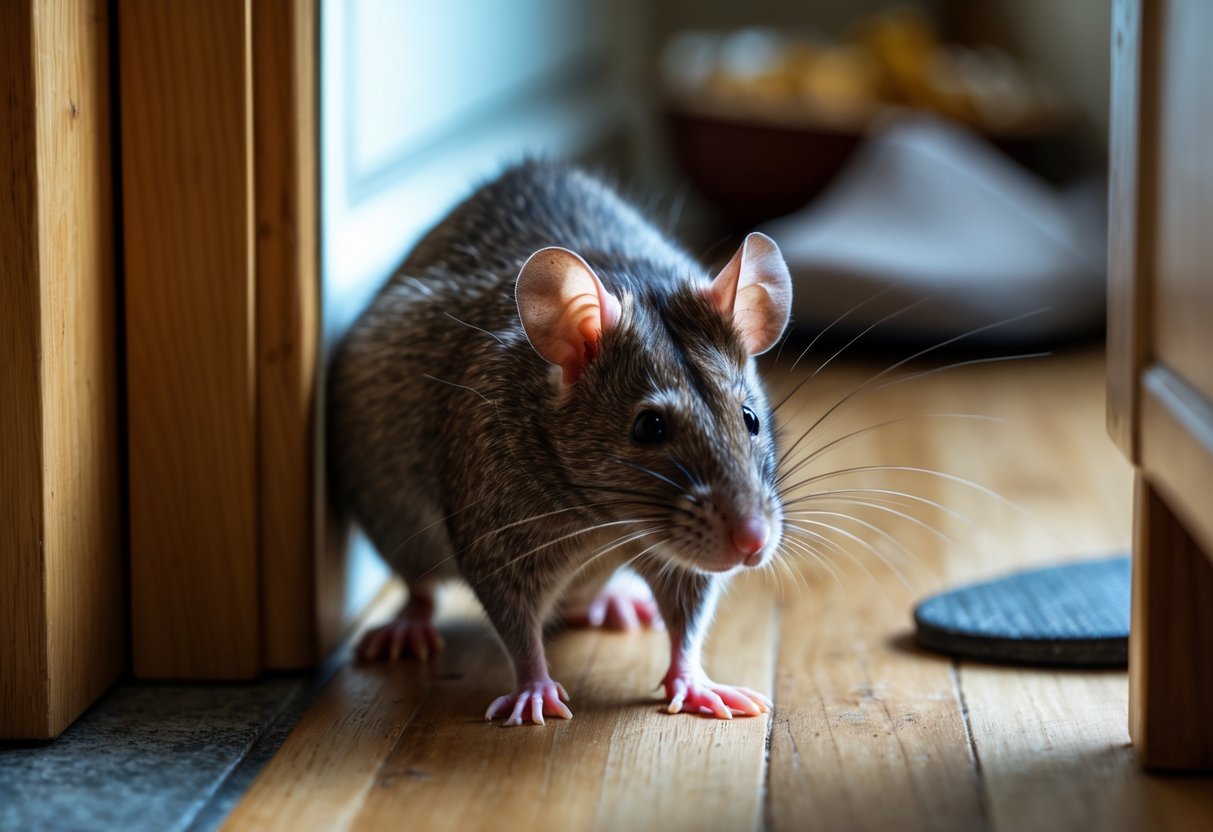
Most bites happen when someone corners a rat, surprises it, or gets too close to its babies. If you know this, you can avoid situations where a rat might freak out and bite.
Learning a bit about how rats act can help you feel less anxious and more prepared if you run into one.
Rats get a bad rap, honestly. If you know why and when they bite, it’s easier to stay calm and handle things the right way if you ever do get bitten.
You’ll also pick up some tips for protecting yourself and keeping your place rodent-free.
When and Why Do House Rats Bite Humans?

Rats aren’t out to bite people. They usually only do it if they feel trapped or really scared.
If you get what makes them nervous, you can avoid a bad run-in. It also helps to know how wild rats and pet rats act differently, and what actually triggers a bite.
Typical Rat Behavior Around People
Rats just aren’t naturally aggressive toward people. They’d rather stay hidden and keep their distance from you.
Most will bolt if you get too close. If a rat does bite, it’s almost always because it thinks it has no other choice.
Biting is a last-ditch move when it can’t run away. Sometimes, if you block its path or startle it, the rat might snap.
They’re not out to get you, but they will stand up for themselves if they feel they have to.
If you don’t corner them or make sudden moves, you’ll help keep things calm.
Differences Between Wild Rats and Pet Rats
Wild rats and pet rats act pretty differently around people. Wild rats see you as a threat and want nothing to do with you.
They’ll bite mostly if you trap them or scare them half to death.
Pet rats, though, can learn to trust you. If you spend time with them, they get used to you.
They might still bite if you handle them roughly or startle them, but it’s less likely.
Gentle handling goes a long way, whether the rat is wild or a pet. Pet rats, especially, need time to figure out you’re not a threat.
Triggers That Can Cause a Rat to Bite
Certain things set rats off and make them bite. Feeling cornered, trapped, or threatened tops the list.
Sudden movements and loud noises can freak them out. If you grab a rat too quickly or yank it by the tail, it’ll hurt and the rat might bite.
If a rat has babies nearby, its protective instincts kick in. It’ll bite if it thinks you’re a danger to its young.
Rats might also bite if they feel you’re invading their territory.
Quick tips to avoid biting:
- Move slowly near rats
- Never grab them by the tail
- Let wild rats have an escape route
- Be gentle and calm with pet rats
If you give them space and pay attention to their signals, bites are a lot less likely.
You can learn more about biting behavior at Do Rats Bite People? – Pest Source.
Health Risks and Dangers of Rat Bites

Rat bites aren’t just painful—they can cause some real health problems, and sometimes you need to act fast.
Infections, diseases, and germs from rats or their urine can put your health and home at risk.
Knowing about these dangers helps you protect yourself and your family.
Rat Bite Fever and Other Diseases
Rat bites sometimes lead to a disease called rat-bite fever (RBF). There are two types, caused by different bacteria.
Symptoms usually include fever, joint pain, rashes, and muscle aches. They might show up days or even weeks after the bite.
Rats also carry other illnesses, like leptospirosis, which spreads through their urine and causes fever and muscle pain.
You can catch salmonellosis from touching rat droppings. And, though it’s rare, rats can carry hantavirus, which affects your lungs and can get pretty serious.
If you don’t treat infections quickly, things can get worse. Watch out for swelling, redness, or fever after a bite.
Recognizing and Treating Infections
If a rat bites you, wash the wound right away with soap and warm water. Put on an antibiotic ointment and cover it up with a clean bandage.
Signs your bite might be infected include:
- Redness and swelling
- Pus or oozing
- Throbbing pain
- Fever or chills
If you notice any of these, get to a doctor soon. You might need antibiotics or a tetanus shot if it’s been more than five years since your last one.
Even if the bite looks small, seeing a doctor can help you avoid serious problems like rat-bite fever.
Always follow your doctor’s advice and finish any medicine they prescribe.
Risks Beyond Bites: Rat Urine and Property Contamination
Rat urine brings in some nasty bacteria and viruses that can infect you—even if you never get bitten. Diseases like leptospirosis and hantavirus spread when you touch urine or surfaces rats have contaminated.
If rats move in, they might bring salmonellosis by getting into your food or kitchen. Their urine and droppings mess up your property, leave terrible smells, and even start fire risks when they chew on wires.
Want to protect your home? Keep things clean, seal up holes, and get rid of food sources that attract rats. If you notice rats or any signs of them, don’t wait—take action to lower health risks and stop damage before it gets worse.
For more details, check out Mice and Rat Bites: Dangers & Prevention.


