
Ever wondered if rats actually run away from humans? Well, in most cases, they do. Rats feel naturally afraid of people, so they’ll usually keep their distance and hide if they sense someone coming.
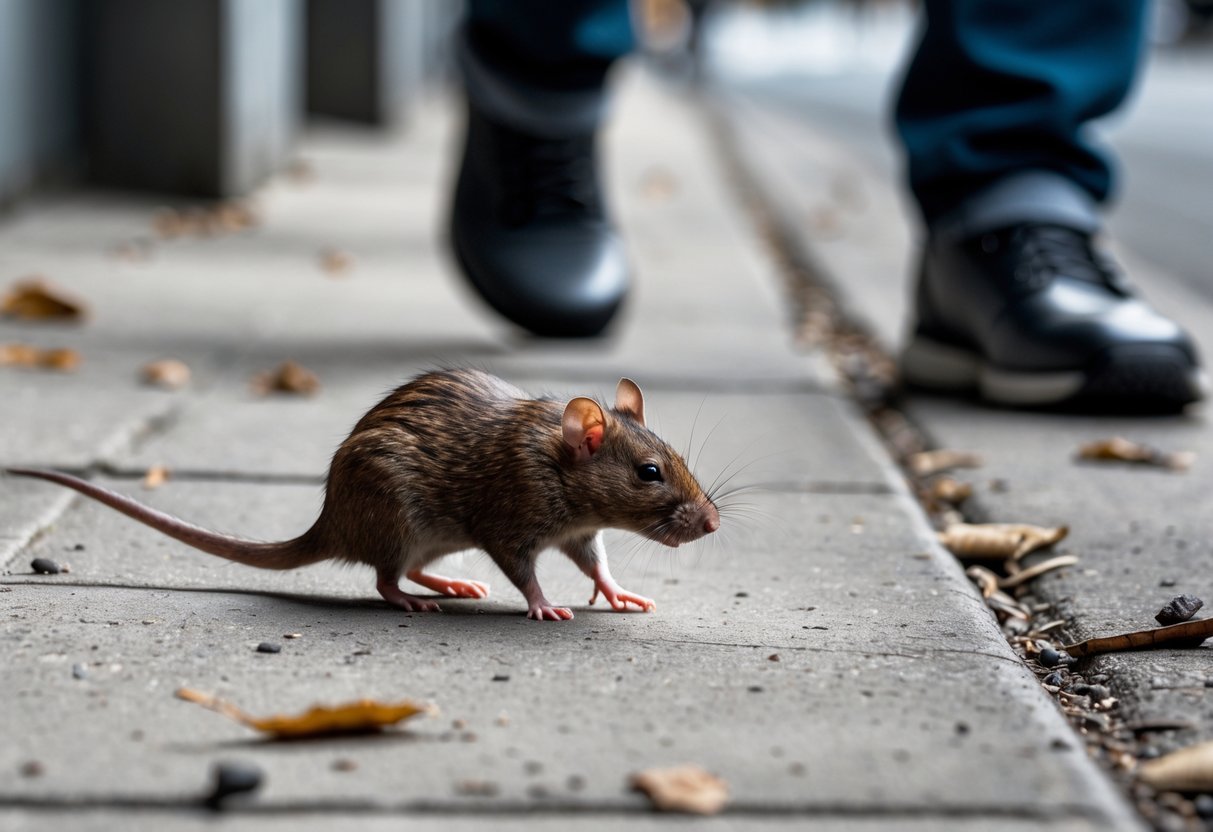
But if you corner a rat or it feels trapped, things can get dicey. Sometimes, a rat might even act aggressive instead of fleeing. On the flip side, pet rats or ones that have grown used to people might actually follow you around or come closer. If you understand when and why rats run away, you’ll have a better shot at handling them and keeping your place safe.
Do Rats Run Away From Humans?
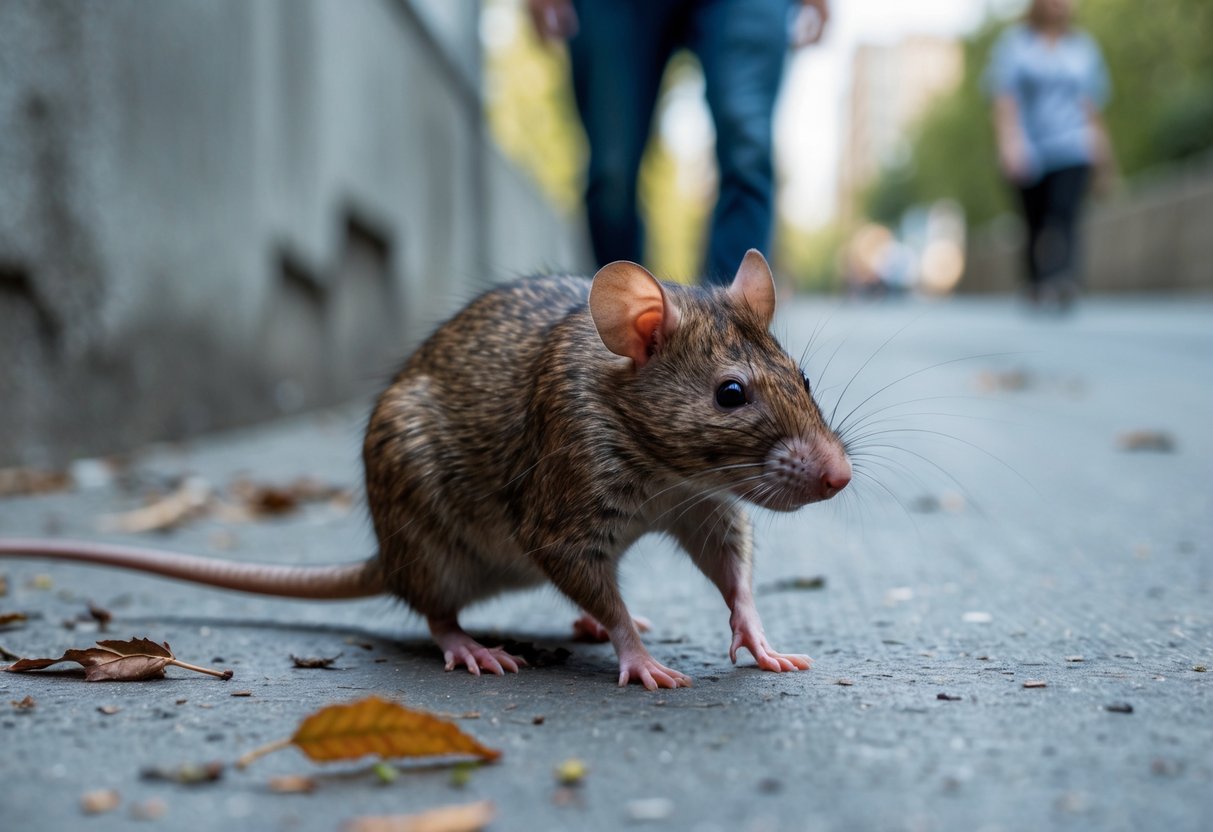
Most of the time, rats do their best to steer clear of humans. They see us as big, unpredictable threats. Their reactions depend a lot on where they live and what kind of run-ins they’ve had with people before.
Instinctive Fear and Flight Response
Rats come hardwired with a fear of larger animals, including humans. That instinct keeps them alive. When a rat spots you, it usually freezes for a second, then bolts.
Rats almost always choose escape over confrontation. If they get stuck with no way out, they might bite, but that’s rare. Biting puts them in more danger, so they’d rather just dash away.
Their quick getaways help them survive in places full of predators—yeah, even us.
Differences Between Wild Rats and Urban Rats
Wild rats act way more cautious than their city cousins. Out in nature, they don’t bump into people much, so when they do, they’re gone in a flash.
City rats, though, see people all the time. Some of them get pretty bold, especially if they smell food nearby. They weigh the risk of being close to humans against the chance of grabbing a snack.
Still, even the bravest city rat will take off if you get too close or make a sudden move. It’s all about their environment, really.
Factors That Affect Rat Behavior Around People
Several things shape how rats react to you. Genetics play a part—some rats just seem jumpier than others.
Their neighborhood matters, too. Rats living in busy places get used to seeing people and might not spook as easily. Loud noises or quick movements usually send them running, though.
How you behave makes a difference. If you move slowly and calmly, rats might not feel so threatened. But if you chase or corner them, they’ll get defensive fast.
If you pay attention to these things, you’ll start to see why rats sometimes run away and other times just hang around. For more on rat behavior, check out Humane Wildlife Control Society or Pest Source.
Why Don’t All Rats Avoid Humans?
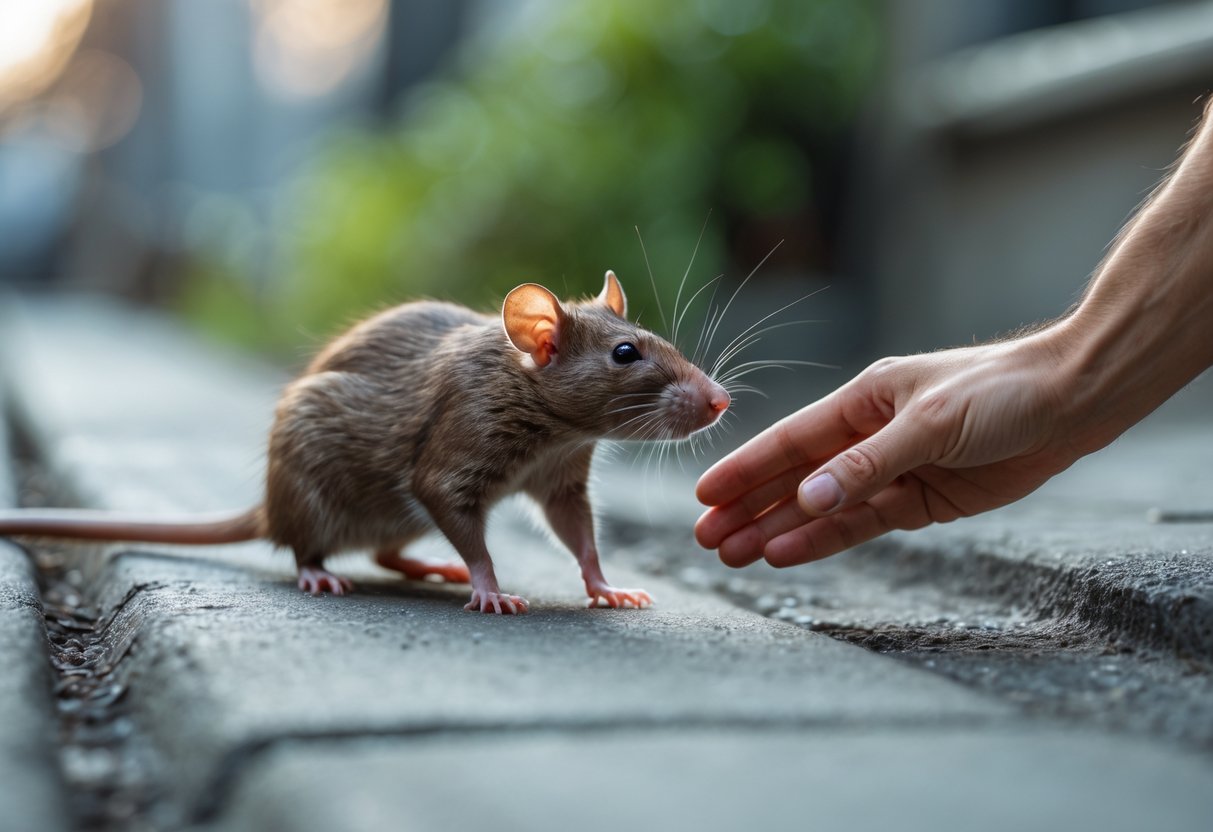
Not every rat runs off when it spots a person. Sometimes, you’ll see a rat acting oddly bold or just not bothered by you. That can be a little unsettling, honestly.
Unusual or Bold Rat Behavior
Most rats shy away from people, but some seem weirdly unafraid. City rats that see people all the time get used to us and might come closer, especially if they think there’s food.
If a rat acts strange or doesn’t run, it could be sick or injured. Rats carrying diseases sometimes behave oddly. If you spot a rat acting off, it’s smart to keep your distance.
Health Risks of Close Encounters
Getting close to rats isn’t just creepy—it’s risky. Rats can spread germs like hantavirus, which can mess up your lungs. Their droppings and urine carry bacteria, too.
If a rat doesn’t seem scared of you, it probably hangs around your place more than you’d like. Keeping things clean and blocking off entry points helps protect you from health problems rats bring.
Rat Bites and Defensive Actions
Rats honestly don’t want to hurt people—they’d rather just bolt and disappear. Still, if a rat feels trapped or threatened, it might bite to protect itself.
These bites hurt and can get infected if you don’t treat them. If a rat bites you, wash the wound right away and talk to a doctor.
Rat bites sometimes spread infections. Try not to chase or corner rats, since that just makes them more likely to bite or scratch.


