
So, you’ve spotted a rat scurrying through your garden at night. You might be hoping it’s just one, but honestly, seeing a single rat usually means there are more nearby. Rats stick together. They’re social animals that like company.
Sure, you might catch a lone rat out and about, but that’s not the norm. Rats tend to travel and nest in groups, so one sighting often hints at a bigger crowd.

Your garden probably offers food, water, and shelter—pretty much all a rat could want. That’s why more than one usually shows up. When space or snacks run low, rats might even come out in daylight or wander into new spots.
If you’re trying to figure out if you’ve got a single visitor or a whole gang, you’ll want to know what signs to look for. Let’s talk about what you should keep an eye on and what you can actually do about it.
Is It Possible to Have a Lone Rat in Your Garden at Night?
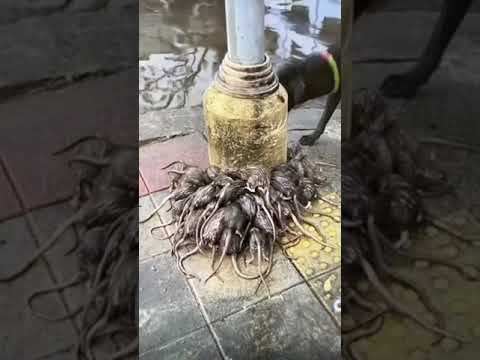
Sometimes, you’ll spot just one rat sneaking around at night. Maybe it’s a solo explorer—or maybe it’s the tip of the iceberg. Knowing a bit about how rats act can help you figure out what’s going on.
Understanding Rat Behavior
Rats like to live in groups called colonies. They’re social. Still, you might see a lone rat if it’s young or out looking for a new place to settle. These critters mostly come out at night, searching for food, water, and somewhere safe to hide.
If you catch just one rat, it might be passing through instead of moving in. Sometimes, rats just use gardens as shortcuts to reach food sources like fruit trees or compost piles.
A single rat could also be on the hunt for a new home if it got chased out of its old spot.
Signs of a Single Rat Versus an Infestation
Wondering if you’ve got one rat or a bunch? Check for clues. A single rat doesn’t leave much behind. Maybe you’ll spot some droppings or a few gnaw marks near where it got in.
But if you notice:
- Several burrows outside
- Lots of fresh droppings all over
- Greasy smears along walls or boards
- Scratching or scurrying sounds at night
That’s a sign you’re dealing with more than just one.
When you hear banging or see a bunch of tiny footprints, that’s a pretty good hint there’s a group making themselves at home.
Common Reasons for Nighttime Rat Visits
Rats usually show up at night because your garden gives them what they need. Leftover food, fallen fruit, pet food, or open trash cans are basically an invitation.
Water from birdbaths or leaky hoses can draw them in too. Dense plants, wood piles, or sheds make great hiding spots.
Sometimes, a rat ends up alone at night because something chased it out of its old home. It might be searching for a new place or just trying to find food, especially when it’s cold and resources are tight.
How to Detect, Prevent, and Manage Nighttime Rat Visitors

Rats mostly come out after dark, so catching signs early can help you stop a little problem from turning into a big one. Keep an eye out for droppings, gnaw marks, and easy food sources. Sometimes, natural predators help out, but you might need to step in.
Identifying Rat Droppings and Gnaw Marks
Rat droppings look dark brown or black and are about the size of a grain of rice. You’ll usually find them in piles near walls, under sheds, or close to compost bins.
If you notice these droppings, rats are probably around.
Rats chew constantly to keep their teeth in check. Look for bite marks on wood, plastic, garbage cans, or even garden furniture. If you spot small scratches or bites near food or shelter, rats are likely stopping by.
Don’t forget—rat droppings are bigger than mouse droppings. Always wear gloves when cleaning them up.
Preventing Rats Around Compost Bins and Food Sources
Compost bins attract rats because they offer easy food and a cozy spot to hide. Use bins with tight lids and make sure there aren’t any gaps or holes. Skip adding meat, dairy, or greasy stuff to your compost—they’re like magnets for rats.
Store pet food and bird seed in sturdy metal containers with snug lids. Keep garbage cans sealed and away from your house. Pick up fallen fruit, nuts, or veggies from your garden as often as you can.
Take a look around for any scraps or water that could tempt rats. Cutting off their food and water is one of the best ways to keep them from showing up at night.
When to Call Pest Control or Encourage Natural Predators
If you spot a bunch of droppings or gnaw marks, or start hearing scratching at night, you might have more than just a stray rat or two. That’s usually when I’d call pest control—better to catch it early than wait until things get out of hand.
Pest control pros set up traps and baits the right way, so you don’t have to worry about pets or wild critters getting hurt. But if you’re not into chemicals or traps, you can always make your yard more inviting for natural predators like owls, snakes, or even the neighbor’s cat. Those guys do a surprisingly good job keeping rat numbers down.
React quickly when you notice the first signs. Acting early makes a big difference if you want to keep your garden free of rats.
If you’re curious, you can check out more tips in this guide on detecting and managing rats at night.


