
So, you spotted a rat in your garden. That’s enough to make anyone uneasy, honestly. It’s worth being concerned—rats can wreck your plants, bring in diseases, and attract even more pests. If you see one, there’s a good chance others are lurking nearby. Ignoring it? Well, that could just make things worse.
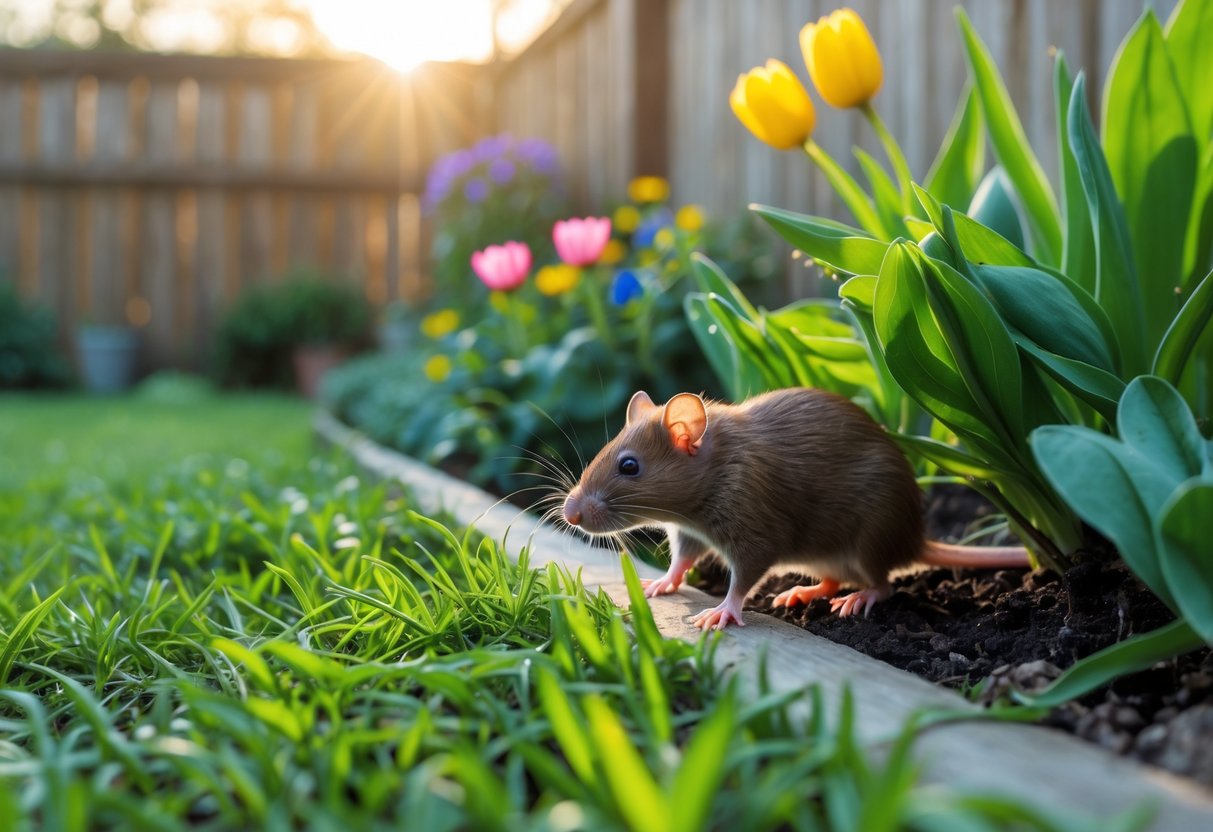
Rats don’t just show up for no reason. They’re after food, water, or a cozy hiding spot.
Maybe your garden has fallen fruit, an open compost bin, or thick bushes—perfect for rats. If you know what to look for and how to react, you can protect your outdoor space.
Taking action early keeps your garden safer for your family and pets. This guide will help you notice the warning signs and give you some practical steps to deal with rats before things get out of hand.
You can find more details at Should I Be Worried If I See a Rat in My Garden? Key Facts & Next Steps.
Should I Be Worried If I Saw a Rat in My Garden?

Spotting a rat in your garden can feel unsettling. Rats can mess with your health, signal a bigger problem, and damage your plants and property.
If you know what a rat sighting really means, you can act fast and keep your space safe.
Immediate Health Risks of Rat Presence
Rats bring diseases that can put you, your family, and your pets at risk. Their droppings, urine, and saliva carry illnesses like salmonella, leptospirosis, and hantavirus.
If you touch droppings or nests without gloves, you could pick up germs. When you work in the garden, it’s smart to wear gloves and wash your hands well after.
Kids and folks with weaker immune systems face higher risks. Plus, rats can carry fleas and ticks that might jump to your pets.
It’s best to avoid any contact with rats or their waste—just not worth the risk.
What One Rat Sighting Really Means
If you spot one rat, you can bet there are probably more. Rats prefer to live in groups and rarely roam alone.
Female rats can have lots of babies in a short time, so a small problem can grow fast.
Check your garden for droppings, burrows, or chewed leaves. These signs help you figure out where rats are hiding and how bad the situation is.
Seeing a rat should prompt you to look closer and take steps to make your garden less inviting.
Potential for Infestation
Rats multiply quickly, and a few can turn into a full-blown infestation before you know it. Female rats can have several litters a year, each with up to a dozen pups.
If your garden has food scraps, fallen fruit, or thick bushes, rats will see it as a buffet and a safe home.
Ignoring the first signs only lets the problem grow.
Keep an ear out for noises at night or look for fresh holes in the ground. Taking action early can stop rats from overrunning your garden.
Types of Damage Rats Can Cause
Rats don’t just carry disease—they can really mess up your garden and property. They chew through plant stems and roots, sometimes killing your flowers or veggies.
They’ll gnaw on fences, wires, pipes, and even your garden tools. Sometimes, this kind of damage can lead to expensive repairs or even fire hazards if they get to electrical wires.
Look for holes in leaves, chewed-up fruit, or snapped stems. Their droppings also make your garden less safe and clean.
If you remove food sources and hiding spots, you can help keep rats away.
For more ideas on dealing with rats and protecting your space, check out Should I Be Worried If I See a Rat in My Garden.
How to Respond If You’ve Spotted Rats
When you see a rat in your garden, it’s time to act—don’t wait around. Look for signs, clean up safely, and try out some prevention steps.
Sometimes, you might need to call in the experts.
Inspecting for Rat Droppings and Activity
Start by searching your garden for rat droppings. They’re small, dark, and look a bit like grains of rice or raisins.
You’ll usually find droppings near food, burrows, or nests.
Check for burrows—these are small holes in the ground, often close to plants or compost piles. You may also hear scratching or scurrying noises at night.
Look for gnaw marks on plants, wood, or fences. Rats chew to keep their teeth from growing too long, so chew marks mean they’re around.
Make notes about where you spot droppings or holes. This helps you focus your efforts.
Effective Prevention Tips for Gardens
If you want to keep rats away, make your garden less appealing. Store pet food and birdseed in sealed containers.
Pick up fallen fruits and veggies often. Leaving them out is like an open invitation for rodents.
Trim overgrown plants and get rid of piles of leaves or wood. Rats love hiding in clutter.
Try putting up fencing that goes a bit underground to block burrowing. Some people use peppermint oil around the edges as a natural repellent.
Keep checking for new signs so you can act before rats settle in for good.
Safe Clean-Up and Hygiene Practices
When you clean up after rats, always wear gloves and a mask. That way, you won’t breathe in anything nasty.
Don’t sweep or vacuum droppings—it stirs up harmful stuff in the air. Spray droppings with disinfectant or a bleach mix, then wipe with paper towels.
Throw waste away in sealed plastic bags. Wash your hands really well with soap and water after.
Keep compost bins tightly covered and don’t leave pet food outside overnight.
If you stick to safe cleaning habits, you’ll help protect your family from diseases that rats can spread.
When to Contact Professional Pest Control
If you notice a bunch of rats, fresh droppings, or burrows, or if nothing you try seems to work, it’s probably time to call a professional.
Pest control experts can check things out and offer treatments you might not be able to get on your own.
They know how to use poisons or traps safely, so your pets and kids stay out of harm’s way.
If rats keep coming back after you’ve tried everything, or if your garden’s starting to show real damage, getting professional help matters a lot.
Honestly, reaching out sooner rather than later might save you a lot of hassle.
If you want more info on what to do when you spot a rat, check out what to do if you see a rat in your garden.


