
Spotting a rat in your garden is unsettling, and honestly, you probably should be concerned. Rats can wreck your plants, spread nasty diseases, and even lure in more pests.
They don’t just show up for no reason. Usually, they’re after food, water, or a cozy spot to hide.
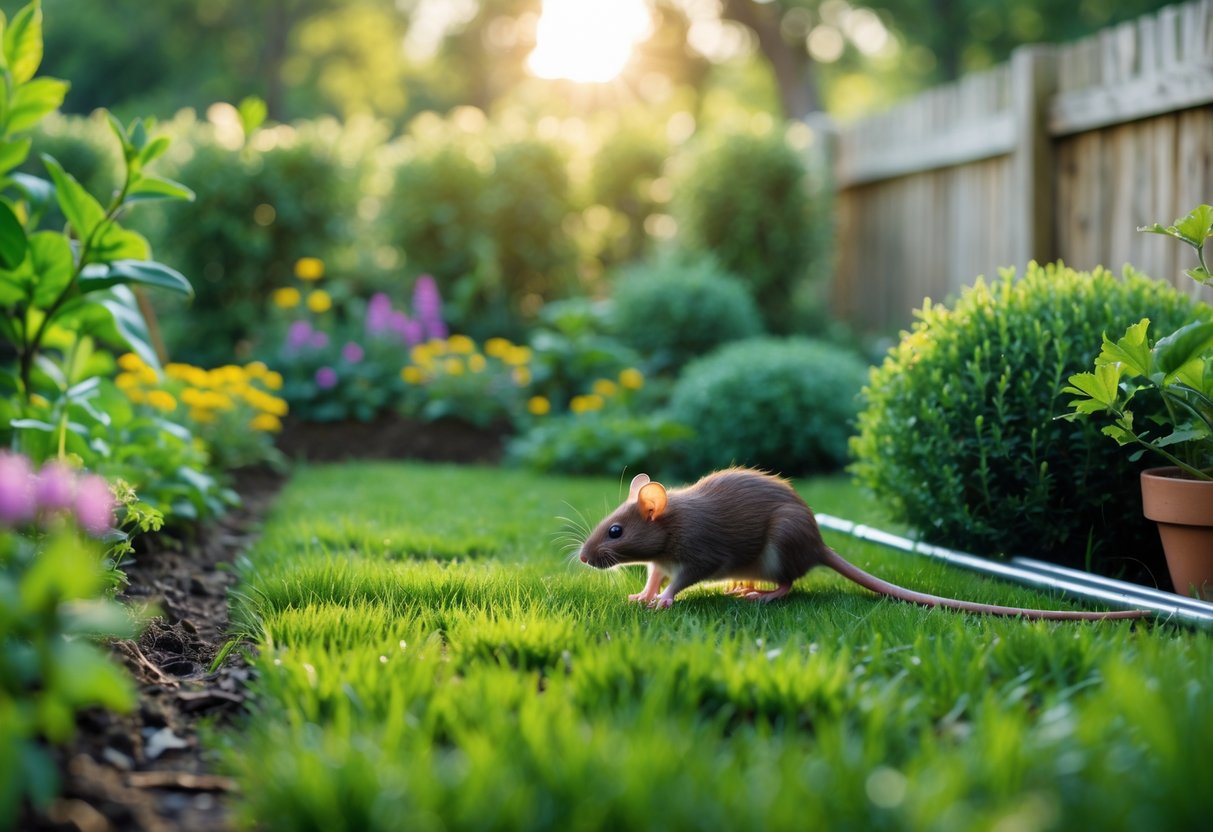
If you find droppings, burrows, or chewed leaves, you’ll want to act fast to stop things from getting worse. But don’t panic—there are some straightforward things you can do to keep your garden in good shape.
Knowing why rats show up and what to do about it helps you keep your outdoor space safe. Let’s break down what to look for and how to handle rats if they’re making themselves at home.
Assessing the Risks of Rats in Your Garden

Seeing a rat outside can make anyone uneasy. Rats threaten your health, mess up your plants, and might even endanger pets.
It’s important to understand these risks so you know when to step in and how to protect your garden.
Health and Safety Concerns
Rats bring diseases that can hurt you, your loved ones, and your pets. Their droppings and urine can spread things like leptospirosis, salmonella, and hantavirus.
Kids and people with weaker immune systems are especially at risk.
Try not to touch rat droppings or nests without gloves. Keep your garden tidy, and use gloves if you’re working in soil or clearing out debris where rats might hide.
Rats also chew through wires and garden structures, which can cause fires or expensive damage.
Potential for Rat Infestation
One rat almost never stays alone for long. Rats breed quickly—female rats can have several litters a year.
If you spot one, chances are there are more hiding nearby.
Watch for droppings, burrows in the dirt, chewed leaves, or scratching noises at night. Rats look for spots with easy meals, water, and shelter.
Fallen fruit, open compost, or thick bushes make perfect rat homes.
Protecting Pets Like Dogs from Rats
Rats might seem harmless, but they can actually hurt your dog. If your dog tries to catch one, it could get bitten, which sometimes leads to infections.
Some rats also carry parasites that can spread to pets.
Store dog food in sealed containers so rats can’t get to it. Keep an eye on your dog when it’s outside, especially if you’ve noticed rats around.
If you see baby rats, your dog might chase them, and that just raises the risk.
Taking these steps makes it less likely that rats will hurt your pets or cause bigger problems in your garden.
How to Respond If You Spot a Rat
If you see a rat, you really should act quickly before more show up. Look for signs of rats, block their entry points, and choose the right way to get rid of them.
Sometimes, it’s best to call in a professional.
Identifying Rat Activity and Entry Points
Start by checking for droppings, burrows, or gnaw marks on wood and fences. Look around sheds, compost piles, and anywhere clutter builds up.
Rats squeeze through holes in fences, gaps under doors, or cracks near pipes.
Keep an eye out for small holes around 6 to 9 cm wide. These could be their tunnels or nests.
Clear away thick brush and fix any holes you find. Removing food sources like fallen fruit or pet food makes your garden less appealing to them.
Effective Pest Control Solutions
Make your garden less inviting. Clean up food scraps, cover compost bins, and keep bird feeders tidy.
Trim back overgrown plants and get rid of piles of junk where rats like to hide.
Try planting mint or lavender—rats really don’t like those smells. If you use rat poison, be super careful because it can hurt kids, pets, and wildlife.
Always follow the directions exactly if you go that route.
Check often for fresh signs of rats. You want to cut off their food, water, and shelter so they move on.
Choosing and Using Different Rat Traps
Snap traps work fast and kill rats right away. Set them near walls or spots where you’ve seen activity, but keep them away from pets and kids.
Bait them with peanut butter or dried fruit.
Live traps catch rats so you can let them go far from your home. Just make sure to check these often so rats don’t get stuck for too long.
Glue boards aren’t a great option—they cause suffering and can trap pets. Pick traps that fit your needs but always keep safety in mind.
When to Call a Professional
If you keep spotting signs of rats or notice more than one, you should probably call a pest control expert. These folks find hidden nests, use safe removal methods, and know how to protect your home.
Trying to handle rats yourself? That can honestly be risky—you might get hurt or sick if you don’t know what you’re doing. Experts also respect your privacy, working quietly and without drawing attention.
When you call in a professional, you save yourself a lot of time and hassle. Their prevention tips can make a real difference if you want to keep your garden safe.
For more details, check out this guide on how to get rid of rats in the garden.


