
Think rats might be sneaking around your place? Spotting the signs early makes a huge difference. You’ll usually notice droppings, gnaw marks on wood or wires, weird scratching sounds at night, or even some funky odors. Seeing a live or dead rat—well, that’s pretty much a giveaway.
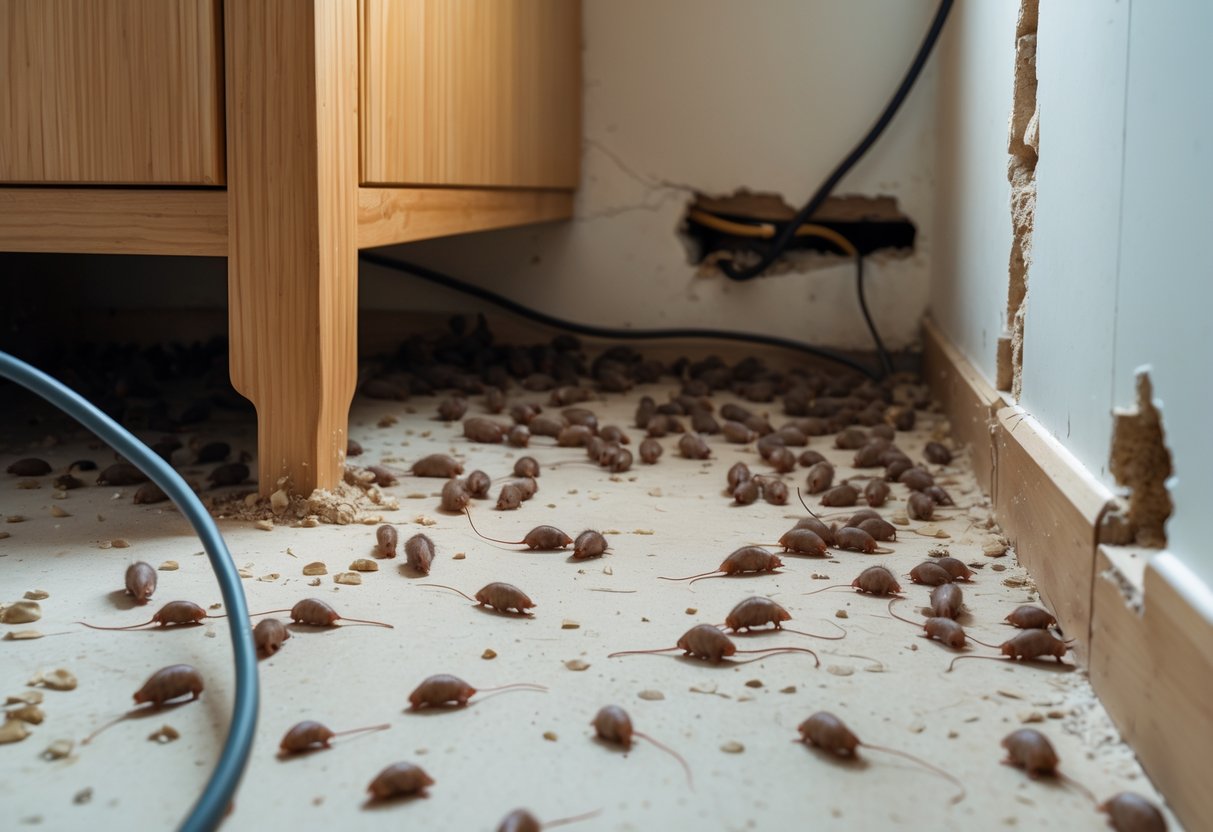
Rats love the night, so you probably won’t catch them out in the open. Instead, you might hear odd noises in the walls or attic, or stumble on piles of shredded nest stuff stashed away.
If you stay alert to these hints, you’ll probably catch the problem before it gets out of hand.
Knowing what to watch for helps keep your home safer and cleaner. Take action as soon as you notice anything off—getting rid of rats is a lot easier before they settle in. If you want more details, check out this guide on 7 Signs of Rats in the House and What to Do.
Common Signs of Rats Indoors

Rats leave behind some pretty obvious clues if you know where to look. Check your walls, floors, and attic for anything out of the ordinary.
Some signs jump out at you, but others need a closer look.
Rat Droppings and Urine Smell
You’ll probably spot their droppings first. They’re dark, shaped kind of like rice, and you’ll find them along baseboards, in cupboards, or anywhere near food.
The size and shape actually help you tell them apart from mouse droppings.
That sharp, ammonia-like urine smell? It’s another big clue. You’ll notice it most in hidden spots like attics or behind walls.
Sometimes the smell soaks into carpets or wood, and honestly, it can linger for ages and even cause health problems.
If you spot droppings or catch a whiff of something weird, you’re probably dealing with rats. Clean up carefully and seal any gaps they might use to get inside.
Gnaw Marks on Surfaces
Rats chew on just about anything to keep their teeth in check. You might notice rough, uneven bites on wood, plastic, wires, or even food packages.
Look around door frames, window sills, and attic beams for these marks.
You might also find chewed insulation or wires, which can turn into real hazards if ignored.
When you find new holes or fresh chew marks, rats are definitely around. Try marking the spots to see if they change or if new ones pop up.
Noises in Walls, Ceilings, or Attics
If you hear scratching, scurrying, or thumping in your walls or ceiling, especially at night, rats might be the culprits.
Sometimes, if there are a lot of them, they’ll make noise during the day too.
They run through their tunnels and nests, making all sorts of sounds.
Some nights it’s just faint rustling, other times it’s louder—depends on how many rats are hanging out.
Keep an ear out for a few nights to see if it gets worse or changes.
Unusual Pet Behavior
Pets notice things long before we do. If your dog or cat keeps pawing at a wall, scratching the floor, or acting nervous in a certain room, pay attention.
Sometimes they’ll stare or bark at one spot for ages, and it’s usually not for nothing.
Rats are noisy and active, so they catch your pet’s attention.
Watching how your pet acts could help you figure out where rats are hiding, even before you see droppings or chew marks.
Telltale Evidence of Rat Activity and Nesting

Rats don’t exactly clean up after themselves. When they move in, they leave a trail.
You’ll see the materials they use for nests, greasy marks from their fur, and even holes or tunnels where they come and go.
Nesting Materials and Hiding Spots
Rats build their nests out of whatever they can find—shredded paper, bits of fabric, insulation, or even dried leaves.
You’ll usually find these nests tucked inside walls, under floors, in attics, or behind big appliances.
Look for piles of shredded stuff hidden in warm, dark corners. Rats want to stay close to food and water but out of sight from people and pets.
If you spot shredded paper or cloth where it shouldn’t be, you might have found a rat nest.
These nests keep them warm and safe, especially if they’ve got babies.
Grease Marks and Tracks
Rats have oily fur that leaves dark, greasy smudges along the places they travel most.
Check walls, baseboards, or any entry points for these streaks.
In dusty or unused spots, look for tiny footprints or marks from their tails. Their tracks are usually about ¾ to 1 inch long, with five toes in the back and four in the front.
If you’re curious, sprinkle some flour or baby powder near where you think they’re running. Come back later and see if you spot clear tracks.
Finding Tunnels and Entry Points
Rats love to dig tunnels right up against your home, especially around fences, sheds, or gardens. You’ll often spot burrows with edges worn smooth from all their scurrying.
Check around your house for holes or cracks—even ones as tiny as half an inch. Believe it or not, rats can squeeze through spaces you’d barely notice, so it really pays to seal those up.
Take a closer look near doors, windows, pipes, and vents for any little openings. Outside, you might find tunnels that run straight into your foundation or disappear under the deck.
If you spot these signs, rats have probably claimed the area as their own. Blocking off these entry points makes a big difference in keeping them from sneaking inside.


