
If you spot a rat around your home or yard, it’s normal to feel uneasy. Honestly, you should worry about rats right away, since seeing one almost always means more are hiding out nearby.
Rats breed fast. They can ruin things and spread nasty diseases, so you’ll want to act quickly.
Rats don’t just wander in by accident. They come looking for food, water, and a cozy spot to live.
Even small clues—like droppings, gnaw marks, or weird scratching sounds—can point to a bigger problem. Catching these signs early can really save you a headache.
If you understand what attracts rats and how to spot them, you’ll have a much better shot at keeping your home rat-free.
A few practical steps can protect your space and send those unwanted guests packing.
How to Recognize When You Should Worry About Rats

Rats can cause big problems fast if you miss the early warnings. If you know what to look for and where rats like to hide, you’ll know when it’s time to act.
Common Signs of Rat Activity
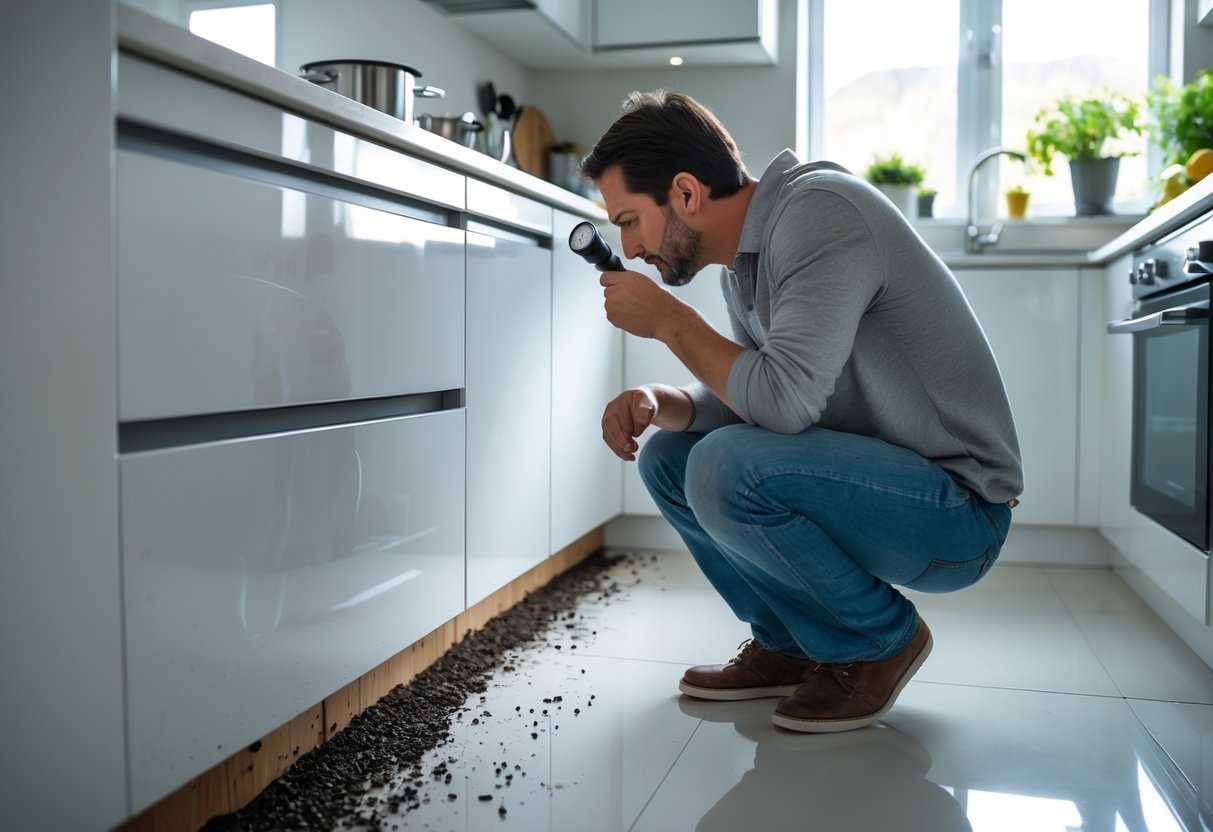
Most people notice rat droppings first. They look like tiny, dark grains of rice.
If you spot these near food or trash, rats are probably close by. Gnaw marks on wires, wood, or food packages are another big clue.
Rats chew all the time to keep their teeth in check. You might hear scratching noises at night in the walls or ceiling.
Rat urine gives off a strong, musky smell—especially near nests or hidden spots. If you see live or dead rats during the day, the problem’s probably gotten pretty big, since rats usually come out at night.
These are some of the main signs of a rat infestation you’ll want to watch for.
How Fast Can a Rat Problem Grow?
Rats multiply fast. Just one pair can have dozens of babies in a few months.
If you see signs and don’t do anything, a small rat problem can explode before you know it.
Norway rats dig burrows and can spread underground quickly. Roof rats like to climb and hide in attics, so sometimes you won’t notice them until they’ve done real damage.
The longer you let rats stay, the more they breed and the more harm they do—chewing wires or messing up your food. Spotting the problem early makes a huge difference.
Where Rats Are Most Likely to Hide
Rats look for food, water, and shelter. Inside, check behind appliances, in attics, basements, and anywhere there’s clutter or empty boxes.
Norway rats usually burrow near the foundation, under decks, or out in the garden.
Roof rats go for higher ground—trees, roof spaces, and ceiling voids. They build nests out of fabric, paper, or twigs, usually tucked away in corners.
Rats leave smudge marks and hairs along their usual paths. You can use these clues to find their entry points or nests.
Knowing where rats hide helps you set traps and seal up gaps more effectively.
For more detailed signs, see How to Detect Rats Before It’s Too Late.
Big Risks of Rats and What to Do Next
Rats bring a bunch of risks for your health and your home. They spread nasty diseases and can mess up your house in ways you might not expect.
Major Health Concerns From Rats
Rats carry diseases like rat-bite fever, hantavirus, and leptospirosis. These can spread through bites, scratches, or just by touching rat urine or droppings.
Hantavirus, for example, can mess with your lungs and get pretty serious if you don’t treat it. Rat-bite fever can cause a rash and fever after a bite or scratch.
To keep safe, don’t touch rats or their droppings. If you have to clean up, wear gloves and a mask.
If you get bitten or scratched, get medical help quickly. If you notice droppings or hear scratching at night, it’s time to act before these health problems show up.
Structural Damage Caused by Rats
Rats chew wires, insulation, wood, and even pipes. Chewed wires can start electrical fires, which is honestly scary.
Their gnawing can weaken walls, floors, and ceilings. Rats also ruin food and water by leaving droppings and urine everywhere.
Look for gnaw marks, holes in walls, or weird smells. Check basements, attics, and kitchens closely.
If you fix these problems early, you’ll avoid expensive repairs and keep your home a lot safer.
When to Call Professional Rat Control
If you spot more than one rat, notice lots of droppings, or keep hearing strange noises, it’s probably time to reach out for professional help.
Experts actually use safer and more effective methods like bait stations, snap traps, and carefully controlled rat poison.
They know how to tackle infestations without putting your health at risk.
Try to avoid glue traps and homemade fixes, since those can do more harm than good.
A professional can seal up entry points, so rats can’t sneak back in.
If you’re set on trying something yourself, you could use live traps or snap traps, but you really have to check them often.
Honestly, calling in a pro usually gets things sorted out faster and with less hassle.
For good advice on handling rats, it makes sense to contact a reputable pest control company.


