
If you’re dealing with rats, you want them gone fast. Most people find snap traps or hiring a pro works quickest.
Snap traps kill instantly when you set them up right. Professionals know how to handle infestations quickly with the right gear and experience.

Some folks use poison baits like brodifacoum for quick results, but you’ve got to be careful if you have pets or kids around. If you’d rather skip chemicals, natural repellents are out there—they might help, but honestly, they’re not great for fast removal.
If you act quickly and use the right methods, you can save your house from damage and health problems.
Let’s dig into which options actually work best depending on your situation, plus how to get them set up.
The Fastest Methods to Get Rid of Rats

To get rid of rats quickly, you need tools that work fast. Some traps kill on the spot, while others just capture rats.
Certain poisons work quickly but you have to use them carefully around children and pets. If you mix a few methods, you’ll have a better shot at clearing your home.
Using Snap Traps for Immediate Results
Snap traps are one of the fastest ways to kill rats. You set them up, and when a rat triggers it, the strong bar snaps down and kills the rat right away.
Put snap traps where you spot rat activity, like along walls or near food. For bait, peanut butter or dried fruit usually does the trick.
Keep traps away from kids and pets, or use enclosed snap traps for extra safety. Snap traps are simple, reusable, and don’t need poison—honestly, they’re a solid choice for quick rat removal indoors.
Effective Electric Traps and How They Work
Electric traps use a high-voltage shock to kill rats fast. When a rat steps inside, the sensors trigger and it’s over instantly.
Most people like that these traps don’t leave a mess. You just open the container and toss the rat out.
You can set these up inside pretty easily. Most models have lids that make them safer if you have pets or kids.
Just add bait, place the trap near where you see rats, and let it work. Electric traps are clean, quick, and honestly a bit more humane than some other options.
Choosing and Setting Up Live Traps
Live traps catch rats without killing them. You bait the trap, and once the rat walks in, the door snaps shut behind it.
This is a good choice if you want to go the humane route or you plan to relocate the rats. Pick a trap that matches the size of the rats you’re dealing with—Norway rats are big, roof rats are smaller.
Set the trap along walls or near nests, and check it often so the rat doesn’t get too stressed. If you catch one, release it far from your house (and make sure you’re following local rules).
When to Use Rat Poison or Chemical Baits
Rat poisons and chemical baits can kill rats fast, but you need to be careful. These work by messing with the rat’s body, and usually kill within a few days.
Popular types include brodifacoum and bromethalin. Always put poison in tamper-proof bait stations so pets, kids, and wildlife stay safe.
Set bait stations where rats travel, but keep them out of reach from others. Poison is better for big infestations, though it might take a bit longer than traps.
If you’re not sure about using poison, a pro can help you do it safely. For more info, check out fastest ways to kill rats.
Essential Steps for Rapid and Lasting Rat Control
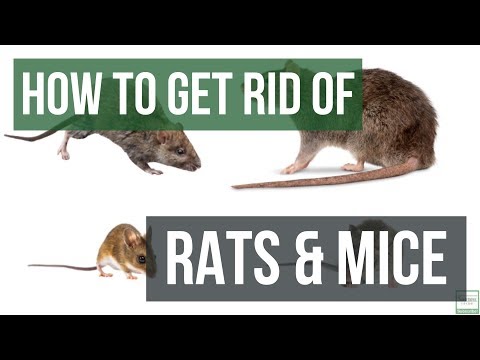
If you want to stop rats fast and keep them out, you’ve got to spot the problem early, block their entrances, remove food, and use safe deterrents.
Identifying Signs of Rat Activity Early
Look for clues that rats are around. You’ll usually find rat droppings in corners or near food.
Check for gnaw marks on wood, wires, or plastic—rats chew on pretty much anything. Listen for scratching in the walls or ceiling, especially at night.
Rats leave greasy smudge marks on their usual paths. The sooner you spot these signs, the faster you can act.
Set traps or call pest control before things get worse.
Sealing Entry Points and Preventing Access
Rats squeeze through holes as small as a quarter. Walk around your house and look for gaps near pipes, vents, or doors.
Stuff steel wool into holes—rats can’t chew through it. Seal the rest with expandable foam or caulk to close up every gap.
Install door sweeps under exterior doors to stop sneaky rats. Even tiny openings can invite rodents inside.
Take your time with this step. Once rats are out, you don’t want them coming back.
Eliminating Food Sources and Attractants
Rats come for the food, so make it hard for them. Store all food, including pet food, in airtight containers.
Keep trash in bins with tight lids. Clean up spills and crumbs quickly.
If you’re using traps, bait them with something irresistible like peanut butter. That helps catch rats and shows you where they’re active.
Clean your kitchen, pantry, and storage spots often. The less food you leave out, the less reason rats have to stick around.
Natural and Safe Rat Repellents
If you’re hoping to keep rats away without using harsh chemicals, you’ve got some gentle, natural options.
Try soaking cotton balls with peppermint oil and tucking them near entry points or spots where you’ve seen rats scurrying around.
A lot of people also swear by black pepper. Just sprinkle it in corners or along the walls—rats really don’t like that smell.
You’ll get the best results if you combine these tricks with sealing up any holes and making sure there’s no food left out.
Keep in mind, though, these methods mostly discourage rats rather than get rid of them entirely.
If you’re dealing with a big infestation, you’ll probably need traps or even professional help.
Always put these repellents somewhere pets can’t reach, and remember to refresh the oils or powders pretty often.


