
Ever worry about rats sneaking into a room when the lights are on? You’re definitely not the only one. Lots of people figure that leaving the lights on will keep rats away, but honestly, it’s not that simple. Rats can still enter a room even if the light’s on—light alone just doesn’t do the trick.

Rats usually stay active at night, so they’re pretty comfortable moving around in the dark. Still, they don’t totally avoid light. If they need food or a place to hide, they’ll risk going into well-lit areas. Given enough time, rats can get used to lights and won’t always run off just because it’s bright.
Knowing this, you can make better choices to keep rats out of your space. Curious about how rats really behave around light? Or what actually works to keep them away? Let’s dig a little deeper.
Do Rats Enter a Room With the Light On?

Rats usually like darkness, but they’ll still enter a lit room if they have a reason. Their choices depend on instincts, how they react to light, and whether they get used to the lighting over time.
Nocturnal Instincts and Behavior
Rats are nocturnal animals. They’re most active at night or in low light. This helps them dodge predators—bright areas make them easy to spot.
When lights are on, rats feel exposed and stressed, so they usually avoid those places. But if they’re hungry or desperate for shelter, they might risk darting into a bright room. They’ll often stick close to walls or shadows to stay hidden as they explore.
Light Aversion Myths vs Reality
Maybe you’ve heard that leaving the lights on will keep rats away. That’s only partly true. Rats do avoid bright light, but not always. They have a natural dislike for it because it makes them vulnerable, but if they really need food, water, or a nest, they’ll ignore that fear for a bit.
Rats are clever. They weigh the risks of being seen against the reward of getting what they need. So, just relying on light isn’t enough to keep determined rats out of your home.
Habituation to Light Over Time
If rats hang around in lit areas and nothing bad happens, they start getting used to it. After a while, they may stop avoiding rooms with the lights on. Rats adapt fast and figure out that steady lights don’t always mean danger.
That’s probably why flashing or moving lights work better than just leaving a bright light on. Still, even rats that get used to light will look for spots to hide, sticking to their natural need for safety.
You can read more about how rats adjust to light in this article: whether rats enter a room with light on.
Practical Ways to Discourage Rats in Lit Areas
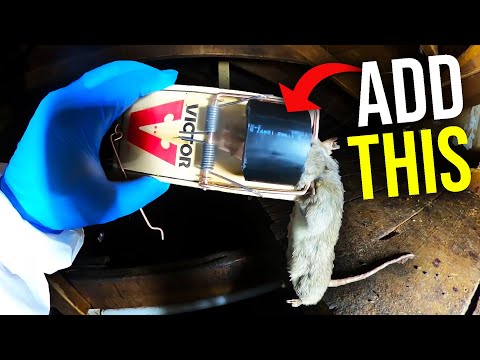
Keeping rats away—even in bright spaces—means staying alert for signs they’re around and making your place less inviting. You’ll want to block their entry points, store food the right way, and maybe call in professionals if it gets out of hand.
Signs of Rat Presence
Watch for rat droppings near walls, cupboards, or under sinks. They’re small, dark, and pellet-shaped. You might notice gnaw marks on furniture, wires, or food packaging.
Listen for scratching or scampering sounds, especially after dark.
Sometimes, you’ll spot oily marks along baseboards where rats brush against the wall. If you find shredded paper or fabric, it could be nesting material.
Don’t forget—rats can carry diseases like hantavirus, leptospirosis, and rat-bite fever. Spotting these signs early matters for your health.
Sealing Entry Points and Home Maintenance
Rats can squeeze through tiny spaces—holes as small as a quarter-inch wide. Check for gaps around pipes, vents, doors, and windows. Seal them up tight with steel wool, metal flashing, or caulk.
Keep clutter away from walls and floors so rats can’t hide easily. Fix leaky pipes and get rid of standing water to take away shelter options.
Inspect your home’s foundation and roofline regularly. Seal up cracks and gaps in attics and basements.
Good maintenance makes it much harder for a rat infestation to start.
Food Storage and Environmental Controls
Store all food, including pet food, in airtight containers made of glass or heavy plastic. Don’t leave crumbs or food scraps on counters or floors.
Take out the trash often and use bins with tight-fitting lids.
Move bird feeders away from your house, or just skip them if you’re dealing with rats.
Clear away piles of wood, leaves, or debris near your home. Those spots are perfect for rodents to hide.
Bright lights alone won’t keep rats away if you’re offering them food and shelter, so these steps matter if you want to make your space less appealing to them.
Professional Pest Control Solutions
If you keep seeing rat signs or suddenly spot a big infestation, it’s probably time to call a professional pest control service.
Experts can figure out where the rats are sneaking in and use better, safer traps and deterrents. They actually know how to tackle infestations while keeping health risks down for you and your family.
They follow safe removal and cleanup steps to help prevent diseases from spreading.
Some treatments use bait stations, exclusion work, or even changes to your space, depending on what’s going on.
When you’re up against a serious rat problem, turning to the pros usually saves you time and gives you the best shot at getting rid of them.


