
Ever wondered if rats are actually scared of bright lights? Maybe you’ve thought leaving a light on at night would keep them away. It’s a pretty common idea—just flip the switch and hope they don’t show up.
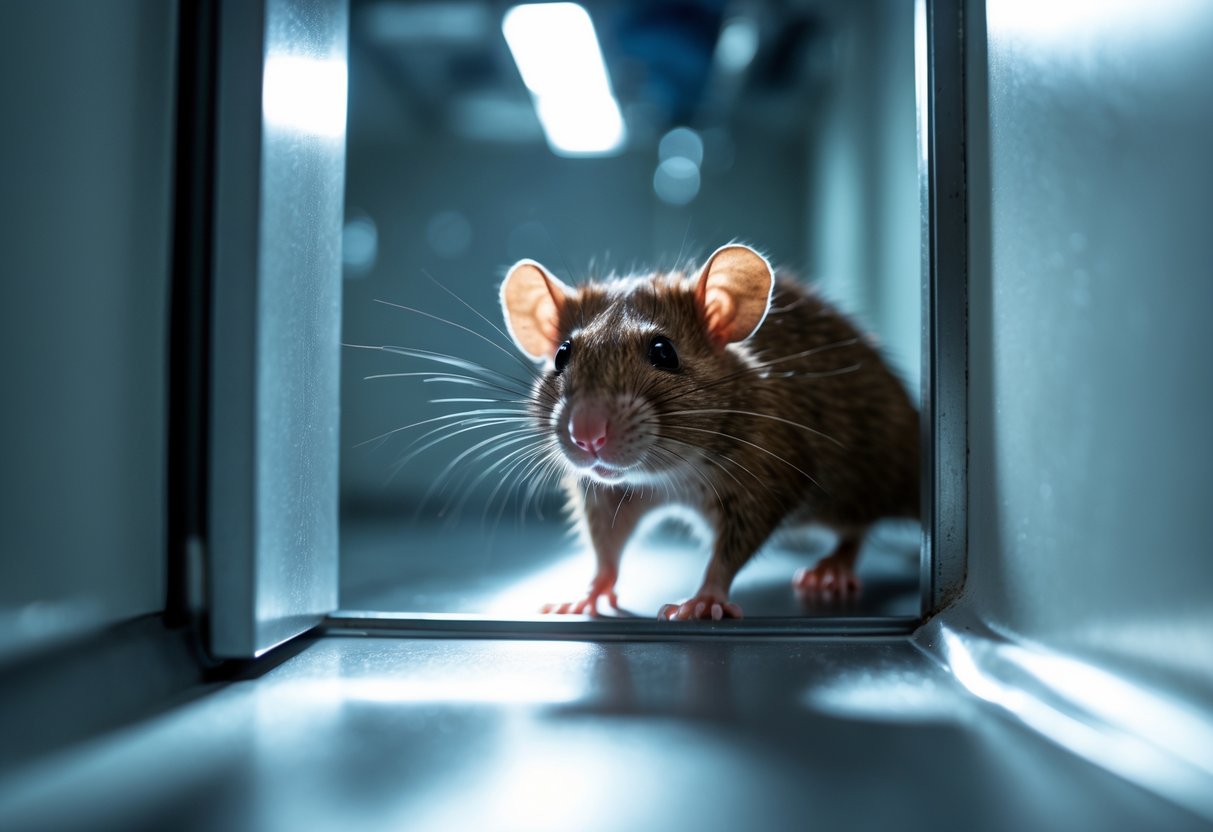
Honestly, rats don’t really fear light, but they sure seem to like the dark better. Darkness helps them stay hidden and safe. Bright or flashing lights might startle them or make them uneasy, but just because a room’s lit up doesn’t mean they’ll bolt.
If you’re hoping to keep rats out, it helps to know this. Relying on lights alone probably won’t do the trick.
You might want to try other tactics too, especially if the lights haven’t worked so far.
Are Rats Afraid of Bright Lights?

Rats live most of their lives in the dark. They’re nocturnal, so they feel safer and more comfortable moving around at night.
Bright lights can irritate their eyes and mess with their usual routines. If you want to keep rats out or take care of pet rats, it’s good to know how they react to different kinds of light.
Natural Behavior of Rats and Light Exposure
Rats usually get active after sunset. Their eyes work best in low light, not in bright, glaring rooms.
Bright lights make it tough for them to see and hide from predators. That’s why you’ll often spot rats darting into shadows or sticking to dark corners.
They really use those hidden spots to stay out of sight. If you see rats only in the darkest spots during the day, it’s not a coincidence—they’re just trying to avoid the light.
Impact of Bright Lights on Rat Stress and Anxiety Levels
Bright lights can stress rats out. When a sudden light hits them, they might freeze or look for shelter.
Their anxiety jumps because they feel exposed. It’s not just about being uncomfortable—it’s about survival.
Flashing or changing lights can really throw them off. That unpredictability can make them even more nervous.
Strong, steady lights mess with their natural rhythms too. If you’re caring for rats, that’s something to keep in mind.
Trying to use bright lights to keep rats away might work for a bit. But it’s not a long-term solution, especially if you’re dealing with pet rats.
Adaptability of Rats to Lighted Environments
Pet rats sometimes get used to household lighting. If you keep your lights soft and steady, they might settle in eventually.
But sudden, harsh lights still bother them. Most rats would rather hang out in dim or shaded spots.
Want your pet rats to chill out? Give them places to hide from the light.
Wild rats, though, just look for a new dark spot when you turn on the lights. That makes them tougher to catch or control.
You can check out more about how rats handle bright lights at Reject Rats.
Factors Influencing Light Avoidance in Rats
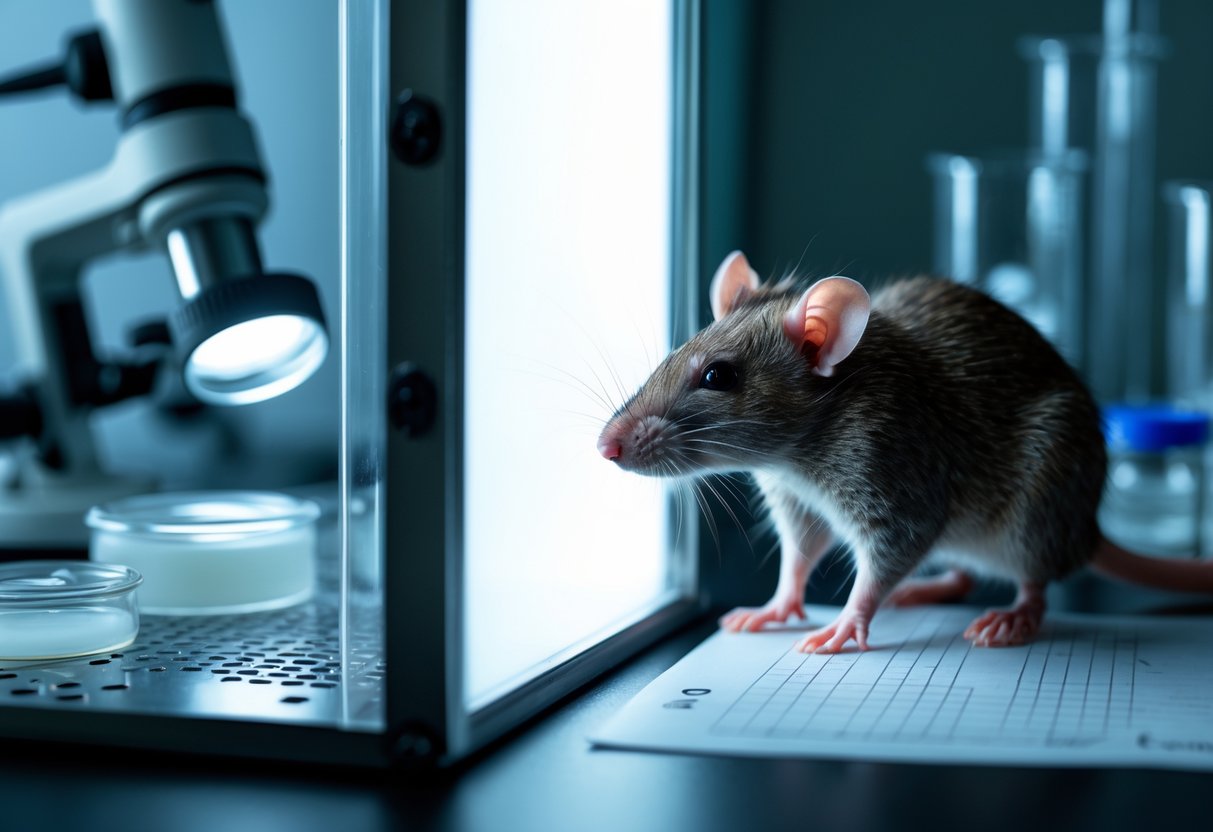
A few things shape how rats react to light. The type of light, the color, and what the rat’s after in that moment all matter.
Differences Between Steady Lights and Flashing Lights
Steady lights and flashing lights don’t feel the same to rats. Steady, bright lights usually make them steer clear because it’s just uncomfortable for their eyes.
Flashing lights? Those are even worse for them. The constant changes in brightness and color can really freak rats out.
They can’t predict what’s coming next, so they often just leave. If you’re trying to keep rats away, flashing lights might work better than just leaving the lights on.
For example:
- Steady bright light: rats might avoid the spot but still sneak around.
- Flashing bright light: rats usually run off and stay away longer.
Effect of Light Color: Red, Blue, and Green Wavelengths
Not all colors bother rats the same way. They don’t see every color equally.
Red light barely registers for them. That’s why labs use red cages—it doesn’t really bother the rats much.
Blue and green light, though, stand out to rats. Those colors look brighter and more jarring, so rats avoid them more.
Here’s a quick look:
| Light Color | Rat Response |
|---|---|
| Red | Low sensitivity, less avoidance |
| Blue/Green | High sensitivity, more avoidance |
If you want to watch rats without stressing them, red light is the way to go.
Role of Food, Shelter, and Safety in Overcoming Light Aversion
Rats will sometimes venture into bright light if they really need something, like food or shelter.
If they spot food nearby, they might risk stepping out into the open. Their drive for shelter can push them to brave the light too, especially if their usual dark spot is too far away or just doesn’t feel safe.
Still, they usually stick to dim or red light over harsh, glaring brightness. Safety is a huge deal for them—they steer clear of bright spots if they feel exposed or threatened.
Knowing this, you might be able to guide where rats travel, whether it’s day or night.
If you’re curious about how light shapes rat behavior and welfare, check out this study on rat lighting preferences.


