
Rats have a knack for sneaking into houses through surprisingly tiny gaps—sometimes just a quarter of an inch wide. They’ll use holes around doors, windows, pipes, vents, and even cracks in the foundation to slip inside.
Once rats get in, they search for food, water, and a cozy spot to nest.

You might not spot them right away. Droppings, scratching noises, or chewed-up stuff usually give them away.
It really helps to know where rats like to sneak in. If you figure that out, you can stop them before things get out of hand.
If you want to find and seal those entry points—or just want to know what draws rats in—this guide should help you spot the risks and protect your home.
For a more in-depth look at how rats get inside (and how to keep them out), you might want to check out this detailed explanation.
Main Ways Rats Get Into Your House
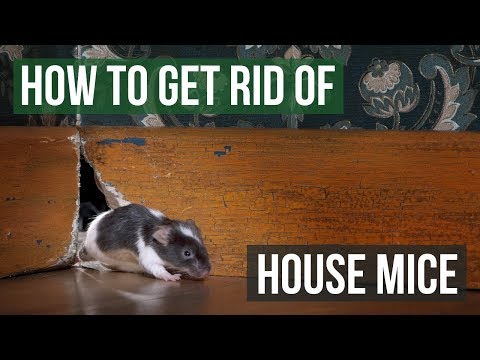
Rats squeeze into homes through all sorts of tiny, hidden openings. They’re always on the lookout for cracks or gaps where they can wiggle through.
If you know where to look, you’ve got a much better shot at stopping them.
Cracks and Holes in Foundations and Walls
Rats can fit through holes as small as half an inch. That’s not much at all.
Check your foundation and walls closely. Look for cracks in concrete, gaps around bricks, or holes where pipes poke through.
Rats love using these openings to get inside without anyone noticing. If you spot any cracks or holes, seal them up with steel wool or a tough caulk.
That’ll help keep roof rats and other sneaky types from turning your place into their new hangout.
Openings in Roofs and Attics
Roof rats often find their way in through the roof or attic. Take a good look at your roofline, spots where the roof angles meet, and vents leading into the attic.
Rats can squeeze through gaps just half an inch wide, believe it or not.
If you see any open spots, cover them up with metal mesh or steel wool. You can set traps in your attic to catch any rats that already made it inside.
Keeping the attic sealed up keeps rats from nesting over your head.
Gaps Around Doors, Windows, and Vents
Notice any cracks or gaps around doors, windows, or vents? Rats love these easy routes and can squeeze under doors or through bad window seals.
Check all the bottoms of your doors and the frames of your windows. Weather stripping and metal barriers work well to close up those gaps.
Make sure to cover vents with mesh, too. That way, rats can’t just waltz right in.
Utility and Plumbing Entry Points
Utility pipes and plumbing lines give rats a perfect path inside. Where gas, water, or electrical lines enter your house, gaps might show up over time.
Rats chew or squeeze through these spaces to get indoors.
Inspect every utility entry point—especially where pipes go into basements or crawl spaces. Seal those spots with steel wool mixed with caulk.
Locking down these hidden routes really helps keep rats from sneaking in.
Sewer and Drain Connections
Sewer and drain openings can let rats in, too. Rats swim well and can travel through sewer lines or drain pipes without much trouble.
If your drains or sewer covers are broken or missing, rats might use them as a secret entrance.
Check that your sewer covers fit tight. Repair any busted drains and keep them clean.
Rodent-proof covers on outdoor drains and sewer vents help keep rats away from your home.
How to Detect and Stop Rats From Entering

If you want to keep rats out, you’ll need to spot where they get in first. Then, block those spots with the right stuff.
Setting traps and keeping your place clean also makes a big difference.
Identifying Signs Like Rat Droppings and Scratching Noises
Watch for small, dark, pellet-shaped droppings. You’ll usually find them near food, in cabinets, or along walls.
Greasy marks on walls or floors show where rats travel. Their fur rubs off and leaves those smudges behind.
Listen for scratching or scurrying noises, especially at night or early in the morning. You might hear them in walls, attics, or ceilings.
If you spot gnaw marks on wood, wires, or food packages, that’s another clue.
Catching these signs early lets you deal with the problem before it gets worse.
Using Steel Wool and Metal Barriers to Seal Entry Points
Rats chew through a lot, but they can’t get through steel wool. Stuff steel wool tightly into holes, cracks, and gaps around your foundation, pipes, vents, or doors.
For bigger holes, use metal barriers or hardware cloth. Rats can push aside loose stuff, so make sure everything’s snug.
Check your barriers now and then to make sure they’re still holding up. Rats are clever and might look for new ways in.
Best Practices for Setting Snap Traps
Snap traps work best where rats already travel. Place them along walls, behind appliances, or near nests.
Rats avoid open spaces, so keep traps close to the wall with the trigger side facing it.
Bait traps with peanut butter or nuts—rats can’t resist those. Try not to touch the bait with your hands, since your scent could scare them off.
Check traps daily. Reset or remove trapped rats quickly so things don’t get messy or smelly.
Sanitation and Preventative Maintenance Tips
Try to keep your home and yard as tidy as possible. When you remove food and shelter, you make it a lot harder for rats to stick around.
I always stash food in airtight containers. Wiping up crumbs or spills right away helps a ton, and honestly, leaving pet food out overnight is just asking for trouble.
Clear away clutter, dense shrubs, and random debris where rats might hide. If you trim trees and branches that hang near your house, you’ll make it much tougher for rats to reach upper windows or the roof.
Check your home often for new holes or any signs of rats. If you spot a problem, seal it up fast.
Regular maintenance keeps your house way less attractive to these pests. It also gives you a better shot at catching a rat problem before it gets out of hand.


