
Spotting a rat in your house can feel a bit alarming, but you’ll want to act fast before things get out of hand. Start by clearing away food and water, block off any holes or cracks you find, and put out traps where you notice the most activity. That way, you can stop rats from making a mess or spreading germs.

You might not catch the rats in the act, but look for little clues—droppings, gnawed stuff, or that weird scratching at night. If you know what to watch for, you’ll have an easier time figuring out where they’re hiding and how to get rid of them.
If you jump on these steps early, you’ll save yourself a lot of trouble down the line. If it starts to feel like too much, there’s no shame in calling a pro to help lock down your home. For more tips, check out what to do if you have rats in your house.
Immediate Steps When You Discover a Rat Indoors
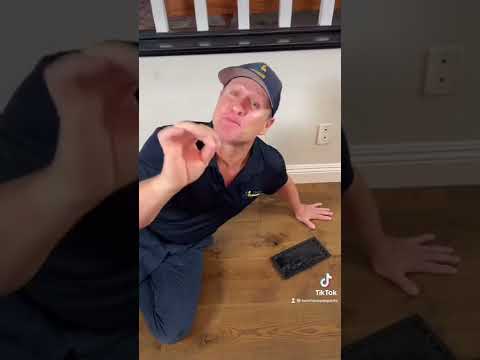
When you find a rat in your home, you need to move fast. Look for clear signs, cut off food and water, and figure out how it got inside.
That’s how you keep things from getting worse.
Identify Signs Like Droppings and Chewed Materials
Check for small, dark droppings—about a quarter-inch long. If you see these, a rat’s probably hanging around.
You might come across shredded paper, cloth, or even twigs. Rats use this stuff to build their nests.
Look at your furniture, food packages, and baseboards for fresh chew marks. Rats gnaw constantly, so new marks mean they’re close by.
At night, listen for scratching in the walls or ceiling. That’s when rats get busy.
Sprinkle some baby powder near places you suspect they travel. If you spot footprints, you’ll know you’re on the right track.
Limit Rat Access to Food and Water Sources
Rats stick around when food and water are easy to find. Store all food—including pet stuff—in sealed glass or thick plastic containers.
Don’t leave pet food out overnight. It’s basically an open invitation.
Take out the trash often and keep lids tight. Rats love scraps.
If you have fruit trees or a garden, pick up anything that falls. Rats will go after those, too.
Fix any leaky faucets and mop up damp spots near sinks or windows. Even a few drops of water can keep rats coming back.
Cutting off these basics makes your place way less attractive to rats.
Determine Rat Entry Points in Your Home
Rats can squeeze through holes smaller than you’d think—sometimes just half an inch wide. Check around doors, windows, vents, and pipes for any gaps.
Look where walls meet floors and at baseboards for tiny holes. Grab a flashlight and check those dark corners and your home’s foundation.
Once you find an opening, stuff it with steel wool. Rats can’t chew through that.
Cover vents with wire mesh so air still gets in, but rats can’t. Just make sure you don’t trap a rat inside before you seal things up.
Blocking entry points keeps more rats from sneaking in.
If you want more quick tips, check out what to do if you see a rat in your house.
How to Get Rid of Rats and Prevent Future Infestations
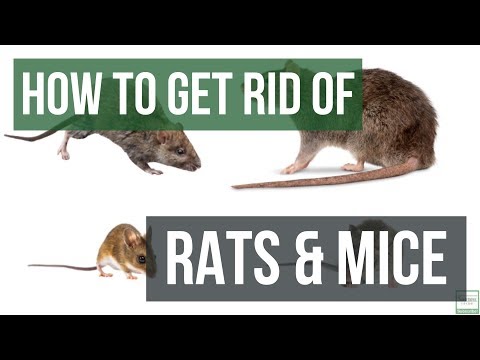
To kick rats out, you’ve got to act fast and use the right tools. Set traps, seal up gaps, and keep things clean.
Little details—like the bait you pick or where you put the traps—can make all the difference.
Choose and Place Snap Traps Correctly
Snap traps catch rats quickly if you put them in the right spots. Place them along walls where you’ve seen droppings or gnaw marks.
Rats usually stick close to walls, so don’t bother with open spaces. Set out a few traps, spaced a couple of feet apart.
That way, you increase your odds of catching them as they move around. Make sure your traps sit flat and won’t slide if a rat bumps them.
Wear gloves when handling traps so you don’t leave your scent. Bait them with peanut butter or a bit of hot dog—something with a strong smell.
Check your traps every day and get rid of any rats you catch as soon as possible.
Select Bait Types to Lure Rats Effectively
Rats go for strong smells and protein-rich foods. Peanut butter, hot dog pieces, or chicken usually work well.
Don’t use big chunks—just a small dab does the trick. Rats get suspicious if something looks off.
Swap out old bait every couple of days to keep things fresh. Put the bait right on the trap’s trigger so the rat has to touch it.
Skip flavored baits that could attract pets or kids. You don’t want any accidents.
Seal Up Gaps and Holes to Stop Entry
Rats can sneak through holes as tiny as a quarter-inch. Look for cracks, gaps, or holes near pipes, vents, doors, and the foundation.
Stuff steel wool into any holes, then seal it up with caulk or something strong. Rats hate chewing through steel wool.
Don’t forget spots like attic vents or window gaps. Add door sweeps to exterior doors to block sneaky rats from slipping in.
Cover vents with wire mesh—air gets in, rats don’t. If you check and seal these spots, you’ll keep new rats from moving in.
Maintain a Clean, Clutter-Free Home
Rats stick around when they find food and places to hide. Try to keep your kitchen tidy—store food in sealed containers, and take out the trash often.
Don’t leave pet food sitting out overnight. That’s just asking for trouble, honestly.
Clear out clutter both inside and outside your home. Stacks of paper, wood, or boxes? Rats love hiding in those.
Keep your yard free of debris. Trim plants back from the foundation so rats can’t sneak in as easily.
Fix leaks and get rid of any standing water. Rats always look for water sources, so don’t give them one.
A tidy, well-kept home just doesn’t appeal to rats as much. It really cuts down on your chances of dealing with an infestation.
For more details on sealing and traps, check out how to get rid of rats in your house.


