
Rats get a bad rap for being aggressive, but honestly, the truth is a bit more nuanced. Most rats aren’t naturally aggressive toward humans unless they feel threatened or really stressed out.
They might show some aggression when they’re guarding food or territory, but biting doesn’t happen often—it’s usually just a scared reaction.
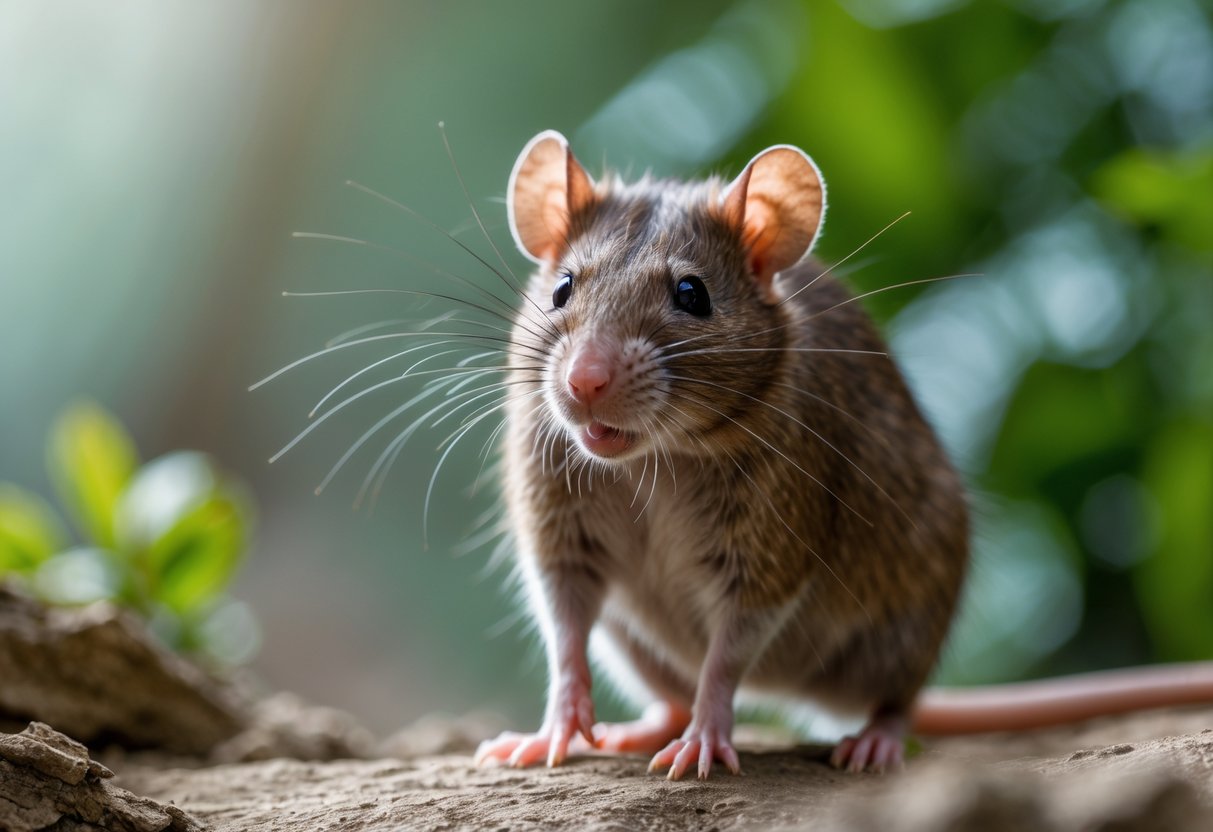
If you’ve got pet rats or run into wild ones, it helps to know what their behavior means. You’ll start to spot the difference between play, fear, and actual aggression.
Figuring out why rats sometimes act up can make them easier to handle and, honestly, a lot more fun to be around.
Rats can get anxious or stressed, which sometimes makes them act out. If you learn what sets them off and how to react, you’ll probably have fewer problems with aggression—whether you’re living with pets or just dealing with wild rats outside.
For more on why rats fight and what you can do, check this out.
Are Rats Aggressive Towards Humans?

Rats don’t usually go after people. Their behavior really depends on whether they’re wild or pets, and what’s happening around them.
You can get a sense of how rats act around you and what might set them off, especially if you’ve got pet rats or wild ones nearby.
Wild vs. Domesticated Rat Behavior
Wild rats act pretty cautious around humans. Most of the time, they’ll run off instead of fighting.
They might bite if they feel trapped or scared, but otherwise, they stay out of your way.
Domesticated rats—pet rats—are a different story. People raised them around humans, so they’re a lot calmer.
Pet rats rarely act aggressive because they’re used to being handled. Their personality depends a lot on how you treated them as babies and how safe they feel with you.
Circumstances That Trigger Aggression
Rats don’t just attack for no reason. They usually react if they feel threatened or cornered.
If you grab or startle a rat, it might bite just to defend itself.
Most territory fights happen between rats, not people. But if a rat is sick, hurt, or super stressed, it might lash out.
A rat could also bite if it’s protecting babies.
How Pet Rats Interact With Owners
Pet rats usually enjoy gentle handling. If you treat them kindly, they tend to become friendly and even a little social.
They love quiet playtime and often come running if you’ve got treats.
If a pet rat bites, it’s almost always because it’s scared or hurting. You can lower the chances of biting by moving slowly and letting your rat get comfortable with you.
Regular handling helps, too—it builds trust and makes your pet less likely to act aggressive.
For more on how rats behave around people, check out 12 Rat Myths You Need to Stop Believing and Do Rats Attack Humans?.
Aggressive Behavior Between Rats and Compared to Mice

Rats can get aggressive for all sorts of reasons, and a lot of it comes down to protecting territory or their place in the group.
Mice act a bit differently. They’re usually more territorial, but they don’t hang out together as much as rats do.
It’s good to know these differences if you ever find yourself dealing with either rodent.
Common Causes of Rat-to-Rat Aggression
Rats often fight to defend their territory or figure out who’s in charge. Social ranking really matters to them.
When a new rat shows up or challenges the boss rat, fights can break out. Stress, fighting over food, or competing for mates can also set them off.
Past fights can make a rat more likely to act aggressive again. If a rat’s been in a scuffle recently, it might be jumpy and ready to fight.
On the flip side, rats who haven’t had those experiences might just groom themselves instead of picking a fight. Their history really shapes how they act now.
Differences Between Rats and Mice Behavior
Mice are smaller and usually more curious than rats. They’re super territorial and will defend their space if they have to.
Most mice would rather hide than fight, but if you push them, they’ll stand their ground.
Rats, though, are more social and interact with each other a lot. They can get aggressive when it comes to defending their group, especially the males.
Rats use aggression to keep their spot in the group or to get things like food and mates.
| Behavior Feature | Rats | Mice |
|---|---|---|
| Social Behavior | Live in groups, social | Territorial, less social |
| Aggressiveness | Can be more aggressive | Aggressive mainly in defense |
| Reaction to Threat | Bold, may confront | Timid, often hide |
Signs of Aggression and Territoriality
Watch rats for a while and you’ll probably spot sideways threats or sudden chasing during fights. They bite at the backs or sides of other rats—it’s not subtle.
When rats feel threatened, they might rattle their tails or let out loud noises. These signs basically tell others to back off.
Mice show aggression differently, with quick attacks or defensive stances. Sometimes they freeze or dart away when scared, but if they’re defending their home or babies, they’ll attack.
You might catch mice marking their territory, and honestly, the strong smell is hard to miss.
Noticing these behaviors can help you figure out when rats or mice feel threatened or are about to fight. It’s useful to stay aware, especially if they’re hanging around your home.
Find out more about rat and mouse behavior at rat vs. mouse behavior comparison.


