
Spotting a rat in your house? Yeah, that’s enough to make anyone uneasy. Rats chew through stuff, spread germs, and honestly just make life at home feel less safe. But here’s the thing: with the right approach, you can totally kick them out for good.

To get rid of a rat, you’ve got to seal up every possible entry, get rid of easy food and hiding spots, and put out traps or repellents inside. If you just set traps but leave food lying around, it’s not going to work. Rats are smart—they’ll find the easy stuff.
When you tackle these steps, you make your home a lot less appealing to rats. Want some straightforward ways to keep them out for good? Let’s dig in.
How to Get Rid of a Rat Effectively
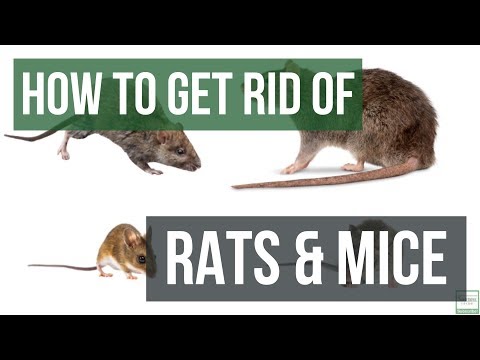
You’ll need to find where rats are hiding, stop them from getting in, cut off their food and water, and set traps or bait. Each move makes a difference and helps prevent new rats from showing up.
Inspect for Signs of a Rat Infestation
Start by checking for clues that rats have moved in. Look for gnaw marks on wood, wires, or boxes—rats love to chew to keep their teeth in check.
Keep an eye out for rat droppings—those little dark pellets—near food or hidden corners.
Listen for scratching or scurrying sounds at night, especially in your walls or ceiling. Hunt for nesting materials like shredded paper or fabric tucked away in quiet spots.
Check outside for rat burrows under decks or near garbage bins. When you spot these signs, you know where to focus your efforts.
Seal Entry Points to Prevent Access
Rats can sneak in through tiny gaps. Find and block cracks, holes, or gaps in walls, foundations, doors, and vents.
Use tough stuff like metal mesh, steel wool, or cement to cover these spots.
Look for openings as small as a quarter-inch—seriously, rats can squeeze through the tiniest spaces. Seal up spots around pipes and wires.
Fix any busted screens on windows and vents so roof rats can’t climb in. When you block their entry, you make it way harder for new rats to get inside.
Remove Food Sources and Water
Rats stick around if there’s food and water. Store everything in sealed containers—even pet food.
Wipe up crumbs, spills, and take out the trash often.
Don’t leave pet food out overnight. Fix leaky pipes or faucets to cut off water.
Cover compost bins and clear away piles of junk that might give rats a place to hide or snack.
Take away their free meals, and they’ll look for somewhere else to live.
Set Up Rat Traps and Bait Stations
Once you know where rats are running around, set traps to catch them. Snap traps work fast and, honestly, are pretty humane if you put them in the right spot—along walls, near droppings, or places you see gnaw marks.
Set traps perpendicular to the wall and bait them with peanut butter or dried fruit.
If you prefer not to kill them, try live traps and release the rats far from your home. Poison bait stations can work, but you’ve gotta be careful if you have kids or pets around.
Put traps and bait where rats hang out, but keep them hidden from pets and kids. Check traps daily and wear gloves—no one wants to touch a rat directly.
Want more details on traps? Check out this rat traps and pest control guide.
Health and Safety Precautions for Rat Removal

When you’re dealing with rats, you really need to watch out for germs and possible injuries. Protect yourself from whatever the rats leave behind, clean up safely, and don’t hesitate to call in pros if things get out of hand.
Protect Against Diseases from Rats
Rats carry some nasty stuff—hantavirus, salmonella, you name it. Always wear rubber or plastic gloves if you’re handling anything that might be contaminated.
Ventilate the area for at least 30 minutes before you clean, so you don’t breathe in dust from dried droppings or nests.
Never sweep or vacuum rat droppings—it just stirs up trouble.
Soak droppings and nests with disinfectant or a bleach solution for five minutes before you touch anything.
Wash your hands really well with soap and warm water after cleaning—even if you wore gloves. No soap? Use hand sanitizer.
Safe Cleanup of Droppings and Nests
Open windows and doors before you start cleaning. Let the room air out and stay out for a bit.
Spray all droppings, urine, nests, and any dead rats with disinfectant until they’re soaked. Wait at least five minutes, or whatever the label says.
Use paper towels to pick everything up—don’t grab a broom or vacuum. Toss used paper towels and contaminated stuff into double plastic bags and tie them tight.
Wipe down all hard surfaces with disinfectant after. If rats got into insulation or cardboard, it’s probably best to throw those out.
Wash your gloves before you take them off, then wash your hands again. These steps might seem like a lot, but they really lower your risk of catching something nasty.
When to Call Professional Pest Control
If you spot a big rat problem or notice they keep coming back, it’s probably time to call in the pros. They bring the right tools and gear to get rid of rodents safely, so you don’t have to put yourself at risk.
Pest control experts check those tricky spots—think attic corners or vents—where roof rats love to hide. They also tackle cleaning air ducts or heavy infestations that really need special equipment.
Bringing in professionals helps stop rodent-borne diseases from spreading and keeps rats from returning. If you think you’ve been exposed to hantavirus or start feeling sick after dealing with rats, talk to your doctor and reach out to pest control.
Letting experts handle it can save you a lot of time and worry, especially if you’re not sure how to clean up or deal with rats safely. If you need help, look for a trustworthy pest control service in your area.
For more cleanup tips, check out the CDC’s guide on rodent control and safe cleanup.


