
Ever used rat poison and wondered what happens next? Most rats don’t actually leave your house or yard after eating poison. They usually crawl back to their nests and die there. So, you might never spot them or know exactly where they ended up.
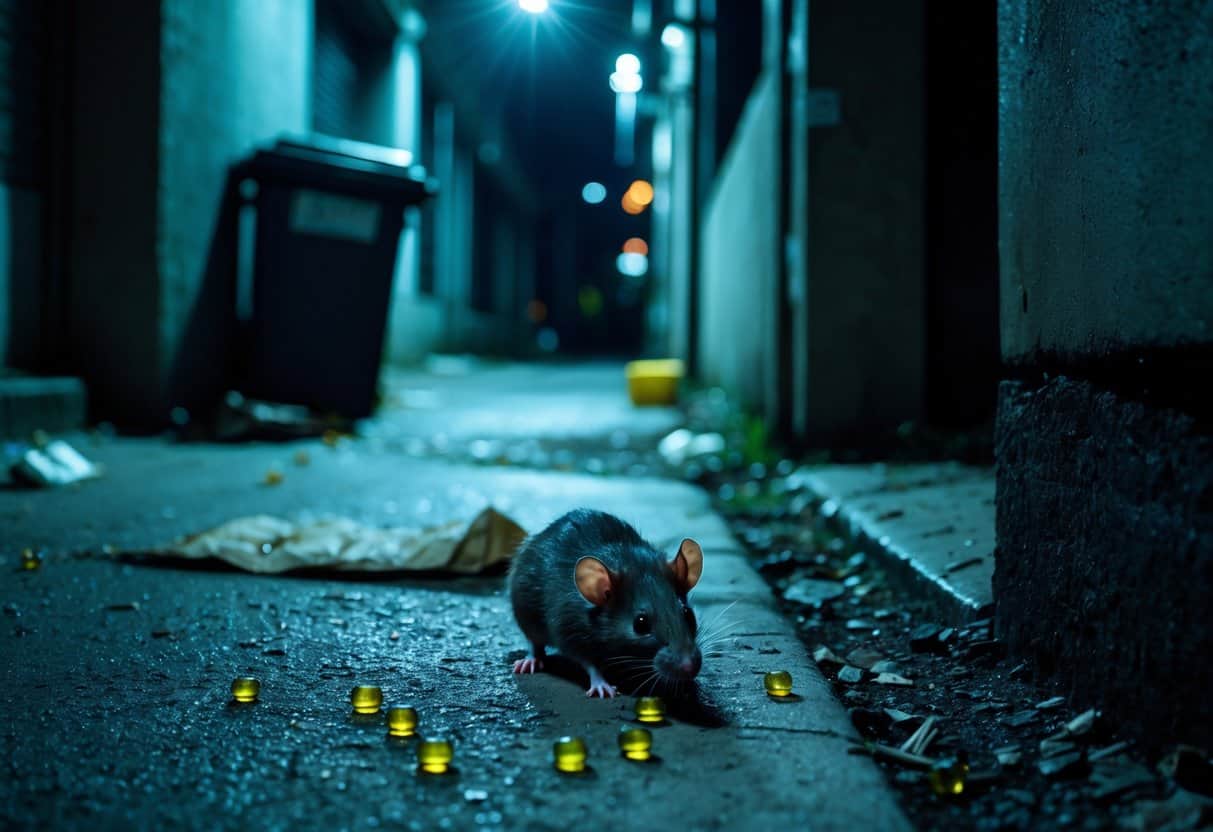
People often say poisoned rats head outside to die, but honestly, that’s mostly just a myth. Sometimes, they’ll look for water before dying, so there’s a slim chance you’ll find one outdoors. Most of the time though, they stay tucked away inside walls, under floors, or down in their burrows. If they die in a spot you can’t reach, you might notice an awful smell.
It helps to know what to expect after using poison. Let’s dig into what rats actually do after eating poison and how you can deal with any issues that follow.
What Happens to Rats After Consuming Poison
When a rat or mouse eats poison, its body reacts based on the type of rodenticide. How long it takes for the poison to work—and where the animal dies—can really vary.
If you know these details, you’ll have a better idea of what to expect with rodent control.
Rat and Mouse Response to Different Rodenticides
Rats and mice react differently to poisons like brodifacoum and bromadiolone. These are anticoagulant poisons that cause internal bleeding over time.
The animal doesn’t die instantly. Instead, it gets weaker and weaker.
These poisons don’t make rats or mice thirsty, so they don’t go searching for water before dying. Where a rodent dies mostly depends on where it feels safest—usually its nest.
If the nest is inside your walls or attic, that’s probably where it’ll die. If it lives outside, it might die outdoors.
Not every rodenticide works the same way. Some first-generation poisons take longer to kill, while second-generation ones like brodifacoum act faster and are more toxic.
So, the time it takes and the risks involved change depending on what you use.
Common Locations Where Poisoned Rats Die
Wondering where rats actually die after eating poison? Most die close to their nests or favorite hiding places.
These spots might be inside your walls, under the floorboards, up in the attic, or tucked away in outdoor burrows.
Since rodents hide when they feel sick, you probably won’t find the body right away. That’s why you might notice a bad smell that lingers for days.
Sometimes, they die in places you just can’t reach.
If you’re dealing with Norway rats or house mice, the bodies could turn up inside or outside your place. It really depends on where they’ve been nesting.
Knowing this helps you figure out if you need a pest professional to help with removal.
How Fast Poison Works on Rats and Mice
How quickly poison works depends on what kind you use. Most common anticoagulants, like brodifacoum, kill in three to seven days.
First-generation poisons usually take longer, sometimes more than a week.
Because the poison acts slowly, rats don’t connect the bait to feeling sick. That means they keep eating it, making the poison more effective.
If you’ve got a rodent problem, just remember it can take a few days to see results. During this time, rats keep eating the bait and may share it with others in their nest.
This actually helps control the population more effectively.
For more about how long rat poison takes, check out How Long Does It Take For Rat Poison To Work.
Risks and Consequences of Using Rat Poison
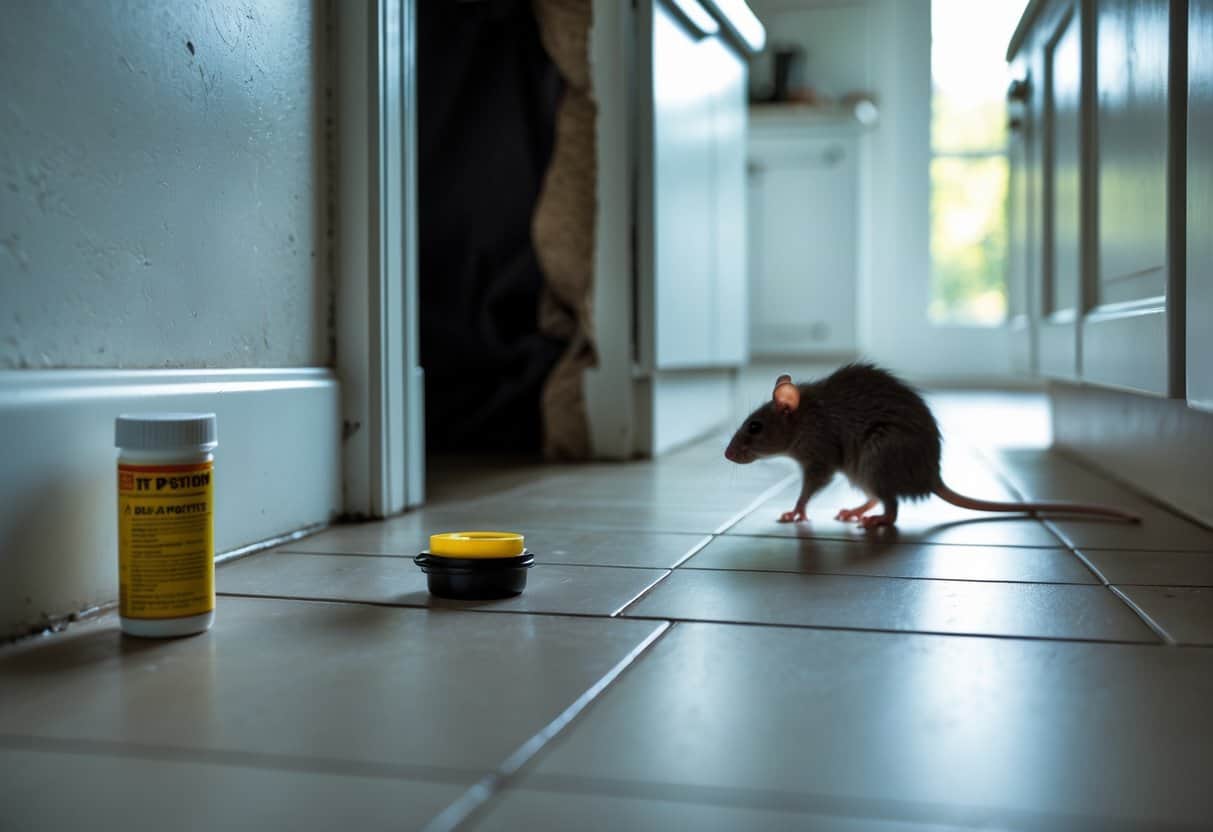
Using rat poison might get rid of rodents, but it’s not without risks. You could put pets, wildlife, or even yourself in danger if you’re not careful.
Secondary Poisoning and Environmental Impact
When rats eat poison and die, their bodies still carry toxic chemicals. If other animals—like pets or wild predators—eat those rats, they can get sick or die too.
This is called secondary poisoning.
Hawks, owls, or even dogs might suffer after eating poisoned rats. That can mess with the local ecosystem and put animals you care about at risk.
To help prevent this, keep pets away from baited areas and clean up dead rodents as soon as you can.
That way, you’ll help protect both wildlife and your own animals from accidental poisoning.
Identifying Dead Rodents and Droppings
After rats eat poison, they usually leave behind droppings and might die nearby. Rat droppings are about ¾ inch long, dark, and shaped like little capsules.
Mouse droppings are smaller, with pointy ends.
You might find dead rodents behind walls, under furniture, or even outside. It’s important to find and remove these bodies quickly to avoid bad smells and health problems.
By watching for these clues, you’ll know if the poison is working and can stop more issues from hidden dead rats or mice.
Potential for Odor and Disease Spread
If you leave dead rats inside your home, you’ll probably notice a strong, awful smell. Sometimes, that odor sticks around for days—or even weeks—if you don’t find and get rid of the carcasses quickly.
Rats bring in diseases, and their droppings or decaying bodies can spread those germs around. Your family’s health could be at risk, especially if you touch contaminated surfaces or breathe in dust from dried droppings.
Always use gloves and disinfectants when you clean up rat droppings or dead rodents. It’s the best way to protect your home from germs and that nasty smell.


