
Rats and other rodents bring a bunch of diseases that could mess with your health. If you touch their droppings, urine, or saliva—or if they bite you—these illnesses can spread pretty fast.
Some common diseases rats carry include leptospirosis, hantavirus, rat-bite fever, and salmonellosis.

These diseases can make you seriously sick. Sometimes, you don’t even notice signs of rodents around your home until things get out of hand.
Rats also bring in ticks and fleas, which can spread even more illnesses. It’s honestly a bit unsettling how sneaky they can be.
If you know the risks, you can take steps to keep your home and family safer. You’ll find some practical tips here to spot infestations and understand what rats might be carrying.
For more details, check out the CDC’s advice on controlling wild rodents.
Diseases Carried by Rats

Rats carry several nasty diseases that can affect your health if you come into contact with their droppings, urine, or if they bite you. Some of these target your lungs, others your kidneys, and a few involve parasites like fleas.
Knowing these risks makes it easier to protect yourself and your home.
Hantavirus Pulmonary Syndrome and Seoul Virus
Hantavirus Pulmonary Syndrome (HPS) is a severe respiratory disease you can get from rats. It starts out feeling like the flu—fever, muscle aches, and dizziness.
If you don’t treat it, breathing can become really hard. Hantaviruses, including the Seoul virus, spread mainly through rats like the Norway rat.
The Seoul virus can cause hemorrhagic fever with renal syndrome. That means your kidneys take a hit, and things can get serious fast.
You usually get hantaviruses by breathing in dust that’s contaminated with rat droppings or urine. Direct bites or touch rarely spread it.
If you’re cleaning up after rats, wear a mask and be careful. It’s just not worth the risk.
Leptospirosis and Weil’s Disease
Leptospirosis is a bacterial infection you pick up by touching water or soil with rat urine in it. It often starts with fever, a headache, and muscle pain.
Sometimes, you’ll notice red eyes or yellowing skin—that’s jaundice, and it means your liver might be in trouble.
Weil’s disease is a really bad version of leptospirosis. It can damage your kidneys and liver, and sometimes even cause kidney failure or bleeding.
Avoid standing water or wet soil where rats hang out. Wearing gloves and boots while cleaning up helps too.
If you feel sick after possible exposure, don’t wait—see a doctor.
Plague Transmission and Flea Involvement
Plague sounds like something out of history books, but rats still play a role. Fleas living on rats bite them, pick up the bacteria, and then bite humans.
That’s how the plague spreads—not really from rats directly, but from their fleas.
Symptoms include fever, chills, weakness, and swollen lymph nodes. Sometimes, it turns into pneumonia.
Plague is rare these days, but it still pops up in places like the Western United States.
Stay on top of flea control and don’t let rats settle near your home. If you get sudden fever and live in a risk area, talk to a doctor.
Rat-Bite Fever and Associated Symptoms
Rat-bite fever is a bacterial illness you get from rat bites, scratches, or even by handling their droppings or urine. It usually brings on fever, vomiting, rash, headaches, and sore muscles.
Two different bacteria cause it—Streptobacillus and Spirillum minus. Both need antibiotics to treat.
If a rat bites or scratches you (or your pets), clean the wound well and get medical advice. It’s best to avoid handling wild rats at all.
Spotting symptoms early means you can get help before things get worse.
How Rats Spread Disease & Signs of Infestation
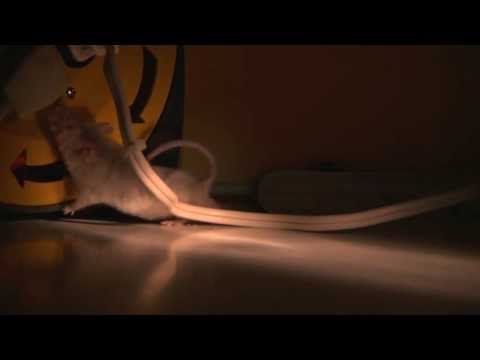
Rats spread disease mainly through their droppings, urine, bites, and the parasites they bring along. You might not see them right away, but if you look for droppings or gnaw marks, you’ll spot trouble early.
Transmission Methods: Droppings, Urine, and Bites
Rat droppings and urine carry bacteria and viruses that can make you sick. When waste dries out, tiny bits can float in the air, and you might breathe them in.
Touching contaminated food or surfaces and then touching your face is another way to get sick.
Rat bites and scratches pass diseases like rat-bite fever. Avoid direct contact with rats and clean up droppings or urine with care.
Keep food sealed and clean up spills fast to stop rats from contaminating your meals.
Parasites and Indirect Disease Spread
Rats often bring parasites like fleas, ticks, and mites. These little pests can bite you and spread diseases, even if you never touch a rat.
Flea bites can cause plague or typhus, and ticks might lead to Lyme disease.
Parasites live on rats but jump to people and pets. If you have a rat problem, check your home and pets for fleas or ticks often.
Blocking rats from getting inside also keeps these parasites away from your family.
Recognizing Rat Infestation in Your Home
You might not spot rats themselves, but the signs are hard to miss. Rat droppings are small, dark, and pointed at one end.
You’ll usually find them tucked away in drawers, cabinets, or under sinks.
Gnaw marks are another giveaway. Rats chew on wood, plastic, and wires to keep their teeth short and make paths.
Look along baseboards and near vents for these marks.
Other hints? Greasy smudges on walls, scratching noises at night, and nests made from shredded paper or fabric.
Keep an eye out for these clues so you can deal with rat problems before they get out of hand.
Rat Control and Prevention Strategies
If you want to avoid the health risks that come with rats, you’ve got to stop them before they settle in. Start by getting rid of food and water sources—seal up your food in tight containers and fix any leaks you find.
Don’t leave pet food out overnight. It’s an easy invitation.
Check your home for holes and gaps, and seal them up to block any entry points. Even the tiniest opening could let a rat squeeze through, which is honestly kind of impressive and gross at the same time.
Grab some steel wool or metal mesh for patching since rats will chew right through softer stuff. No point in making it easy for them.
Set traps where you spot droppings or gnaw marks. That’s usually a sign they’re hanging around.
If it starts to feel like too much to handle, don’t hesitate to call a professional. Sometimes you just need backup.
When you clean up droppings, always use gloves and some disinfectant. You definitely don’t want to take any chances with disease.


