
If you’re dealing with rats and wondering if leaving the lights on will keep them away, let’s get into what actually works. Leaving lights on isn’t really a reliable way to keep rats out of your home. These little guys adapt to both light and dark pretty easily. Rats are clever and will find shelter wherever they feel safe, regardless of how bright it is.
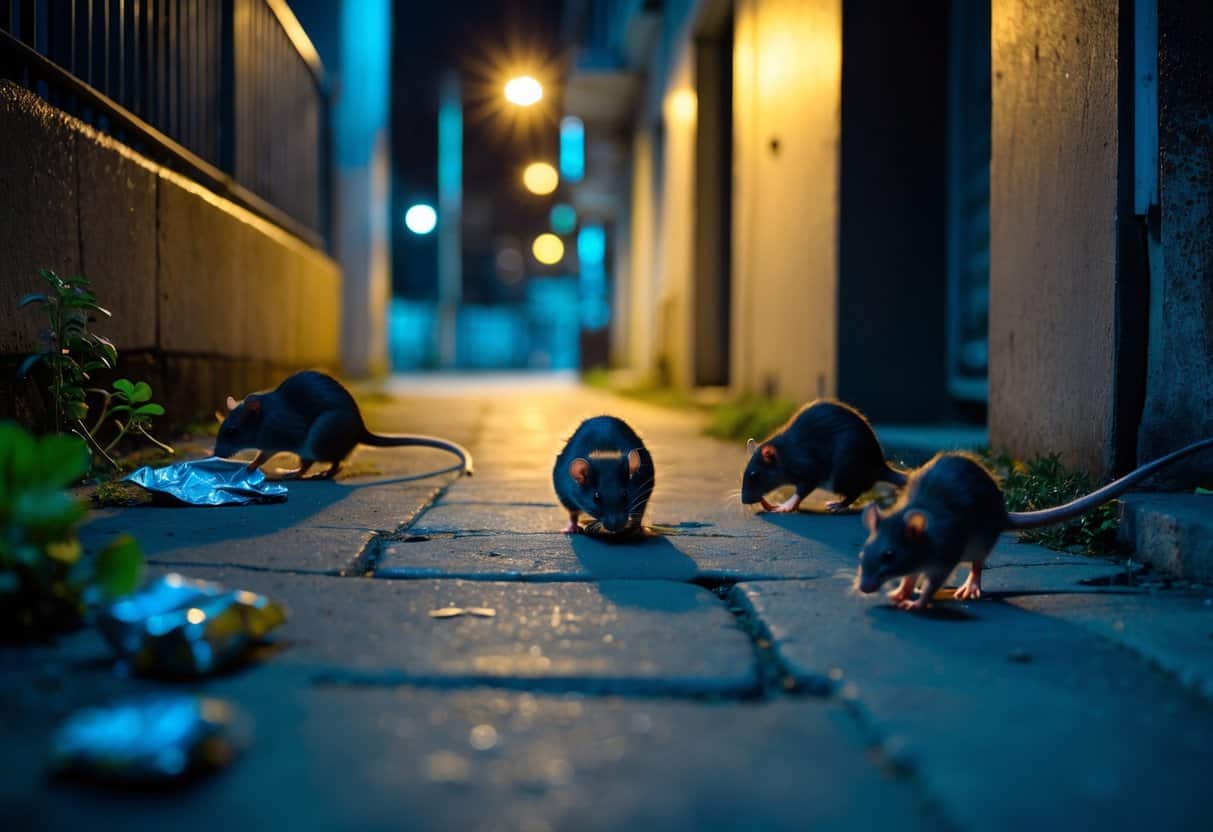
You might hope bright lights will scare them off, but rats usually just shift to darker corners nearby. You’ll need more than a lamp or two to protect your space.
Understanding how rats behave gives you a better shot at keeping them away for good.
Let’s look at what light can and can’t do, and then I’ll share some practical tips that actually make a difference.
Does Leaving Lights On Deter Rats and Other Rodents?
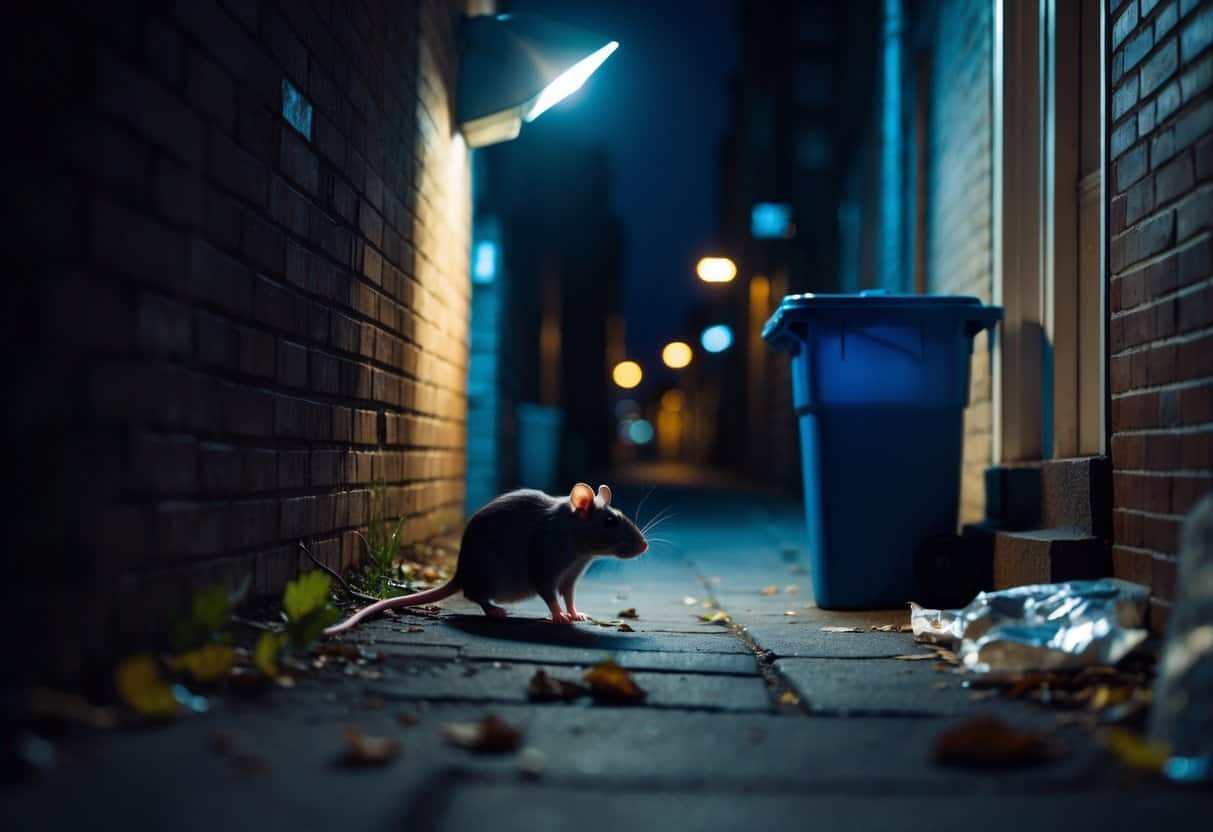
Rats and mice usually get active at night. The way they react to light changes how they move around your home.
Whether leaving the lights on will stop them depends on how they respond to light, and what science has to say about their habits.
Nocturnal Habits of Rats and Mice
Rats and mice are nocturnal, so they come out after dark. They mostly use their sense of smell and hearing to find food or dodge danger.
Darkness helps them stay hidden from predators.
They like dark places—think basements, attics, or inside your walls. They’ll avoid bright spots since light can give them away.
But if they’re hungry or think it’s safe, they’ll still come out, even with the lights on.
Rats’ Reactions to Light in Homes
Rats don’t love light because it makes them visible to predators. Still, steady light won’t keep them away for long.
If they find food or a good hiding spot, they’ll get used to the light and keep coming back.
Flashing or strobe lights can throw them off at first, since they don’t expect sudden changes. Motion sensor lights might startle them, but rats usually figure out these lights aren’t dangerous and start ignoring them.
Scientific Evidence on Light and Rodent Behavior
Researchers found that rats can see blue and green light, but their eyesight isn’t great overall. Bright light irritates their eyes and can stress them out, especially blue light.
But normal house lighting doesn’t really bother them or keep them away.
Long-term exposure to certain LED lights can damage their eyes, but that doesn’t mean they’ll stop coming into your house. Light might bother them for a bit, but if there’s food and shelter, they adapt fast.
If you want to keep rodents out, focus on cleaning up food sources and blocking entry points. Relying on light alone just doesn’t cut it.
If you want to dig deeper, check out more about how light affects rats on Reject Rats.
Better Ways to Keep Rats and Rodents Out of Your Home
You can do a lot more to keep rats and other rodents—like squirrels—out of your home. Tackle their food sources, seal up entry points, and use smart pest control.
These steps work way better than just leaving the lights on.
Food Sources and Home Attractants
Rats love easy meals. Leaving food out, uncovered trash, or pet food bowls outside? That’s basically an invitation.
Store food in sealed containers and take out the garbage regularly. Keep compost bins away from your house or use rodent-proof lids.
Clean up fallen fruit or nuts from trees near your home. Rats and squirrels can climb trees and jump onto your roof if branches hang close.
Trim trees and bushes so they don’t touch your house. This makes it harder for rodents to get in.
Best Practices for Rodent-Proofing
Check around your home for gaps or cracks. Rats can squeeze through holes as small as a quarter, which is kind of wild.
Block those holes with steel wool or hardware cloth, especially near pipes, vents, and foundation cracks. Make sure doors and windows close tightly.
Keep your yard free of clutter. Piles of wood, debris, and thick bushes give rats and squirrels perfect hiding spots.
Move these things away from your house or get rid of them.
Motion sensor lights might startle some rodents at first, but honestly, they don’t work well for long. Focus on physical barriers and keeping your home sealed up tight.
Effective Pest Control and Wildlife Removal Methods
Got a rodent problem? Try setting traps with peanut butter or cooked meat. Place them along the walls, especially where you’ve spotted droppings or gnaw marks.
Ultrasonic pest control devices send out high-frequency sounds that really annoy rodents. Honestly, these gadgets might take a while to show results, so it’s smart to use them with traps and by sealing up any entry points.
If squirrels or rats have moved into your walls or attic, you’ll probably want to call a professional pest control or wildlife removal service. They know how to safely get the animals out and can offer tips to keep them from coming back.
Some wildlife removal folks even fix up your home afterward, closing up any holes or gaps left behind.
Check out more info on natural rat repellents and rodent-proofing your home.


